


Breast Augmentation in Jeddah: Managing Post-Operative Swelling, Bruising, and Discomfort
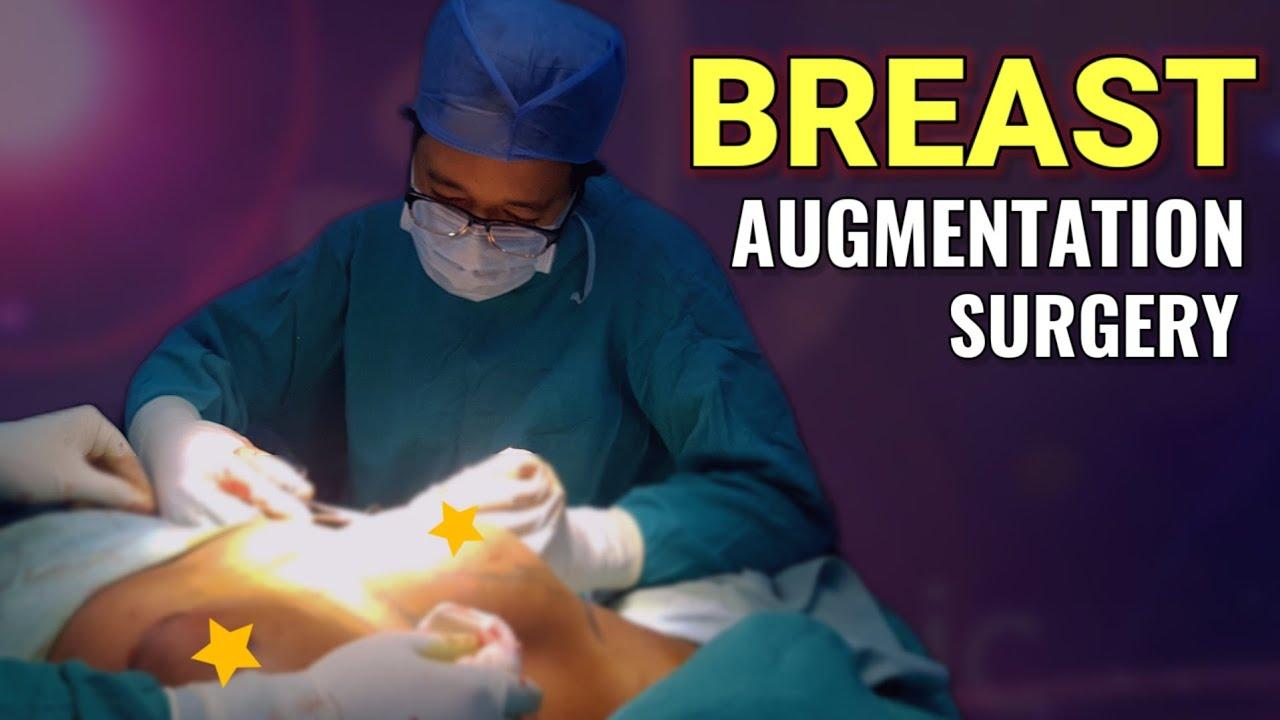
Breast Augmentation in Jeddah: Managing Post-Operative Swelling, Bruising, and Discomfort
breast augmentation in Jeddah is a precise surgical procedure, and managing the body's natural healing response during the recovery period is essential for achieving optimal aesthetic results. As tissues adapt to new implants and surgical incisions begin to heal, patients commonly experience varying degrees of swelling, bruising, and localized soreness. Understanding how to manage these post-operative symptoms effectively helps ensure a comfortable recovery and supports the smooth settling of the newly contoured breasts.
Understanding the Body's Healing Response
Following surgery, inflammation is a normal and necessary biological process. The body sends increased blood flow and fluid to the surgical site to initiate tissue repair, which manifests visibly as swelling and firmness.
-
Timeline of Swelling: Swelling typically peaks within the first 48 to 72 hours following surgery. While the most acute swelling subsides significantly over the first two to three weeks, subtle residual swelling can take several months to resolve entirely as internal tissues fully adapt.
-
Asymmetrical Healing: It is completely normal for swelling to resolve at different rates on the left and right sides of the chest, occasionally making the breasts appear temporarily uneven during the early recovery weeks. Patience during this transitional phase is vital.
-
Bruising Patterns: Mild to moderate bruising around the breasts, cleavage, and lower chest is common. This discoloration naturally shifts from purple or blue to green and yellow before fading completely within two to three weeks.
Effective Strategies for Managing Swelling
Minimizing swelling requires a combination of supportive garments, proper positioning, and adherence to post-operative care protocols prescribed by your plastic surgeon in Jeddah.
-
Continuous Garment Wear: Wearing your prescribed surgical compression bra or band 24 hours a day is one of the most effective ways to control fluid accumulation, support stabilizing tissues, and contour the healing chest.
-
Elevated Resting Position: Keeping your upper body elevated at a 30-to-45-degree angle—using a wedge pillow or multiple supporting cushions—harnesses gravity to reduce fluid buildup in the chest area, especially during sleep.
-
Hydration and Sodium Management: Drinking plenty of water helps flush out retained fluids, while reducing dietary sodium intake minimizes unnecessary water retention and tissue puffiness.
Managing Discomfort and Soreness
A degree of tightness, muscle soreness, and mild discomfort is expected as the chest wall and overlying skin stretch to accommodate the new implants.
-
Prescribed Medication Protocols: Your surgical team will provide a tailored medication schedule, including pain relievers and anti-inflammatory drugs, to keep you comfortable during the first week. Take medications strictly as directed rather than waiting for discomfort to peak.
-
Avoiding Ice Directly on Implants: Unlike standard injuries, applying ice packs directly to breast implants is generally discouraged unless specifically approved by your surgeon, as extreme cold can impact skin sensation and implant materials. Always follow your clinic's exact icing guidelines if recommended.
-
Gentle Mobility: While heavy exertion must be strictly avoided, taking slow, gentle walks around your home encourages healthy blood circulation, prevents stiffness, and aids overall physical recovery.
When to Contact Your Surgeon
While normal post-operative symptoms improve progressively day by day, knowing when to reach out to your medical team in Jeddah ensures your safety and peace of mind.
-
Red Flag Symptoms: Contact your clinic immediately if you experience sudden, severe, or rapidly worsening pain, high fever, chills, excessive warmth or redness around an incision, or sudden, severe asymmetry with hard swelling in one breast.
-
Routine Follow-Ups: Attending all scheduled post-operative appointments allows your plastic surgeon to monitor your healing progress, evaluate tissue softening, and confirm that swelling is resolving on schedule.
Conclusion
Managing post-operative symptoms after breast augmentation in Jeddah requires patience, discipline, and close adherence to your surgical team's guidance. By understanding what to expect and following proper recovery protocols, you can navigate the healing process smoothly and enjoy the beautiful, long-lasting results of your procedure.

 English
 French
 Spanish
 Portuguese
 Deutsch
 Turkish
 Dutch
Dutch
 Italiano
 Russian
 Romaian
 Portuguese (Brazil)
 Greek
Greek
 Bengali