


The Role of BIM Coordination Services in Clash Detection and Risk Reduction
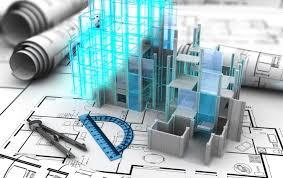
In the UAE’s fast-paced construction industry, projects are growing larger, more complex, and more time-sensitive than ever before. From high-rise residential towers in Dubai to large-scale commercial and infrastructure developments across Abu Dhabi and the Northern Emirates, coordination challenges are now one of the biggest risks to project success. This is where BIM Coordination Services play a critical role, particularly in clash detection and overall risk reduction.
Building Information Modeling (BIM) has transformed how construction projects are planned, designed, and executed. However, BIM delivers its true value only when coordination is done properly across architectural, structural, and MEP disciplines. BIM coordination ensures that all building systems align digitally before construction begins, significantly reducing costly site-level issues.
Understanding BIM Coordination in Construction Projects
BIM coordination is the structured process of integrating multiple discipline models into a single coordinated digital environment. Architectural, structural, electrical, mechanical, plumbing, and fire protection models are reviewed together to identify design conflicts, spatial clashes, and constructability issues.
In the UAE, where projects often involve multiple consultants, international contractors, and strict regulatory requirements, coordination becomes even more critical. BIM coordination services provide a centralized platform where all stakeholders can collaborate, review models, and resolve issues early.
Instead of discovering problems during construction—when changes are expensive and disruptive—coordination allows teams to address conflicts at the design stage, saving time, cost, and resources.
What Is Clash Detection and Why It Matters
Clash detection is one of the most valuable components of BIM coordination services. It involves the automated and manual identification of conflicts between different building elements within a BIM model.
Clashes generally fall into three main categories:
Hard clashes occur when two physical elements occupy the same space, such as a duct passing through a beam or a pipe intersecting a column.
Soft clashes relate to clearance and access issues, for example, insufficient space for maintenance access around equipment.
Workflow clashes involve sequencing or construction logic problems, such as installation order conflicts.
In traditional design workflows, these issues often go unnoticed until construction is underway. In the UAE, where site delays can result in heavy penalties and contractual disputes, early clash detection is not just beneficial—it is essential.
How BIM Coordination Services Enable Effective Clash Detection
BIM coordination services use advanced tools such as Navisworks and Revit to combine discipline models and run systematic clash detection processes. These tools allow teams to visualize conflicts in 3D, assign responsibilities, and track resolution status.
The coordination process typically includes regular coordination meetings, clash reports, and issue tracking workflows. Each detected clash is reviewed, prioritized, and resolved collaboratively by the relevant design teams.
For UAE projects, this structured approach ensures compliance with local authority standards, including requirements from municipalities, developers, and free zone authorities. It also supports smoother approvals and fewer revisions during authority submissions.
Reducing Design and Construction Risks Through BIM Coordination
Risk reduction is one of the strongest arguments for adopting BIM coordination services. Construction risks in the UAE often stem from design inconsistencies, last-minute changes, and poor communication between stakeholders.
By identifying clashes early, BIM coordination reduces the risk of rework, material wastage, and schedule overruns. When design conflicts are resolved digitally, the likelihood of site errors drops significantly.
Financial risk is also minimized. Change orders caused by design errors are a major source of cost escalation. BIM coordination helps control budgets by ensuring that quantities, layouts, and systems are aligned before procurement and construction.
Safety risks are another important factor. Poor coordination can lead to unsafe site conditions, rushed installations, and compromised building systems. Coordinated BIM models support safer construction planning and execution.
Improving Multidisciplinary Collaboration in UAE Projects
UAE construction projects often involve multinational teams working across different time zones and standards. BIM coordination services act as a common technical language that aligns architects, engineers, contractors, and consultants.
Through shared models and structured coordination workflows, teams can communicate design intent clearly and resolve issues objectively. This reduces misunderstandings and improves accountability.
ENGISOFT ENGINEERING, for example, supports this collaborative approach by focusing on clear communication, accurate coordination models, and practical solutions tailored to UAE construction practices. Their coordination workflows are designed to align all disciplines while considering local regulations and site conditions.
Supporting Authority Approvals and Compliance
Regulatory compliance is a critical aspect of construction in the UAE. Authorities increasingly expect coordinated and clash-free BIM submissions, especially for large or complex developments.
BIM coordination services help ensure that models meet submission requirements, reducing the likelihood of authority comments related to design conflicts. This results in faster approvals and smoother project progression.
Well-coordinated models also make it easier to demonstrate compliance with fire safety, accessibility, and building code requirements, which are particularly stringent in the UAE market.
Minimizing Construction Delays and Schedule Risks
Time is one of the most valuable resources in UAE construction projects. Delays can lead to contractual penalties, reputational damage, and financial losses.
By resolving clashes during design, BIM coordination services help maintain realistic and achievable construction schedules. Contractors can plan installations with confidence, knowing that systems have been reviewed and coordinated.
Sequencing conflicts are also reduced, allowing trades to work more efficiently on site. This is especially important in high-density urban projects where space constraints demand precise planning.
Enhancing Long-Term Asset Performance
The benefits of BIM coordination extend beyond construction completion. Coordinated BIM models serve as reliable references for facility management, maintenance planning, and future renovations.
Accurate as-built models reduce operational risks by providing clear information about system locations and access requirements. For building owners in the UAE, this supports better asset management and long-term cost control.
When coordination is done properly, the BIM model becomes a valuable digital asset rather than just a design tool.
Why BIM Coordination Is No Longer Optional in the UAE
As the UAE construction industry continues to evolve, BIM coordination services are becoming a standard requirement rather than an optional service. Developers and contractors increasingly recognize that early investment in coordination leads to significant savings and risk reduction later.
Projects without proper BIM coordination face higher chances of delays, disputes, and quality issues. In contrast, coordinated projects benefit from smoother execution, improved collaboration, and better overall outcomes.
ENGISOFT ENGINEERING aligns its BIM coordination services with these industry demands, focusing on proactive clash detection, risk mitigation, and efficient coordination processes that support successful project delivery across the UAE.
Conclusion
BIM coordination services play a vital role in clash detection and risk reduction, particularly in the complex and competitive construction environment of the UAE. By identifying conflicts early, improving collaboration, and supporting regulatory compliance, coordination services help projects stay on time, on budget, and aligned with quality standards.
From reducing costly rework to enhancing long-term asset performance, the value of BIM coordination extends across the entire project lifecycle. As UAE projects continue to grow in scale and complexity, effective BIM coordination is no longer just a technical advantage—it is a strategic necessity.

 English
 Arabic
 French
 Spanish
 Portuguese
 Deutsch
 Dutch
Dutch
 Italiano
 Russian
 Romaian
 Portuguese (Brazil)
 Greek
Greek
 Bengali