


Hog Farm Water Disinfection Alberta Producers Shouldn't Skip
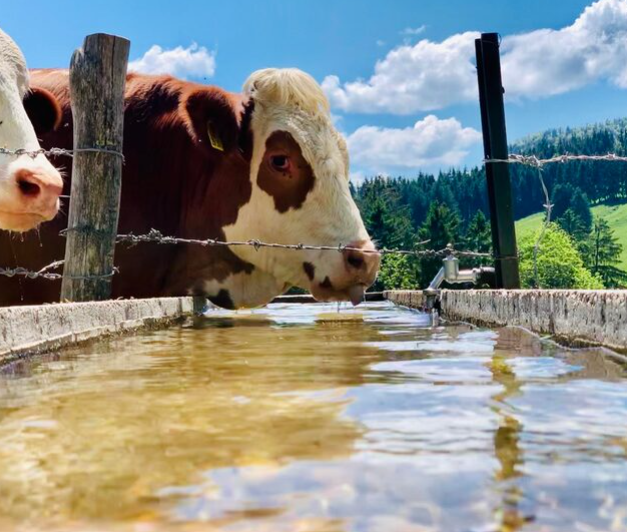
In hog operations, water is one of the fastest ways disease can spread through a barn — and one of the easiest things to overlook when everything else seems to be running fine. Pigs drink frequently throughout the day, and any bacteria, biofilm, or organic contamination in the water system has a direct path to the entire herd. That's why hog farm water disinfection Alberta producers rely on is treated as a core part of biosecurity, not an afterthought.
Why Hog Barns Are Especially Vulnerable
Hog operations run on tight, enclosed environments where disease can spread quickly once it takes hold. Water lines are a common, often underestimated vector. Biofilm — a bacterial layer that builds up inside drinking lines over time — can harbor pathogens that survive even when the source water itself tests clean. This is particularly risky in nursery and farrowing areas, where young pigs have less developed immune systems and are far more vulnerable to illness.
Beyond disease risk, contaminated or poor-tasting water reduces intake, which directly affects growth rates and feed conversion — two of the most closely watched metrics in any hog operation.
What Poor Water Quality Actually Costs
The downstream effects of untreated water in a hog barn tend to show up as:
- Reduced water and feed intake across the herd
- Slower average daily gain
- Increased disease pressure, especially in young pigs
- Reduced effectiveness of medications delivered through water lines
- Higher mortality risk during disease outbreaks
Because hog production runs on fairly tight margins per head, even a modest dip in growth rate or an increase in mortality can have a real financial impact across a barn.
Building a Disinfection Routine That Actually Works
Effective hog farm water disinfection Alberta operations use typically combines treating incoming source water with regular disinfection of the internal drinking line system to prevent biofilm buildup. Oxidation-based disinfection is widely used in this context because it addresses bacteria, organic contamination, and biofilm without leaving behind chemical residues that could affect palatability or medication delivery.
Timing matters too — disinfecting lines between groups, especially in farrowing and nursery rooms, helps prevent disease carryover from one group of pigs to the next. Skipping this step is one of the more common (and preventable) gaps in barn biosecurity.
Treating Water as Part of Biosecurity, Not Separate From It
Many hog operations invest heavily in biosecurity protocols for people, vehicles, and feed, but water sometimes gets treated as a lower priority simply because it's less visible. In reality, a solid water disinfection routine is one of the most cost-effective biosecurity measures available.
For Alberta hog producers looking to strengthen their water disinfection routine, Puroxi alberta has more information on solutions built for barn-scale water systems.

 English
 Arabic
 French
 Spanish
 Portuguese
 Deutsch
 Turkish
 Dutch
Dutch
 Italiano
 Russian
 Romaian
 Greek
Greek
 Bengali