


D Pharma Colleges in Lucknow – A Practical Guide for Pharmacy Aspirants in UP
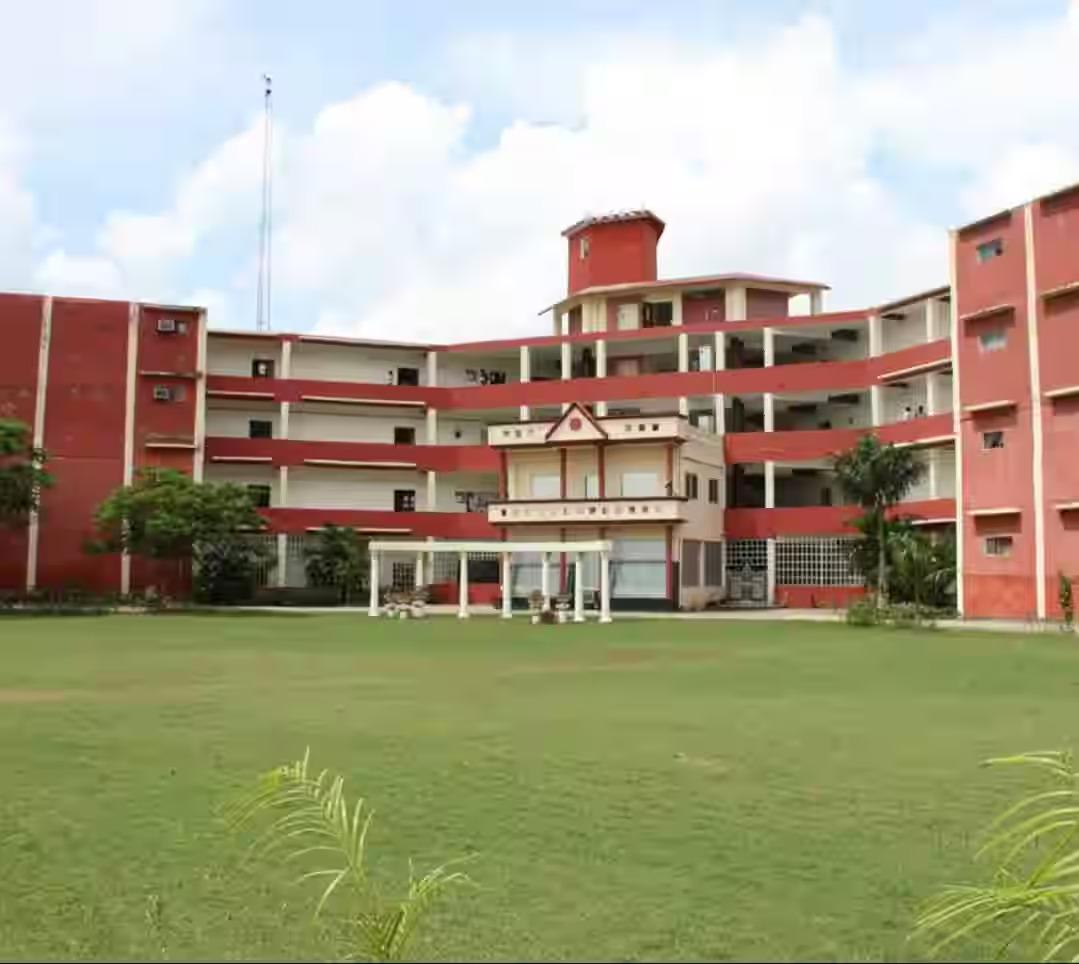
D Pharma Colleges in Lucknow – What Aspirants Need to Know Before Applying
Pharmacy is one of India's most accessible professional career paths — accessible in the sense that it doesn't require the decade-long investment that medicine demands, and accessible in the sense that it opens doors across multiple employment sectors. The Diploma in Pharmacy, commonly known as D Pharma, is the entry-level qualification that starts this journey — a two-year program that produces graduates qualified to work in retail pharmacies, hospital dispensaries, pharmaceutical manufacturing, and community health settings.
For students in Uttar Pradesh who want to enter the pharmacy profession quickly and begin building a career without committing to a four or six-year degree program first, D Pharma is the most direct route. Choosing the right college in Lucknow to complete that diploma is the decision that determines how well that route works.
What D Pharma Covers and What It Prepares You For
The D Pharma curriculum, regulated by the Pharmacy Council of India, covers pharmaceutical chemistry, pharmacognosy, pharmacology, pharmaceutical jurisprudence, and hospital and community pharmacy practice across two years. The program includes a practical laboratory component that runs alongside the theory coursework and a hospital training attachment that provides exposure to real pharmacy practice environments.
D Pharma graduates in India must register with the State Pharmacy Council after completing the program to practise professionally. Registration is the mandatory step that allows graduates to work as registered pharmacists — the professional designation required for most pharmacy employment.
The qualification supports several immediate employment pathways. Retail pharmacy — working in medical shops and pharmacy chains — is the most visible and widely available option. Hospital pharmacy practice, managing dispensing operations and patient medication in clinical settings, is a more specialised option that D Pharma graduates pursue with additional experience. Pharmaceutical manufacturing and quality control positions in drug manufacturing facilities represent another employment stream, particularly in UP's growing pharmaceutical sector.
Why D Pharma Is a Strategically Smart Choice for Many Students
D Pharma's two-year duration is its most obvious practical advantage. A student completing 12th standard can complete D Pharma and be registered and working as a pharmacist in two years — a timeline that compares very favourably with B Pharma's four years or Pharm D's six years for students who need to begin earning sooner or who want to assess the profession before committing to a longer program.
D Pharma also serves as a foundation for further study. Graduates who complete D Pharma and subsequently decide to pursue B Pharma can apply for lateral entry into the second year of the B Pharma program, effectively using the diploma as an accelerated entry into the degree — a pathway that's both time-efficient and financially sensible.
For students from families with pharmacy backgrounds or from communities where retail pharmacy is an established livelihood, D Pharma provides the formal qualification that legitimises and professionalises a practice that may have been running informally.
What Separates a Good D Pharma Program From an Average One
The two-year D Pharma program doesn't leave much room for variation in curriculum content — PCI regulation keeps the syllabus relatively standardised across approved institutions. What varies significantly between institutions is the quality of laboratory training, the seriousness of the hospital attachment component, and the practical examination preparation that faculty provides.
Laboratory quality matters in D Pharma because pharmaceutical chemistry, dispensing practice, and pharmacognosy all have significant hands-on components that can't be adequately taught without proper equipment. An institution running D Pharma in facilities that meet the minimum PCI standard but invest nothing beyond it produces graduates who know the theory but lack practical confidence.
The hospital training attachment, typically completed toward the end of the second year, is where students experience real pharmacy practice before graduating. Institutions that arrange these placements in functional hospital pharmacies — where students observe and participate in actual dispensing, counselling, and inventory management — produce significantly more job-ready graduates than those that treat the attachment as a formality.
Why Lucknow Offers Specific Advantages for D Pharma Students
Lucknow's healthcare infrastructure — government medical college hospitals, large private hospitals, and a well-developed pharmaceutical retail sector — provides a practical training environment for D Pharma students that smaller cities in UP cannot match. Hospital attachment placements from Lucknow-based colleges have access to institutions with genuine clinical activity, which changes the quality of the hospital training experience considerably.
The city's pharmaceutical retail market is also well-developed, meaning D Pharma graduates from Lucknow are entering a job market with established demand for registered pharmacists — both in retail pharmacy chains expanding across the city and in the healthcare institutions that continue to grow as Lucknow's position as a regional medical hub strengthens.
Dr. M.C. Saxena College of Pharmacy in Lucknow
Students researching D Pharma colleges in Lucknow will find Dr. M.C. Saxena College of Pharmacy, part of the MCSGOC group, among the institutions that take the practical training components of the program seriously — with laboratory facilities beyond minimum compliance standards and hospital attachment arrangements in functional healthcare settings.
The institution's broader presence across multiple professional programs in Lucknow reflects a consistent approach to professional education that measures success by graduate outcomes rather than enrollment numbers.
Making the Right D Pharma College Decision
The D Pharma decision deserves careful research despite the program's relatively short duration. Two years spent in a program that doesn't adequately prepare graduates for PCI registration examinations or for real pharmacy practice creates problems that take time and effort to correct after graduation. Two years in a well-structured program produces a pharmacist who is genuinely ready to practise — and that difference shows up immediately in the first job.
Ask specific questions before enrolling: What is the first-attempt pass rate for the D Pharma PCI examination? What hospital is used for the training attachment, and what does the placement arrangement look like? What laboratory equipment is available for practical sessions? The answers to these questions reveal the college's actual commitment to producing competent pharmacists far more than any promotional claim.

 Arabic
 French
 Spanish
 Portuguese
 Deutsch
 Turkish
 Dutch
Dutch
 Italiano
 Russian
 Romaian
 Portuguese (Brazil)
 Greek
Greek
 Bengali