


Difference Between Smart Homes and Traditional Homes
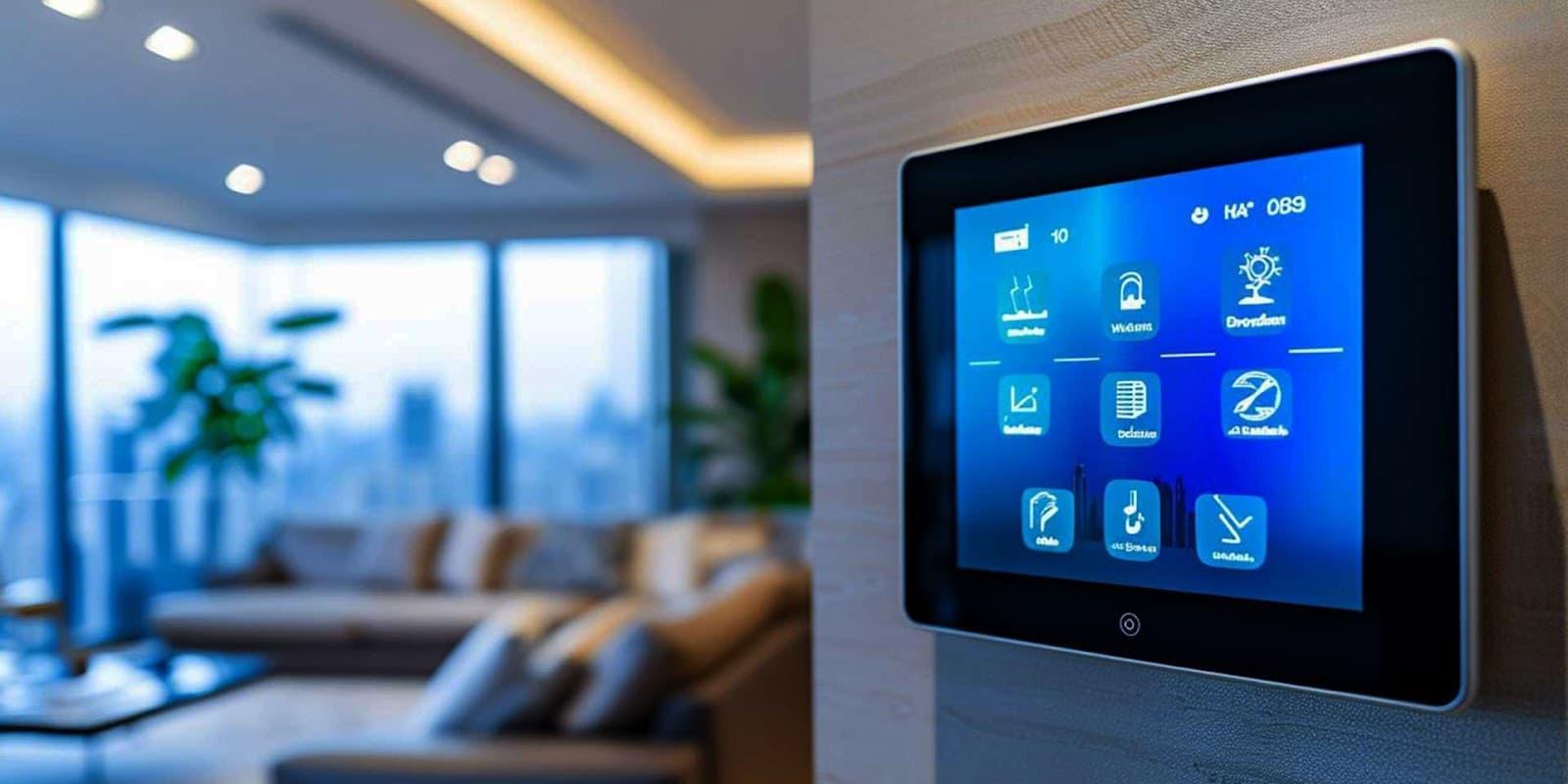
Homes have changed significantly over the years as technology has become a part of everyday life. Traditional homes rely on manual control for lighting, heating, cooling, security, and entertainment systems. Smart homes, on the other hand, connect these features through advanced technology that allows homeowners to control them from one central platform. This modern approach creates greater convenience while improving comfort, efficiency, and security. Understanding these differences helps homeowners decide whether upgrading to home automation is the right choice for their lifestyle.
Control and Convenience
One of the biggest differences between a traditional home and a smart home is how everyday systems are managed. In a traditional home, lights, locks, thermostats, and appliances must all be operated individually. A smart home combines these controls into one simple interface that can be accessed through a mobile device or voice assistant. Homeowners can manage several functions at once, even while they are away from home. This level of convenience reduces repetitive tasks and helps daily routines run more smoothly.
Home Security Features
Traditional homes often depend on basic locks and standard alarm systems for protection. While these methods still provide security, they usually require homeowners to be physically present to monitor their property. Smart homes introduce connected cameras, motion detectors, video doorbells, and smart locks that provide instant notifications whenever unusual activity is detected. Remote monitoring allows homeowners to check live video feeds, lock doors, or communicate with visitors from almost anywhere, providing greater confidence and peace of mind.
Energy Efficiency Comparison
Energy management is another area where smart homes offer significant advantages. Traditional homes rely on homeowners to remember to switch off lights or adjust thermostats when leaving the house. Smart systems automatically control lighting and temperature based on schedules or occupancy, helping reduce unnecessary energy use. Some platforms even generate reports showing energy consumption patterns, allowing homeowners to make informed decisions that lower utility costs. These automated features support both financial savings and environmental responsibility.
Personalized Living Experience
Traditional homes offer comfort, but adjustments usually require manual effort throughout the day. Smart homes allow homeowners to create personalized settings that automatically respond to different routines. Morning schedules can gradually increase lighting and adjust indoor temperatures, while evening routines can prepare the home for relaxation. Entertainment systems, lighting, and climate control can all work together with a single command. This personalized experience creates a more comfortable environment while reducing the need for constant manual adjustments.
Flexibility and Future Growth
Traditional household systems are often independent, making future upgrades more complicated. Smart homes are designed with flexibility in mind, allowing additional devices to be integrated as technology continues to evolve. Homeowners can begin with a few connected products and gradually expand the system over time without replacing everything. This scalable design protects the original investment while allowing the home to remain compatible with future innovations. A flexible automation system offers long-term value as household needs continue to change.
Why Professional Installation Makes a Difference
Although some connected devices are available for simple installation, building a complete automation system requires careful planning and technical expertise. Professionals understand network reliability, equipment compatibility, and proper system configuration. They ensure every connected device communicates efficiently while preparing the system for future expansion. Homeowners investing in Smart Home Automation System in Paradise Valley AZ receive customized solutions that match their home's design, daily routines, and future goals. Professional installation also minimizes setup problems and improves long-term system performance.
Choosing the Right Home for Modern Living
Both traditional and smart homes have their advantages, but automation offers greater convenience, security, and efficiency for today's homeowners. As technology becomes increasingly integrated into everyday life, many families are choosing connected systems that simplify household management and improve overall comfort. Working with experienced providers of Smart Home Services helps homeowners select reliable technology that fits their lifestyle while allowing room for future upgrades. A professionally designed smart home creates a modern living environment that saves time, improves energy efficiency, strengthens security, and continues providing value for many years.

 English
 Arabic
 French
 Spanish
 Portuguese
 Deutsch
 Turkish
 Dutch
Dutch
 Italiano
 Russian
 Portuguese (Brazil)
 Greek
Greek
 Bengali