


10 Features to Look for When Buying an Apron
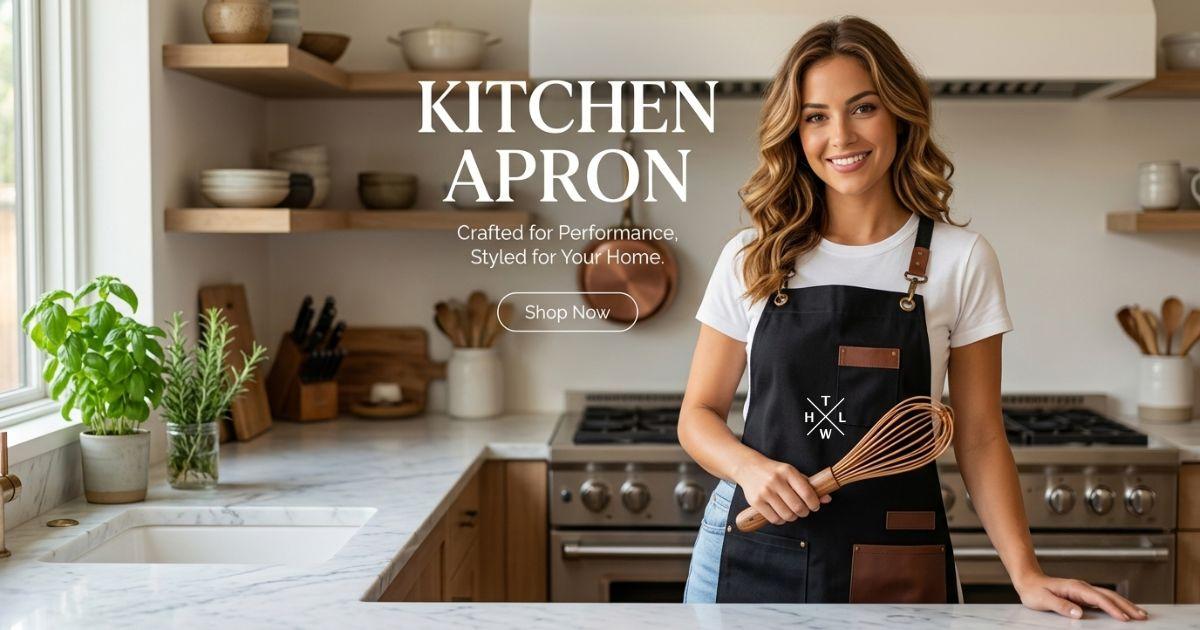
An apron is much more than a simple layer of fabric. It protects your clothes, keeps your tools within reach, and helps you work comfortably throughout the day. Whether you're preparing dinner at home, baking cakes, grilling outdoors, or working in a professional kitchen, choosing the right apron can make a noticeable difference.
With so many options available—from a kitchen apron for daily cooking to a durable chef apron for restaurant use—it can be difficult to know which one is worth buying. Instead of choosing based only on appearance, it's better to look at the features that improve comfort, durability, and functionality.
Here are the ten most important features to consider before purchasing your next apron.
Why Choosing the Right Apron Matters
An apron protects more than your clothing. It helps reduce stains, shields you from splashes, and makes everyday tasks more convenient. A well-designed apron also improves comfort, allowing you to move freely while keeping your essentials close at hand.
Whether you need a gents apron for grilling or a heavy-duty work apron for professional use, selecting the right one ensures better performance and longer-lasting value.
Understand Your Purpose Before Buying
Before comparing styles and materials, ask yourself one simple question: What will you use the apron for?
Home Cooking
If you cook regularly at home, a lightweight kitchen apron made from cotton or canvas is usually enough. It offers comfort while protecting against food spills.
Professional Kitchen
A chef apron should be durable, breathable, and capable of handling long working hours. Adjustable straps and multiple pockets become especially useful in busy kitchens.
Workshop or Craft Use
Leather or heavy canvas aprons are excellent choices for woodworking, pottery, grilling, or DIY projects because they provide stronger protection.
1. Material Quality
Material is one of the biggest factors affecting comfort and durability.
Common apron materials include:
-
Cotton
-
Canvas
-
Denim
-
Leather
-
Polyester blends
Cotton feels soft and breathable, while canvas offers extra durability. Leather provides excellent protection against heat and sharp tools, making it ideal for heavy-duty work.
Which Material Suits Your Needs?
Choose lightweight fabrics for everyday cooking and stronger materials if your work involves heat, sparks, or rough equipment.
2. Comfortable Fit and Adjustable Straps
Even the highest-quality apron becomes uncomfortable if it doesn't fit properly.
Look for features like:
-
Adjustable neck straps
-
Cross-back straps
-
Waist ties
-
Flexible sizing
A properly fitted apron reduces pressure on your neck and shoulders, especially if you wear it for several hours.
Comfort should always come before appearance.
3. Full Coverage and Protection
The amount of protection an apron provides depends on its size.
A full body apron covers the chest, waist, and upper legs, protecting your clothes from spills, grease, flour, paint, and dust.
If you're working in commercial kitchens or workshops, full coverage offers greater peace of mind throughout the day.
Benefits of a Full Body Apron
-
Better stain protection
-
More coverage against splashes
-
Extra safety around hot surfaces
-
Suitable for cooking, grilling, baking, and crafting
4. Durable Stitching and Build Quality
Strong stitching is often overlooked, but it's one of the easiest ways to judge quality.
Look for:
-
Reinforced corners
-
Double stitching
-
Heavy-duty seams
-
Strong waist ties
High-quality stitching helps your apron last through frequent washing and everyday use without tearing.
Think of stitching as the foundation of the apron. Even premium fabric won't last if the seams are weak.
5. Pocket Design and Storage Options
Pockets make an apron much more practical.
Depending on your work, they can hold:
-
Kitchen towels
-
Pens
-
Thermometers
-
Recipe cards
-
Phones
-
Measuring spoons
-
Small tools
Professional chefs often prefer aprons with multiple compartments because they improve efficiency during busy shifts.
Choose pockets that are deep enough to securely hold items without becoming bulky.
6. Easy Cleaning and Maintenance
No matter how careful you are, every apron eventually gets dirty.
Before buying, check:
-
Washing instructions
-
Fabric durability
-
Colour retention
-
Shrink resistance
Cotton aprons are usually machine washable, while leather aprons often require wiping with a damp cloth and occasional conditioning.
An easy-to-maintain apron saves both time and effort.
7. Style and Professional Appearance
Your apron can also represent your personality or brand.
Modern aprons come in many colours and styles, from classic black to rustic canvas designs.
A clean, stylish masterchef apron gives a polished appearance in professional kitchens, cafés, bakeries, and restaurants.
Even at home, wearing a well-designed apron can make cooking feel more enjoyable.
8. Custom and Personalised Options
Many buyers now prefer custom aprons that match their personal or business identity.
Personalisation options may include:
-
Name embroidery
-
Company logos
-
Business branding
-
Custom colours
-
Special pocket layouts
A personalised apron also makes an excellent gift for chefs, bakers, grill enthusiasts, and home cooks.
Restaurants frequently choose custom aprons to create a consistent and professional team appearance.
9. Safety Features for Different Work Environments
Different jobs require different levels of protection.
Important safety features include:
-
Heat-resistant materials
-
Flame-resistant fabrics
-
Thick leather protection
-
Cross-back straps for weight distribution
-
Secure waist fastening
Professional chefs and workshop workers should always choose an apron designed specifically for their environment.
Safety should never be compromised simply for style.
10. Value for Money
The cheapest apron isn't always the best purchase.
Instead of focusing only on price, consider:
-
Material quality
-
Stitching
-
Comfort
-
Durability
-
Features
-
Warranty (if available)
A well-made apron may cost more initially but often lasts much longer, making it a better long-term investment.
Buying quality once is usually more economical than replacing inexpensive aprons repeatedly.
Common Mistakes to Avoid When Buying an Apron
Many buyers make simple mistakes that lead to disappointment.
Avoid these common errors:
-
Choosing style over comfort
-
Ignoring fabric quality
-
Buying the wrong size
-
Forgetting to check cleaning instructions
-
Selecting too few pockets
-
Overlooking adjustable straps
-
Ignoring the type of work you'll be doing
Taking a few extra minutes to compare features can help you avoid these issues.
Final Buying Checklist
Before making your purchase, ask yourself:
-
Is the material suitable for my work?
-
Does it provide enough coverage?
-
Are the straps adjustable?
-
Are the pockets practical?
-
Is it easy to clean?
-
Is the stitching durable?
-
Does it fit comfortably?
-
Can I personalise it if needed?
-
Will it last for years?
-
Does it offer good value for the price?
If you answer "yes" to most of these questions, you've probably found a reliable apron.
Conclusion
Choosing the right apron isn't just about looks—it's about comfort, protection, durability, and functionality. From selecting the right material to ensuring a proper fit, every feature plays a role in making your daily tasks easier and more enjoyable.
Whether you're searching for a practical kitchen apron, a professional chef apron, a durable gents apron, or a protective full body apron, focusing on these ten essential features will help you make a smarter purchase. If you also want a unique touch, consider a custom or personalised apron that reflects your style or brand. A quality apron is an investment that supports you every time you step into the kitchen, workshop, or studio.
Frequently Asked Questions
1. What is the best material for an apron?
Cotton is ideal for everyday cooking, canvas offers extra durability, and leather provides excellent protection for heavy-duty work such as grilling, woodworking, and welding.
2. Why should I choose a full body apron?
A full body apron offers better protection against spills, grease, heat, and stains by covering more of your clothing than shorter apron styles.
3. Are personalised aprons worth buying?
Yes. Personalised aprons are perfect for businesses, restaurants, gifts, and anyone who wants a unique design with names, logos, or custom embroidery.
4. How often should an apron be replaced?
Replace an apron when it develops torn seams, faded fabric, worn straps, or permanent stains that affect its appearance or performance.
5. What features are most important in a chef apron?
A chef apron should have durable fabric, reinforced stitching, adjustable straps, multiple storage pockets, comfortable fit, easy maintenance, and enough coverage for long hours in a professional kitchen.

 English
 Arabic
 French
 Spanish
 Portuguese
 Deutsch
 Dutch
Dutch
 Italiano
 Russian
 Romaian
 Portuguese (Brazil)
 Greek
Greek
 Bengali