


How Do Custom Shops Source Aluminum TIG Wire Affordably?
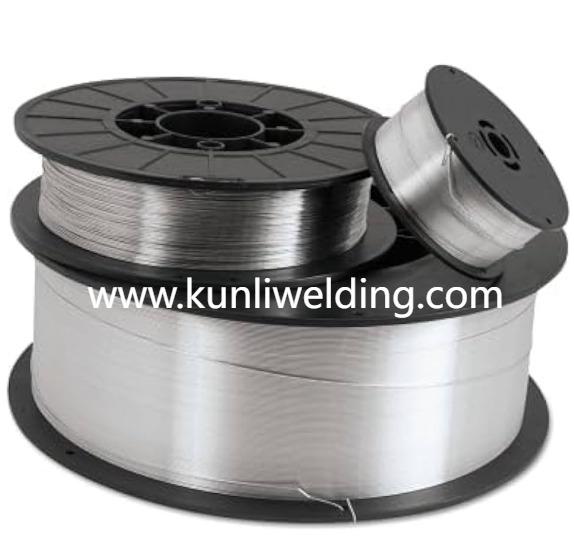
Prototype fabrication shops face unique challenges when sourcing welding consumables. Unlike production facilities that order materials by the pallet, these operations need flexibility and variety without committing to large quantities. Finding Aluminum TIG Wire Suppliers who accommodate smaller orders while maintaining product quality can make the difference between profitability and wasted resources in custom fabrication environments.
Custom projects often involve different aluminum alloys depending on client specifications and application requirements. A shop might weld aerospace components one week and architectural elements the next, each demanding specific filler materials. Maintaining inventory of multiple wire types in bulk quantities ties up capital and storage space, particularly problematic for smaller operations with limited resources. The ability to purchase appropriate filler wire in manageable amounts allows these shops to respond to diverse projects without excessive material investment.
Traditional distribution models favor volume buyers, creating obstacles for prototype operations. Minimum order quantities designed for production environments force small shops to purchase more material than needed for current projects. Excess inventory deteriorates over time, as aluminum wire surfaces oxidize when exposed to moisture and atmospheric conditions. Shops then face the choice between using compromised materials or discarding unused wire, both scenarios representing financial loss.
Wire diameter selection presents another consideration for prototype work. Different joint configurations and material thicknesses require varying wire sizes for proper heat input and fill characteristics. A shop working on thin sheet metal assemblies needs different diameter wire than one fabricating heavy structural components. Sourcing multiple diameters in small quantities from suppliers who understand prototype shop requirements provides operational flexibility without inventory burden.
Quality expectations remain high regardless of order size. Prototype components often undergo rigorous inspection and may serve as proof of concept for larger production runs. Substandard filler materials that introduce porosity, cracking, or weak fusion undermine the entire prototype development process. Shops need suppliers who apply the same manufacturing standards and quality control to small orders as they do to bulk shipments, ensuring consistent wire performance across all purchase quantities.
Packaging formats affect usability in prototype environments. Large spools designed for automated welding systems prove cumbersome for manual TIG operations typical in custom fabrication. Smaller spools or tube packaging offer better handling characteristics and reduced material exposure to contamination. Aluminum Tig Wire Suppliers who offer varied packaging options acknowledge the practical realities of prototype shop workflows.
Technical support becomes valuable when working with unfamiliar alloys or challenging joint designs. Prototype shops encounter diverse materials and configurations that may fall outside their regular experience. Access to knowledgeable staff who can recommend appropriate filler materials and welding approaches adds value beyond the physical product. This consultation helps shops avoid costly trial and error when developing procedures for new projects.
Shipping considerations impact total cost for small quantity purchases. Freight charges that represent a minor percentage of bulk orders can become significant when buying limited amounts. Suppliers with efficient distribution systems and reasonable shipping policies make small quantity sourcing economically viable. Regional availability also matters, as proximity reduces both shipping time and cost.
Payment terms and ordering processes affect operational efficiency. Prototype shops often work with tight project timelines and need rapid material access. Streamlined ordering systems, whether through online platforms or direct communication channels, facilitate quick turnaround. Flexible payment options accommodate the varied financial structures of small fabrication businesses.
The relationship between prototype shops and their material suppliers extends beyond simple transactions. Reliable sources who understand the unique requirements of custom fabrication provide essential support for these specialized operations. Aluminum Tig Wire Suppliers who offer appropriate packaging, reasonable minimum orders, and consistent quality enable prototype shops to maintain agility while delivering quality results across diverse projects.Resources for welding consumables suitable for prototype operations can be found at www.kunliwelding.com .

 English
 Arabic
 French
 Spanish
 Portuguese
 Deutsch
 Turkish
 Dutch
Dutch
 Italiano
 Russian
 Romaian
 Greek
Greek
 Bengali