• How to Improve Insulin Resistance?
    How to Improve Insulin Resistance?
    If you didn’t know it by now, here’s the truth about diabetes: it is not a disease but a symptom. And the root cause of diabetes is…(drum roll) insulin resistance.
    This basically refers to the body’s resistance to the insulin produced in its own pancreas. When this happens, the insulin in the body cannot perform its function of enabling glucose in the blood to enter the muscle cells and it thus collects in the bloodstream, leading to the most visible sign of diabetes: high blood sugar.
    Way to reduce Insulin resistance
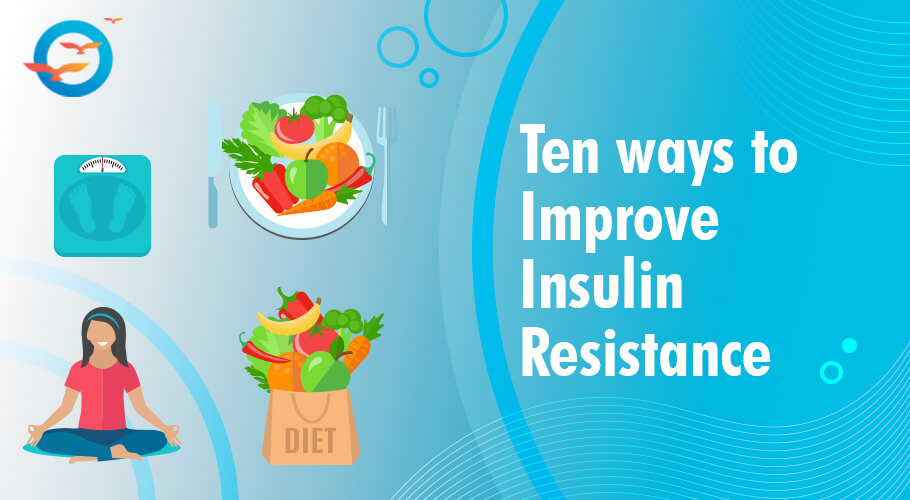
    1. Get rid of excess weight, especially belly fat
    Fat around the midsection, also known as visceral fat, is known to increase insulin resistance. Fat inside the muscle cells—aka intramyocellular lipid—blocks the functioning of insulin and keeps glucose outside the cells.
    Reducing excessive weight is a key factor in reversing this effect and keeping your insulin sensitivity in the normal range. Unhealthy diets, insufficient exercise and stressful lifestyles all contribute to weight gain. Taking control of these factors will make a definite difference.
    Get sufficient micronutrients in your diet
    We all know the importance of consuming the right proportion of macronutrients: carbs, protein and fats. But there is another essential food group that often goes ignored: micronutrients. These include enzymes, anti-oxidants, anti-inflammatories, flavonoids, etc. that are responsible for a variety of functions, from neutralizing harmful free radicals, to ridding the body of inflammation.
    Try resistance training
    It is simple math: the bigger your muscles the more calories they need just to stay alive. This makes resistance training invaluable in burning off excess glucose and improving insulin sensitivity.
    Don’t like the gym? No problem, there are many bodyweight movements that have the same effect as weight training. Push-ups, dips, pull-ups, resistance bands…are all examples of easy movements you can do just about anywhere with no equipment.
    Browse full blog-
    https://www.freedomfromdiabetes.org/blog/post/10-ways-to-improve-insulin-resistance/2788
    Contact us :-
    Mob : +91-7776077760
    Email-Id : info@freedomfromdiabetes.org
    Also connect with us on our website , Facebook page, and youtube
    How to Improve Insulin Resistance? How to Improve Insulin Resistance? If you didn’t know it by now, here’s the truth about diabetes: it is not a disease but a symptom. And the root cause of diabetes is…(drum roll) insulin resistance. This basically refers to the body’s resistance to the insulin produced in its own pancreas. When this happens, the insulin in the body cannot perform its function of enabling glucose in the blood to enter the muscle cells and it thus collects in the bloodstream, leading to the most visible sign of diabetes: high blood sugar. Way to reduce Insulin resistance 1. Get rid of excess weight, especially belly fat Fat around the midsection, also known as visceral fat, is known to increase insulin resistance. Fat inside the muscle cells—aka intramyocellular lipid—blocks the functioning of insulin and keeps glucose outside the cells. Reducing excessive weight is a key factor in reversing this effect and keeping your insulin sensitivity in the normal range. Unhealthy diets, insufficient exercise and stressful lifestyles all contribute to weight gain. Taking control of these factors will make a definite difference. Get sufficient micronutrients in your diet We all know the importance of consuming the right proportion of macronutrients: carbs, protein and fats. But there is another essential food group that often goes ignored: micronutrients. These include enzymes, anti-oxidants, anti-inflammatories, flavonoids, etc. that are responsible for a variety of functions, from neutralizing harmful free radicals, to ridding the body of inflammation. Try resistance training It is simple math: the bigger your muscles the more calories they need just to stay alive. This makes resistance training invaluable in burning off excess glucose and improving insulin sensitivity. Don’t like the gym? No problem, there are many bodyweight movements that have the same effect as weight training. Push-ups, dips, pull-ups, resistance bands…are all examples of easy movements you can do just about anywhere with no equipment. Browse full blog- https://www.freedomfromdiabetes.org/blog/post/10-ways-to-improve-insulin-resistance/2788 Contact us :- Mob : +91-7776077760 Email-Id : info@freedomfromdiabetes.org Also connect with us on our website , Facebook page, and youtube
    WWW.FREEDOMFROMDIABETES.ORG
    How to reduce insulin resistance? - Freedom from Diabetes
    10 ways to improve insulin resistance with diet and exercise tips. Learn how to boost insulin sensitivity and lower insulin level for better blood sugar control.
    0 Commentaires 0 Parts 516 Vue 0 Aperçu
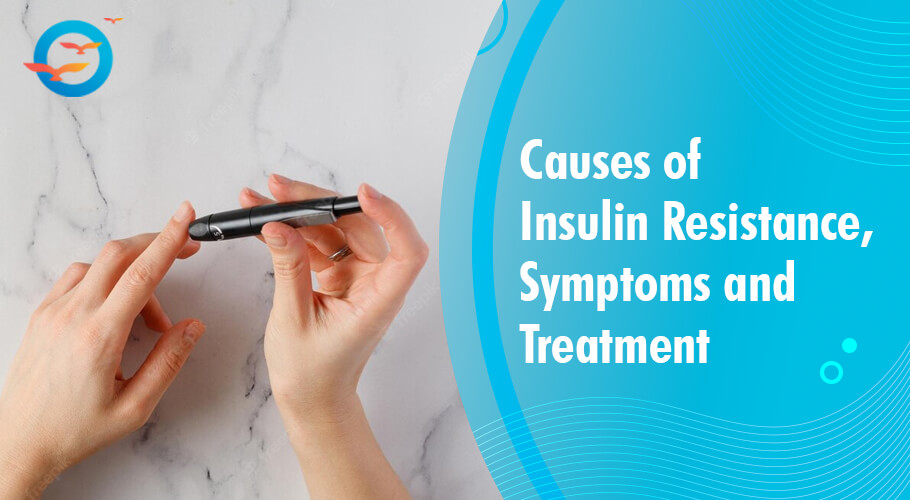
  • Causes of Insulin Resistance, Symptoms and Treatment
    Causes of Insulin Resistance, Symptoms and Treatment
    Oftentimes, for reasons we shall see later in this article, the body is unable to respond to the insulin produced in its own pancreas. Now, insulin’s major function is to open the muscle cells in order to allow glucose into the cells. When the cells do not respond to the insulin produced in the body, glucose from the blood cannot enter the cells and blood glucose levels rise. In this article, we take a look at the reasons for this resistance, symptoms, treatment, and prevention.
    Understanding insulin resistance (impaired insulin sensitivity)
    In a healthy body, food that is consumed is broken down into glucose, which enters the bloodstream, signaling the pancreas to secrete insulin. The insulin acts like a key opening up the cells to allow glucose to enter the cells. Glucose is essential for the creation of energy, however, when cells in the muscles, liver and other tissues do not respond to insulin, the glucose in the blood is unable to enter the cells and this leads to a build-up of glucose in the blood. If left untreated, this progresses to diabetes and brings a host of complications from heart damage to kidney failure.
    Excess body fat:
    As fat collects in your midsection, known as visceral fat, and spreads to cover organs like the pancreas, liver and kidney, it begins to compromise their functionality, leading to insulin resistance. In addition, this belly fat contributes to inflammation in the body, which is another cause of insulin resistance. A general rule of thumb is that your waist measurement should not exceed half your height. So if you’re 170 cm tall,     a waist measurement of 85 cm is your outer threshold.
    Browse full blog-
    https://www.freedomfromdiabetes.org/blog/post/causes-of-insulin-resistance-symptoms-and-treatment/2835
    Contact us :-
    Mob : +91-7776077760
    Email-Id : info@freedomfromdiabetes.org
    Also connect with us on our website , Facebook page, and youtube
    Causes of Insulin Resistance, Symptoms and Treatment Causes of Insulin Resistance, Symptoms and Treatment Oftentimes, for reasons we shall see later in this article, the body is unable to respond to the insulin produced in its own pancreas. Now, insulin’s major function is to open the muscle cells in order to allow glucose into the cells. When the cells do not respond to the insulin produced in the body, glucose from the blood cannot enter the cells and blood glucose levels rise. In this article, we take a look at the reasons for this resistance, symptoms, treatment, and prevention. Understanding insulin resistance (impaired insulin sensitivity) In a healthy body, food that is consumed is broken down into glucose, which enters the bloodstream, signaling the pancreas to secrete insulin. The insulin acts like a key opening up the cells to allow glucose to enter the cells. Glucose is essential for the creation of energy, however, when cells in the muscles, liver and other tissues do not respond to insulin, the glucose in the blood is unable to enter the cells and this leads to a build-up of glucose in the blood. If left untreated, this progresses to diabetes and brings a host of complications from heart damage to kidney failure. Excess body fat: As fat collects in your midsection, known as visceral fat, and spreads to cover organs like the pancreas, liver and kidney, it begins to compromise their functionality, leading to insulin resistance. In addition, this belly fat contributes to inflammation in the body, which is another cause of insulin resistance. A general rule of thumb is that your waist measurement should not exceed half your height. So if you’re 170 cm tall,     a waist measurement of 85 cm is your outer threshold. Browse full blog- https://www.freedomfromdiabetes.org/blog/post/causes-of-insulin-resistance-symptoms-and-treatment/2835 Contact us :- Mob : +91-7776077760 Email-Id : info@freedomfromdiabetes.org Also connect with us on our website , Facebook page, and youtube
    WWW.FREEDOMFROMDIABETES.ORG
    What Causes Insulin Resistance and How Is It Treated? - Freedom from Diabetes
    Explore the causes, symptoms, and treatment options for insulin resistance. Learn about the factors contributing to this condition and how to manage it effectively.
    0 Commentaires 0 Parts 315 Vue 0 Aperçu
  • Role of Insulin in human body : FFD
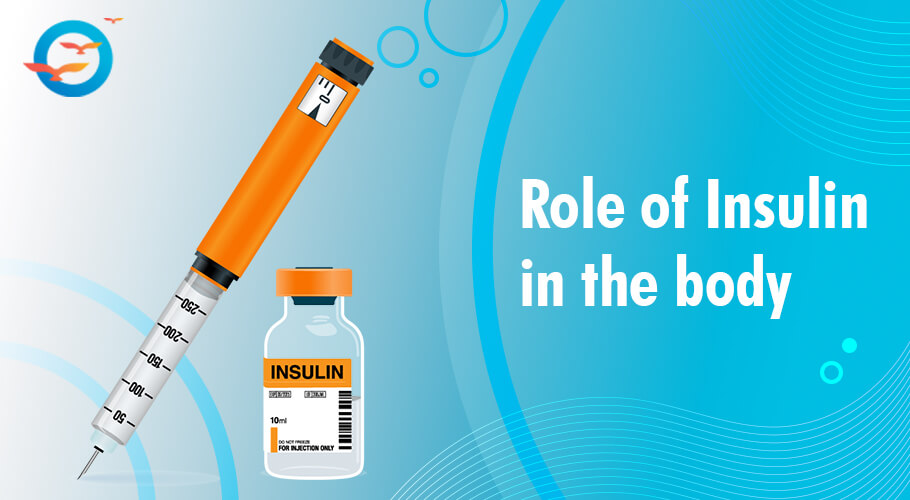
    Insulin is a hormone produced by beta cells that are situated in the pancreatic islets of Langerhans. The pancreatic beta cells, being sensitive to blood sugar levels, secrete insulin into the blood when glucose levels are high; and slow or stop the secretion if glucose levels are low.
    When you eat, the carbohydrate in your food is converted into glucose which floods the blood circulatory system. This excess of glucose prompts the pancreas to secrete insulin. The insulin unlocks cells in the body, allowing glucose to enter the cells, effectively dropping the concentration of glucose in the blood. About 70% of the glucose is used by your muscular-skeletal system, which is why exercise, especially muscle-building resistance exercises are so important for controlling type 2 diabetes.
    In addition to regulating blood sugar levels by sending glucose to muscle cells, insulin converts the excess glucose into fat, which is in effect a store for calories. Thus, when there is a surplus of calories—i.e. when you overconsume food—the glucose that is left over after the body’s cells have been filled is automatically converted into fat. Since diabetics generally have higher concentrations of insulin in the body, their tendency to gain weight is also higher. This is also why insulin-dependent diabetics are often overweight or suffer from obesity.
    Insulin is needed to enable the body to store glucose in your muscles or liver and convert excess glucose into fat as storage for future energy requirements. Lack of insulin impairs its ability to perform both these functions In its absence, the fat breaks down to create keto acids, which can trigger diabetic ketoacidosis, a potentially fatal condition, if levels grow too high.
    Insulin’s Effect on Different Parts of The Body
    1. Brain
     
    There is evidence that suggests that insulin promotes glucose absorption in the tissues of the spinal cord and certain parts of the brain. It also impacts other physiological functions such as memory, cogitation and the ability to keep the brain’s neural network healthy. Thus insulin resistance increases the risk of damage to the cognitive system and the risk of dementia.
    2. Kidneys

    High blood sugar can damage the tiny renal pathways in the kidney, affecting their ability to filter our creatinine and excrete it via urine. This is why diabetics tend to have high levels of creatinine in their systems. Over time this will lead to kidney damage and ultimately require dialysis or replacement.
    Browse full blog-
    https://www.freedomfromdiabetes.org/blog/post/role-of-insulin-in-the-human-body-ffd/2787
    Contact us :-
    Mob : +91-7776077760
    Email-Id : info@freedomfromdiabetes.org
    Also connect with us on our website , Facebook page, and youtube
    Role of Insulin in human body : FFD Insulin is a hormone produced by beta cells that are situated in the pancreatic islets of Langerhans. The pancreatic beta cells, being sensitive to blood sugar levels, secrete insulin into the blood when glucose levels are high; and slow or stop the secretion if glucose levels are low. When you eat, the carbohydrate in your food is converted into glucose which floods the blood circulatory system. This excess of glucose prompts the pancreas to secrete insulin. The insulin unlocks cells in the body, allowing glucose to enter the cells, effectively dropping the concentration of glucose in the blood. About 70% of the glucose is used by your muscular-skeletal system, which is why exercise, especially muscle-building resistance exercises are so important for controlling type 2 diabetes. In addition to regulating blood sugar levels by sending glucose to muscle cells, insulin converts the excess glucose into fat, which is in effect a store for calories. Thus, when there is a surplus of calories—i.e. when you overconsume food—the glucose that is left over after the body’s cells have been filled is automatically converted into fat. Since diabetics generally have higher concentrations of insulin in the body, their tendency to gain weight is also higher. This is also why insulin-dependent diabetics are often overweight or suffer from obesity. Insulin is needed to enable the body to store glucose in your muscles or liver and convert excess glucose into fat as storage for future energy requirements. Lack of insulin impairs its ability to perform both these functions In its absence, the fat breaks down to create keto acids, which can trigger diabetic ketoacidosis, a potentially fatal condition, if levels grow too high. Insulin’s Effect on Different Parts of The Body 1. Brain   There is evidence that suggests that insulin promotes glucose absorption in the tissues of the spinal cord and certain parts of the brain. It also impacts other physiological functions such as memory, cogitation and the ability to keep the brain’s neural network healthy. Thus insulin resistance increases the risk of damage to the cognitive system and the risk of dementia. 2. Kidneys High blood sugar can damage the tiny renal pathways in the kidney, affecting their ability to filter our creatinine and excrete it via urine. This is why diabetics tend to have high levels of creatinine in their systems. Over time this will lead to kidney damage and ultimately require dialysis or replacement. Browse full blog- https://www.freedomfromdiabetes.org/blog/post/role-of-insulin-in-the-human-body-ffd/2787 Contact us :- Mob : +91-7776077760 Email-Id : info@freedomfromdiabetes.org Also connect with us on our website , Facebook page, and youtube
    WWW.FREEDOMFROMDIABETES.ORG
    Understanding Insulin: Key to Diabetes Management - Freedom from Diabetes
    Learn about insulin's importance in the body and its role in managing diabetes. Understand how it controls blood sugar levels, crucial for diabetes care.
    0 Commentaires 0 Parts 462 Vue 0 Aperçu
  • Insulin Types and Their Use
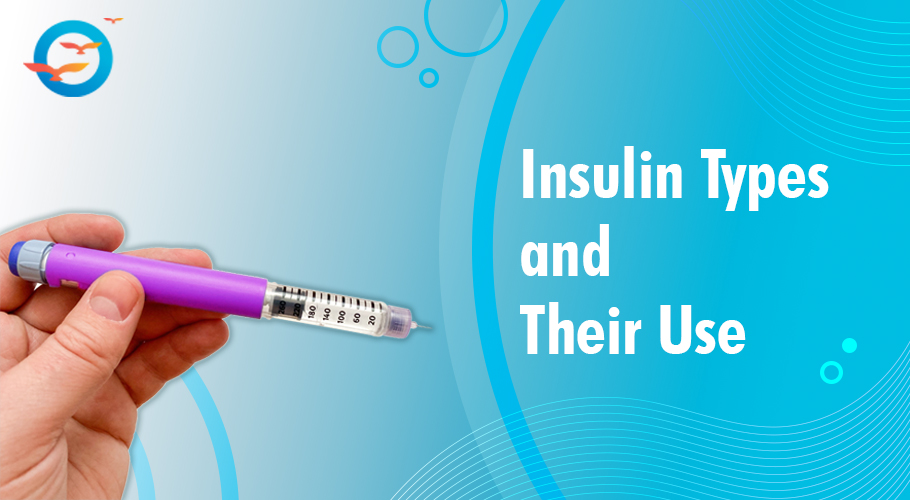
    Insulin types are broadly classified on the speed with which they take effect and how long they last. Each type is used in a specific circumstance, and to understand which one to use, it is necessary to understand the necessity of insulin.
    Insulin is a hormone produced inside beta cells that are situated in the Islets of Langerhans in the pancreas. When you consume food, there is a rise in blood sugar, which triggers a release of insulin.

    The beta cells actually produce a molecule known as proinsulin, this has two constituents: C-peptide and insulin. C-peptide volume tells us how much insulin a person is producing. This is very important in deciding treatment and prescribing insulin dose.
    Sometimes the pancreas does not produce any—or very little—insulin, this condition is called Type 1 Diabetes. In such cases, the patient needs externally administered insulin shots to be able to use glucose consumed in meals.
    People with type 2 diabetes, on the other hand, do produce insulin, but their bodies are unable to use this insulin, due to a chronic condition called insulin resistance. Unlike Type 1 Diabetes, this condition can be managed and even reversed with proper diet-exercise-stress management. If left unmanaged, or inadequately managed, Type 2 Diabetes patients, too, require insulin shots.
    Now, the body needs to be able to manage the glucose levels in the blood through the day and night, as well as during meals when there is a sudden overload of glucose.  Different types of insulin take care of these needs.
    Browse full blog-
    https://www.freedomfromdiabetes.org/blog/post/insulin-types-and-their-use/2822
    Contact us :-
    Mob : +91-7776077760
    Email-Id : info@freedomfromdiabetes.org
    Also connect with us on our website , Facebook page, and youtube
    Insulin Types and Their Use Insulin types are broadly classified on the speed with which they take effect and how long they last. Each type is used in a specific circumstance, and to understand which one to use, it is necessary to understand the necessity of insulin. Insulin is a hormone produced inside beta cells that are situated in the Islets of Langerhans in the pancreas. When you consume food, there is a rise in blood sugar, which triggers a release of insulin. The beta cells actually produce a molecule known as proinsulin, this has two constituents: C-peptide and insulin. C-peptide volume tells us how much insulin a person is producing. This is very important in deciding treatment and prescribing insulin dose. Sometimes the pancreas does not produce any—or very little—insulin, this condition is called Type 1 Diabetes. In such cases, the patient needs externally administered insulin shots to be able to use glucose consumed in meals. People with type 2 diabetes, on the other hand, do produce insulin, but their bodies are unable to use this insulin, due to a chronic condition called insulin resistance. Unlike Type 1 Diabetes, this condition can be managed and even reversed with proper diet-exercise-stress management. If left unmanaged, or inadequately managed, Type 2 Diabetes patients, too, require insulin shots. Now, the body needs to be able to manage the glucose levels in the blood through the day and night, as well as during meals when there is a sudden overload of glucose.  Different types of insulin take care of these needs. Browse full blog- https://www.freedomfromdiabetes.org/blog/post/insulin-types-and-their-use/2822 Contact us :- Mob : +91-7776077760 Email-Id : info@freedomfromdiabetes.org Also connect with us on our website , Facebook page, and youtube
    WWW.FREEDOMFROMDIABETES.ORG
    Types of insulin for diabetes treatment - Freedom from Diabetes
    Learn about different types of insulin and how they're used for diabetes. What are the types of Insulin Quick-acting, Regular or short-acting, Intermediate-acting etc.
    0 Commentaires 0 Parts 424 Vue 0 Aperçu
  • Insulin Explained: Why It’s Crucial for Diabetics
    Insulin. Is it a hormone or an enzyme, and why does it matter?
    Given that insulin is a chemical that activates a biological function, it is natural to wonder whether it is an enzyme or a hormone. Whereas both enzymes and hormones are chemicals and both are needed to activate biological functions, there is a critical difference between the two. Enzymes are basically catalysts, while hormones are like messengers who stimulate certain reactions in the body.
    Thus, insulin is a hormone and not an enzyme. Its presence in the blood enables glucose to enter the body’s cells, where it is used to create energy.
    Causes of insulin resistance
    Sometimes the insulin produced in the body stops functioning effectively. I.e. it is unable to open cells for glucose in the blood to enter. This leads to an accumulation of glucose in the blood, which is what we call High Blood Sugar. Over time, if ignored or inadequately treated this will result in diabetes and all the ills that diabetes brings, including high BP, kidney disorders, cardiac damage, etc.
    Insulin types and their uses
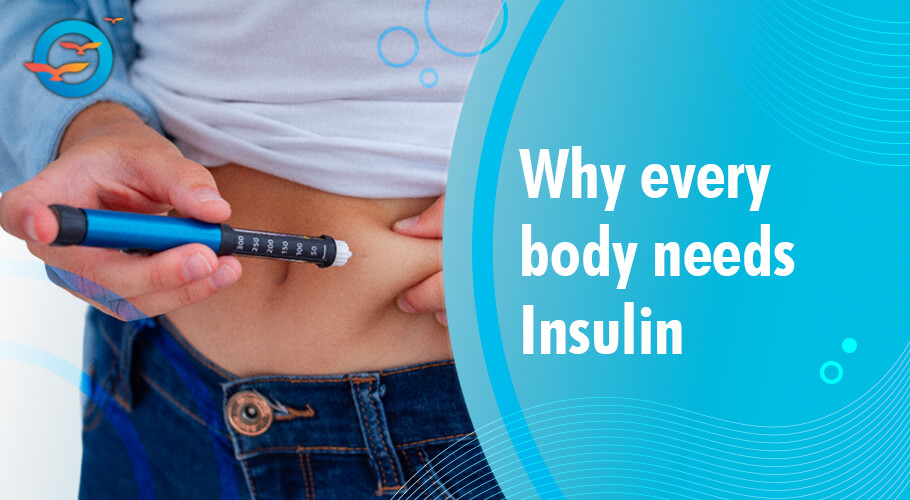
    Sometimes, as in the case of Type 1 diabetes, it is not possible to manage the condition with diet, exercise and stress management, and even oral medication. In these cases, external administration of insulin is required. However, as we know, blood sugar management is a 24x7 affair. In other words, the body needs to maintain normal glucose levels day and night, during meals, to do this efficiently the body needs insulin for long-term needs as well as when there is a large intake of glucose, i.e. mealtimes.

    Browse full blog-
    https://www.freedomfromdiabetes.org/blog/post/diabetic-insulin-and-its-importance/2834

    Contact us :-
    Mob : +91-7776077760
    Email-Id : info@freedomfromdiabetes.org
    Also connect with us on our website , Facebook page, and youtube
    Insulin Explained: Why It’s Crucial for Diabetics Insulin. Is it a hormone or an enzyme, and why does it matter? Given that insulin is a chemical that activates a biological function, it is natural to wonder whether it is an enzyme or a hormone. Whereas both enzymes and hormones are chemicals and both are needed to activate biological functions, there is a critical difference between the two. Enzymes are basically catalysts, while hormones are like messengers who stimulate certain reactions in the body. Thus, insulin is a hormone and not an enzyme. Its presence in the blood enables glucose to enter the body’s cells, where it is used to create energy. Causes of insulin resistance Sometimes the insulin produced in the body stops functioning effectively. I.e. it is unable to open cells for glucose in the blood to enter. This leads to an accumulation of glucose in the blood, which is what we call High Blood Sugar. Over time, if ignored or inadequately treated this will result in diabetes and all the ills that diabetes brings, including high BP, kidney disorders, cardiac damage, etc. Insulin types and their uses Sometimes, as in the case of Type 1 diabetes, it is not possible to manage the condition with diet, exercise and stress management, and even oral medication. In these cases, external administration of insulin is required. However, as we know, blood sugar management is a 24x7 affair. In other words, the body needs to maintain normal glucose levels day and night, during meals, to do this efficiently the body needs insulin for long-term needs as well as when there is a large intake of glucose, i.e. mealtimes. Browse full blog- https://www.freedomfromdiabetes.org/blog/post/diabetic-insulin-and-its-importance/2834 Contact us :- Mob : +91-7776077760 Email-Id : info@freedomfromdiabetes.org Also connect with us on our website , Facebook page, and youtube
    WWW.FREEDOMFROMDIABETES.ORG
    Diabetic: Insulin and its importance - Freedom from Diabetes
    Lets understand crucial role in insulin in diabetes, causes, symptoms, treatment. Learn importance of insulin for diabetics and how it impacts overall health.
    0 Commentaires 0 Parts 501 Vue 0 Aperçu