Losing teeth can have a significant impact on both oral health and overall quality of life. Missing teeth not only affect the appearance of your smile but also make it difficult to eat, speak, and maintain proper jaw function. Modern implant dentistry has transformed the way tooth loss is treated by offering permanent, stable, and natural-looking solutions. Mandibular Implants in Islamabad have become an increasingly popular option for individuals who have lost one or more teeth in the lower jaw and are looking for a durable alternative to traditional dentures or bridges. Designed to replace missing tooth roots, mandibular implants provide exceptional support for dental restorations while preserving the health of the jawbone and surrounding tissues.Whether tooth loss occurs because of trauma, advanced gum disease, severe decay, or aging, mandibular implants offer a reliable solution that restores both function and confidence. Unlike removable dentures, implants become integrated with the jawbone, creating a secure foundation that closely mimics natural teeth. With proper planning and expert placement, patients can enjoy long-lasting results that significantly improve their comfort, appearance, and daily life.
Understanding Mandibular Implants
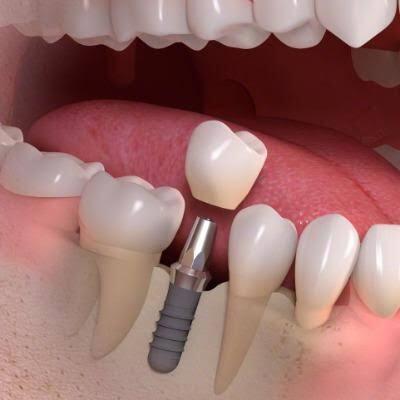
Mandibular implants are dental implants that are placed in the lower jaw, also known as the mandible. A dental implant consists of a small titanium post that is surgically inserted into the jawbone where a tooth is missing. Over the following months, the implant fuses with the surrounding bone through a natural biological process called osseointegration. Once healing is complete, an abutment is attached to the implant, followed by a custom-made dental crown, bridge, or implant-supported denture.The lower jaw experiences significant pressure during chewing, making stability an essential factor in successful tooth replacement. Mandibular implants are specifically designed to withstand these forces while restoring normal function and appearance. Their strength and durability make them one of the most effective long-term solutions for missing teeth.
Who Can Benefit from Mandibular Implants?
Mandibular implants are suitable for a wide range of patients who have lost one tooth, several teeth, or all the teeth in the lower jaw. Candidates generally have healthy gums, sufficient jawbone density, and good overall health. Even individuals with some degree of bone loss may still qualify after undergoing bone grafting or other preparatory procedures.People who struggle with loose dentures often find mandibular implants especially beneficial because implant-supported dentures eliminate slipping, movement, and discomfort during eating or speaking. Younger adults who have completed jaw growth as well as older individuals seeking a permanent solution may both benefit from implant treatment after a comprehensive dental evaluation.
Restoring Natural Chewing Function
One of the greatest advantages of mandibular implants is their ability to restore normal chewing efficiency. Missing teeth can make it difficult to enjoy many foods, forcing individuals to avoid harder or healthier options such as fruits, vegetables, nuts, and lean meats. Conventional dentures may also shift during meals, limiting chewing power and reducing confidence.Mandibular implants function much like natural tooth roots, allowing patients to bite and chew with significantly greater force and stability. Because the implants are firmly anchored within the jawbone, they provide excellent support for crowns or dentures, enabling patients to eat a varied diet without worrying about discomfort ormovement.Improved chewing not only enhances enjoyment of food but also contributes to better digestion and overall nutritional health.
Preserving Jawbone Health
One of the most remarkable benefits of dental implants is their ability to preserve jawbone structure. After a tooth is lost, the surrounding bone gradually begins to shrink because it no longer receives stimulation from the tooth root. Over time, this bone loss can alter facial appearance, weaken neighboring teeth, and complicate future dental treatment.Mandibular implants help prevent bone deterioration by transmitting chewing forces directly into the jawbone. This stimulation encourages the bone to remain healthy and strong, closely replicating the function of natural tooth roots.By maintaining bone volume, implants preserve facial contours and reduce the risk of the sunken appearance that often develops after prolonged tooth loss.
Improving Facial Appearance
Tooth loss affects more than just the smile. As the jawbone shrinks, the lower portion of the face may gradually lose support, causing wrinkles, sagging skin, and an aged appearance. This change often occurs gradually, making many individuals unaware of its connection to missing teeth.Mandibular implants provide structural support that helps maintain normal facialproportions. By preserving the jawbone and supporting properly designed restorations, implants restore the natural fullness of the lower face. Patients often notice that they look younger, healthier, and more refreshed after completing implant treatment.The restoration of facial harmony is one of the reasons why implants are considered both a functional and cosmetic dental solution.
Enhancing Speech
Missing teeth or unstable dentures can interfere with normal speech, making certain words difficult to pronounce. Dentures that slip during conversation may create embarrassment and reduce self-confidence in social or professional situations.Mandibular implants provide a stable foundation that allows patients to speak naturally without worrying about movement. Because implant-supported restorations remain securely in place, individuals can communicate more clearly and confidently in everyday interactions.This improvement often has a positive impact on both personal relationships and professional communication.
Long-Term Durability
Durability is another major advantage of mandibular implants. While traditional bridges and removable dentures may require replacement after several years, dental implants are designed to last for decades when properly maintained.The titanium implant itself becomes permanently integrated with the jawbone, making it highly resistant to daily chewing forces. Although crowns may eventually require replacement because of normal wear, the implant foundation frequently remains healthy for many years.This long lifespan makes implants a cost-effective investment despite their higher initial expense compared to other tooth replacement options.
Superior Comfort
Many denture wearers experience sore spots, irritation, and discomfort caused by friction between the denture and gum tissues. Dentures may also become loose over time as the jawbone changes shape.Mandibular implants eliminate many of these problems by providing stable support directly from the bone. Because the restorations are firmly attached, patients enjoy a level of comfort that closely resembles natural teeth.There is no need for messy adhesives, frequent adjustments, or concerns about dentures shifting during daily activities.
Protecting Adjacent Teeth
Traditional dental bridges often require neighboring healthy teeth to be reshaped so they can support the restoration. This removal of healthy tooth structure is permanent and may increase the long-term risk of damage to adjacent teeth.Mandibular implants function independently without relying on neighboring teeth for support. Each implant replaces an individual tooth root, preserving the integrity of surrounding healthy teeth.This conservative approach protects natural tooth structure while providing excellent long-term stability.
Supporting Full-Arch Tooth Replacement
Patients who have lost all their lower teeth can also benefit greatly from mandibular implants. Instead of wearing a removable lower denture that may shift during eating or speaking, implant-supported dentures provide outstanding stability and comfort.Several implants are strategically placed within the lower jaw to support a complete arch of replacement teeth. Depending on the treatment plan, the prosthesis may be removable for cleaning or permanently fixed in place.This approach dramatically improves chewing ability, speech, confidence, and overall quality of life for individuals with complete tooth loss.
Improving Oral Health
Replacing missing teeth with mandibular implants contributes to better overall oral health. Empty spaces left by missing teeth can allow neighboring teeth to shift out of position, leading to bite problems and increased difficulty cleaning the mouth.Implants maintain proper tooth alignment by filling these gaps and supporting normal bite function. They are also easier to clean than many traditional dental bridges, helping patients maintain healthier gums and reduce the risk of future dental disease.
The Treatment Process
Receiving mandibular implants involves several carefully planned stages. The process begins with a comprehensive consultation during which the dentist evaluates oral health, reviews medical history, and performs digital imaging such as X-rays or 3D CBCT scans. These images help determine bone quality, implant position, and overall treatment planning.If sufficient bone is available, the implant is surgically placed into the lower jaw under local anesthesia or conscious sedation. Most patients report only mild discomfort following the procedure, which is generally managed with prescribed or over-the-counter medication.During the next three to six months, osseointegration occurs as the implant bonds with the surrounding bone. Once healing is complete, the dentist attaches an abutment and fabricates a customized crown, bridge, or denture designed to match the patient's natural teeth in color, shape, and function.The result is a secure, comfortable, and aesthetically pleasing restoration that closely resembles natural teeth.
Recovery After Mandibular Implant Placement
Recovery following implant surgery is generally straightforward. Mild swelling, bruising, and tenderness are common during the first few days but gradually improve as healing progresses. Patients are usually advised to eat soft foods temporarily while avoiding excessive pressure on the surgical site.Maintaining excellent oral hygiene during healing is essential for preventing infection and promoting successful osseointegration. Follow-up appointments allow the dental team to monitor healing and ensure that the implant remains stable.Most individuals return to normal daily activities within a short period while continuing to heal over the following months.
Success Rate of Mandibular Implants
Dental implants are among the most predictable procedures in modern dentistry. Numerous long-term clinical studies have demonstrated success rates exceeding 95% when implants are placed by experienced professionals and properly maintained.good oral hygiene, careful treatment planning, and regular dental checkups. Patients who avoid smoking and maintain healthy lifestyles often experience even greater long-term success.Because of their reliability, mandibular implants have become the preferred choice for replacing missing lower teeth in patients worldwide.
Are Mandibular Implants Worth It?
Although the initial investment is greater than traditional dentures or bridges, mandibular implants provide exceptional long-term value. Their durability, comfort, stability, and ability to preserve oral health often reduce the need for future restorative procedures.Patients frequently describe implant treatment as life-changing because it restores confidence, allows them to enjoy their favorite foods again, improves speech, and enhances overall quality of life. Rather than simply replacing missing teeth, implants restore normal oral function in a way that closely resembles natural dentition.For many individuals, the benefits far outweigh the initial cost, making implants one of the most worthwhile investments in long-term dental health.
Conclusion
Mandibular implants represent one of the most advanced and effective solutions for replacing missing teeth in the lower jaw. They restore chewing efficiency, preserve jawbone health, improve facial appearance, enhance speech, protect neighboring teeth, and provide unmatched comfort compared to traditional tooth replacement options. Whether replacing a single missing tooth or supporting a full arch of teeth, implants offer a durable, natural-looking, and long-lasting solution that significantly improves both oral health and overall quality of life.



 English
 Arabic
 French
 Spanish
 Portuguese
 Deutsch
 Turkish
 Dutch
Dutch
 Russian
 Romaian
 Portuguese (Brazil)
 Greek
Greek
 Bengali