


The Future of Play: Key Trends Shaping the Global E-sports Market
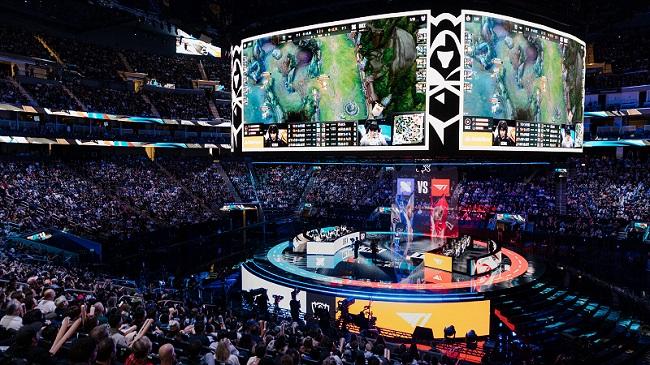
The world of competitive video gaming is in a constant state of evolution, with new games, platforms, and business models constantly reshaping the landscape. To understand the future of this dynamic industry, it is essential to analyze the key E-sports Market Trends that are defining the next phase of its growth and professionalization. These trends reveal a clear progression from a purely digital phenomenon to a more mainstream and diversified form of sport and entertainment. The overarching theme is the increasing convergence of e-sports with traditional sports, media, and culture. These developments are not just growing the e-sports audience; they are making the industry more sustainable, more professional, and more deeply integrated into the global entertainment ecosystem.
The single most important trend is the increasing "mainstream-ification" and legitimization of e-sports. A key part of this is the move towards city-based, franchised leagues, which mirrors the structure of traditional sports leagues like the NFL or NBA. Leagues like the Overwatch League and the League of Legends Championship Series (LCS) have teams that are tied to specific cities (e.g., the Los Angeles Gladiators), which helps to build local fan bases and create more valuable and stable team franchises. Another major aspect of this trend is the inclusion of e-sports in major international multi-sport events. Its debut as a medal event at the Asian Games and the ongoing discussions about its potential inclusion in the Olympic Games are massive steps towards being recognized as a legitimate sport on the global stage.
Another powerful trend is the explosive growth of mobile e-sports. While PC and console e-sports have traditionally dominated the market, the massive global installed base of powerful smartphones has created a huge new platform for competitive gaming. Games like PUBG Mobile, Mobile Legends: Bang Bang, and Arena of Valor have become cultural phenomena, particularly in Southeast Asia, Latin America, and India, with professional leagues and tournaments that draw massive viewership numbers. Mobile e-sports has a much lower barrier to entry for both players and viewers, which is dramatically expanding the global e-sports audience and creating a massive new market for sponsors and advertisers to tap into. The future growth of the e-sports audience will be heavily driven by the mobile segment.
Finally, a critical trend is the diversification of revenue streams for e-sports organizations and the increasing influence of the "creator economy." For years, e-sports teams have been heavily reliant on sponsorships for their revenue. The trend is now towards building a more diversified business model. This includes a heavy focus on building a lifestyle brand through the sale of merchandise and apparel. It also involves a deep integration with content creation. Many professional e-sports players are also highly popular streamers and content creators on platforms like Twitch and YouTube. E-sports organizations are now acting more like media companies, signing and supporting a roster of content creators in addition to their competitive teams, and using that content to build a massive and engaged online community, which can then be monetized in a variety of ways beyond just winning tournaments.
Other Exclusive Reports:
Asset Reliability Software Market

 Arabic
 French
 Spanish
 Portuguese
 Deutsch
 Turkish
 Dutch
Dutch
 Italiano
 Russian
 Romaian
 Portuguese (Brazil)
 Greek
Greek
 Bengali