


Recovering with Confidence: Post-Operative Care for Lip Lift Surgery in Riyadh
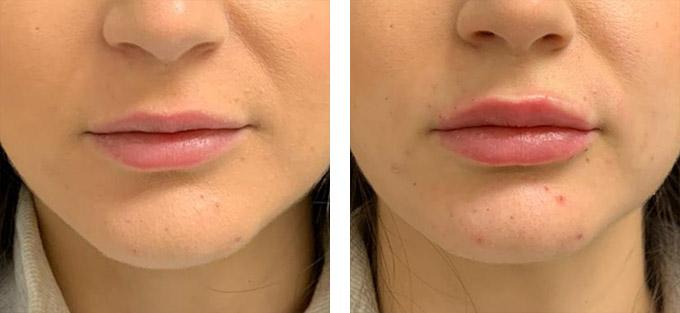
Recovering with Confidence: Post-Operative Care for Lip Lift Surgery in Riyadh
Lip Lift Surgery in Riyadh necessitates a dedicated approach to the post-operative period to ensure the best possible aesthetic results and a smooth healing journey. Understanding the recovery timeline and adhering to professional aftercare instructions are paramount. Because the procedure involves the delicate tissues between the nose and the upper lip, the healing process requires patience, consistent wound care, and a mindful approach to daily activities during the initial weeks.
The Immediate Post-Operative Phase (Days 1–3)
The first 48 to 72 hours are the most critical for establishing a foundation for healing. Immediately following your procedure, it is normal to experience tightness, swelling, and mild bruising around the upper lip and nasal base. During this time, your focus should be on rest and minimizing tension on the incision site.
-
Elevation: Keep your head elevated at a 30 to 45-degree angle, even while sleeping, using two or three pillows. This simple step significantly helps to reduce blood flow to the surgical area and minimizes swelling.
-
Cold Compresses: Apply cold packs to the surrounding areas—not directly on the incision—for 15 to 20 minutes every hour while awake. This helps constrict blood vessels and manages inflammation.
-
Activity Restrictions: Avoid bending over, heavy lifting, or any strenuous physical activity that could increase blood pressure and aggravate swelling or bleeding.
Managing Nutrition and Oral Care
Since the surgical site is located in a highly active area of the face, your diet and oral habits play a major role in the healing process.
-
Soft Food Diet: For the first week, prioritize a diet consisting of soft, easy-to-chew foods such as smoothies, yogurt, soups, and mashed vegetables. Avoid foods that require wide mouth opening or excessive chewing, such as hard crusts, apples, or tough meats.
-
Minimal Movement: Keep facial expressions to a minimum. Avoid excessive talking, laughing, yawning, or wide smiles, as these actions create unnecessary tension on the stitches.
-
Hydration: Drink plenty of water to support cellular repair. If you are instructed to use a straw, ensure it does not cause you to purse your lips excessively, though in many cases, drinking from a cup is preferred during the first few days.
The First Week and Suture Removal
Around days five to seven, you will typically have a follow-up appointment for the removal of your sutures. By this stage, the initial swelling and bruising will begin to subside, and you may start to feel more comfortable.
-
Incision Maintenance: Your surgeon will provide specific instructions on how to clean the area. This usually involves gentle cleansing with mild soap and water and the application of an antibiotic ointment to keep the incision hydrated and protected from infection.
-
Avoiding Irritants: Do not apply makeup or non-prescribed skincare products directly over the incision until your surgeon gives you the green light, which is often around the 10-day mark.
-
Smoking and Alcohol: It is essential to avoid smoking and nicotine products, as these significantly impair blood flow and can delay healing or negatively impact the final appearance of the scar.
Long-Term Healing and Scar Care
While initial healing occurs within the first few weeks, the maturation of the scar is a process that continues for several months.
-
Sun Protection: The skin in the treated area will be highly sensitive to UV rays. Protect the scar from direct sun exposure for at least three months using a high-SPF, broad-spectrum sunscreen and a wide-brimmed hat when outdoors. UV exposure can cause hyperpigmentation, which can make the scar more noticeable.
-
Scar Management: Once the incision is fully closed and the area is no longer tender, your surgeon may recommend silicone-based scar gels or sheets to help flatten and fade the appearance of the line.
-
Gradual Resumption of Activity: Light activities can usually be resumed after the first week, but you should wait four to six weeks before engaging in vigorous exercise or heavy weightlifting. Always listen to your body; if you feel pain or excessive pulling at the site, pause and allow more time for recovery.
By following these guidelines and maintaining consistent communication with your surgical team, you can help ensure that the results of your surgery are both beautiful and long-lasting. Recovery is a journey, and with proper care, you will soon be able to enjoy the full benefits of your rejuvenated, harmonious smile.

 Arabic
 French
 Spanish
 Portuguese
 Deutsch
 Turkish
 Dutch
Dutch
 Italiano
 Russian
 Romaian
 Portuguese (Brazil)
 Greek
Greek
 Bengali