


The Modern Guide to Ear Piercing in Riyadh
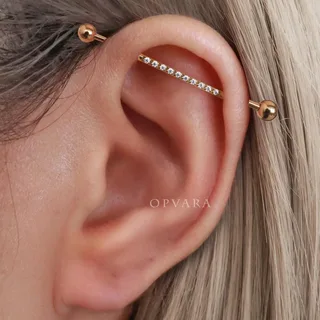
Article 1: The Modern Guide to Ear Piercing in Riyadh
The popularity of Ear Piercing in Riyadh has grown significantly as a refined form of self-expression and personal styling. In a city that masterfully blends deep-rooted tradition with a modern, cosmopolitan aesthetic, ear curation has become more than just a simple procedure; it is now a celebrated art form. Whether you are looking for a minimalist lobe stud or a complex, multi-hoop cartilage arrangement, understanding the nuances of the process, safety, and aftercare is essential for a successful experience in the Kingdom.
The Evolution of Ear Piercing in Riyadh
In recent years, the culture of body art in Saudi Arabia has shifted toward mainstream appreciation. Traditionally, ear piercing was limited to the lower lobe, often performed during childhood. Today, however, the landscape has transformed. Riyadh’s residents now embrace a wider array of placements, including the helix, tragus, conch, daith, and rook. This evolution is driven by global fashion trends and a digital-first approach to aesthetics, where "ear stacks"—the practice of layering multiple earrings to create a curated look—have become a hallmark of contemporary Saudi style.
Understanding the Procedure and Safety
Safety remains the paramount concern when choosing a location for your piercing. Professional, modern facilities in Riyadh prioritize hygiene by utilizing single-use, sterilized needles rather than traditional piercing guns. The needle method is widely preferred by experts because it is more precise, causes less trauma to the surrounding tissue, and significantly reduces the risk of infection.
Before the procedure, a technician will typically:
-
Consultation: Discuss your style preferences and the best placement for your anatomy.
-
Sterilization: Cleanse the area with medical-grade antiseptic.
-
Marking: Carefully map out the piercing site, allowing you to approve the placement with a mirror.
-
Precision: Use a hollow, sterile needle to create the channel, instantly followed by the insertion of high-quality, hypoallergenic jewelry.
Choosing the Right Materials
In the dry and often warm climate of Riyadh, selecting the right metal for your jewelry is critical to prevent irritation. Experts strongly recommend hypoallergenic materials such as:
-
Titanium (ASTM F-136): Highly biocompatible and the gold standard for initial piercings.
-
14K or 18K Solid Gold: Excellent for long-term wear, provided it is high quality and free of nickel.
-
Surgical Steel: While popular, ensure it is high-grade and specifically marketed for initial piercing use.
Avoiding low-quality alloys or nickel-plated jewelry is essential, as these can easily trigger contact dermatitis, especially in a humid or high-temperature environment where sweat can increase the risk of skin reactions.
Aftercare Strategies for a Healthy Healing Process
Healing time varies depending on the location of the piercing. While earlobes typically heal within 6 to 8 weeks, cartilage piercings can take anywhere from 6 months to a year to fully stabilize. To ensure your new piercing heals without complications, consider these essential aftercare steps:
The "Leave It Alone" Rule
The most common mistake is over-cleaning or touching the piercing. Avoid rotating, twisting, or playing with your jewelry. Constant movement introduces bacteria and delays the formation of the new tissue channel.
Cleaning Protocol
-
Saline Solution: Use a sterile 0.9% sodium chloride wound wash twice daily. Avoid harsh chemicals like rubbing alcohol or hydrogen peroxide, which can kill healthy cells and dry out the area.
-
Gentle Drying: After cleaning, use sterile gauze or a clean paper towel to pat the area dry. Avoid using bath towels, which can snag on the jewelry and harbor bacteria.
-
Hygiene Habits: Wash your hands thoroughly before touching anything near your piercing. Furthermore, keep your phone, headphones, and pillowcases clean, as these items frequently contact your ears and can transfer dirt or oils.
Environmental Considerations
Given the climate, it is important to protect your ears from excessive heat and humidity. During the initial healing phase, try to keep your hair away from the jewelry to prevent snagging. If you frequent swimming pools or exercise in humid conditions, be extra diligent about rinsing your piercing with saline afterward to flush out any trapped salt or sweat.
Professional Advice and When to Seek Help
If you notice excessive redness, swelling, heat, or persistent discharge, do not panic and—crucially—do not remove the jewelry unless instructed by a professional. Removing the jewelry can cause the hole to close, trapping infection inside. Instead, contact a qualified piercer or a dermatologist in Riyadh. They can assess whether the issue is standard inflammation or a reaction that requires intervention.
By selecting a reputable establishment, investing in quality materials, and adhering strictly to professional aftercare guidelines, you can ensure that your ear-piercing journey in Riyadh is both safe and aesthetically rewarding. Whether you are crafting your first piercing or adding to a sophisticated collection, the key is patience and meticulous attention to hygiene.
Article 2: Anatomy, Aesthetics, and Ear Mapping in Riyadh
The growing interest in Ear Piercing in Riyadh highlights a broader shift toward individual style and self-expression within the city’s vibrant cultural landscape. As the capital continues to modernize, the services surrounding body modification have reached new levels of sophistication and safety. For many, a new piercing is not just a cosmetic addition; it is a carefully curated statement. Understanding the anatomical possibilities and the importance of professional execution is essential for anyone looking to safely enhance their personal look in a city that values both tradition and contemporary elegance.
Exploring Ear Anatomy for Personalized Stacking
Modern ear curation is all about working with your unique anatomy. In Riyadh, professional piercing studios now focus on "ear mapping"—a process where specialists analyze the folds and curves of your ear to determine where specific jewelry will sit most comfortably and aesthetically. Whether you have small or prominent ears, there is a configuration that can complement your features.
Common zones for artistic piercing arrangements include:
-
The Lobe: The most common site, perfect for classic studs, hoops, or more elaborate hanging pieces. It is also the fastest to heal.
-
The Helix: Located on the upper outer rim of the ear. This area is highly versatile and popular for small hoops, decorative chains, or dainty gemstone studs.
-
The Tragus: The small flap of cartilage covering the ear canal. This placement offers a subtle, sophisticated look that is increasingly trending across the region.
-
The Conch: Located in the center-most part of the ear. It provides a larger surface area, making it ideal for statement pieces like hoops that "hug" the ear or flat studs.
-
The Rook and Daith: These are located within the inner folds of the ear. They are considered more "advanced" piercings due to the thickness of the cartilage, but they offer a unique, edgy aesthetic that stands out.
The Importance of Professional Anatomy Assessment
Not every ear is suited for every type of piercing. A professional piercer in Riyadh will always perform a physical assessment before picking up a needle. This is crucial because, for example, if you do not have enough "shelf" or surface area on your tragus, a piercing there may migrate or reject over time.
During your consultation, ask the professional:
-
"Does my anatomy support this specific placement?"
-
"Will this jewelry interfere with my daily habits, such as wearing headphones or eyeglasses?"
-
"What is the expected healing timeline for this specific area?"
By aligning your aesthetic desires with your physical reality, you ensure that your piercing is not only beautiful but also stable and long-lasting.
Curated Stacks: The Art of Layering
One of the most exciting trends in Ear Piercing in Riyadh is the move toward "curated ears." Instead of getting a single piercing at a time, many individuals are choosing to plan a cohesive collection of piercings.
To create a balanced look, consider the following elements:
-
Symmetry and Contrast: Balance a larger statement piece in the conch with smaller, delicate studs in the lobe.
-
Metal Consistency: While mixing metals (gold, silver, rose gold) is a style choice, staying within one tone often creates a more polished, high-end appearance.
-
Texture: Incorporate different shapes, such as chains, textured hoops, and gemstones, to add visual depth to your ear arrangement.
Why Quality Jewelry Matters
In a climate like that of Riyadh, your jewelry choice is a functional decision, not just a stylistic one. Because the body is more prone to irritation from sweat and heat, high-quality, non-porous metals are non-negotiable.
When you invest in professional-grade titanium or solid gold, you are paying for:
-
Biocompatibility: These materials significantly reduce the risk of allergic reactions and "bumps" (such as granulomas) that often form when using low-quality, plated metals.
-
Smooth Surfaces: High-quality jewelry is polished to a mirror finish, which prevents bacteria from getting trapped in micro-scratches.
-
Longevity: Professional jewelry does not tarnish or discolor, meaning your investment will maintain its luster even with daily wear in the local environment.
Setting the Stage for a Seamless Experience
To ensure your piercing appointment goes smoothly, preparation is key. Ensure you have eaten a balanced meal before your appointment to keep your blood sugar steady. Hydration is also vital, as it helps your body’s natural healing response. Arrive at the studio with an open mind regarding placement; sometimes, a piercer’s professional recommendation will yield a better result than what you might have envisioned from a photo online.
After your piercing is complete, remember that the "art" is only half the process—the other half is the patience you demonstrate during the healing phase. By avoiding the temptation to touch your new jewelry and by strictly following the cleaning protocol with sterile saline, you protect your skin and ensure your new ear curation looks as stunning as you intended.
Shall I continue with the third article in the series?

 Arabic
 French
 Spanish
 Portuguese
 Deutsch
 Turkish
 Dutch
Dutch
 Italiano
 Russian
 Romaian
 Portuguese (Brazil)
 Greek
Greek
 Bengali