


Why Your Fridge Glass Door Isn't Closing Properly
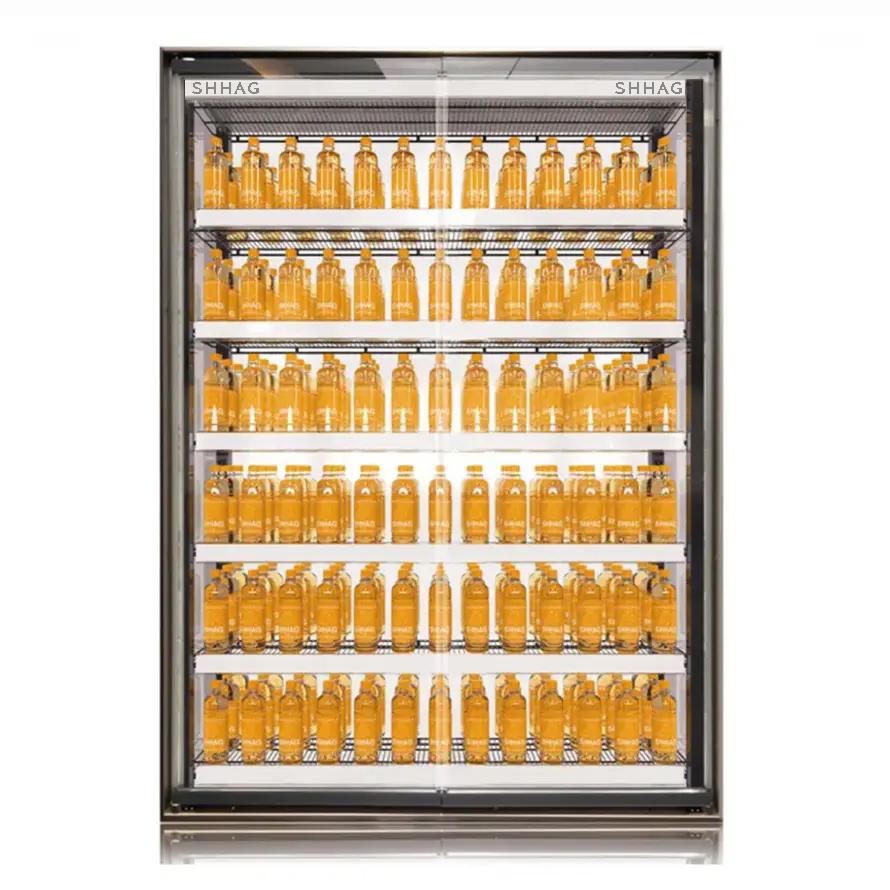
A fridge glass door should close smoothly every single time. It may seem like a simple part of a commercial refrigerator, but it plays a major role in keeping products cold, reducing energy consumption, and maintaining food safety.
When the door doesn't close properly, small problems quickly turn into expensive ones. Cold air escapes, warm air enters, condensation appears, and the refrigeration system works overtime to recover.
Many business owners blame the compressor when cooling performance drops. In reality, the door often deserves the first inspection.
The good news is that most door-closing issues develop gradually. They leave clear warning signs long before they cause major repairs.
Let's explore why a fridge glass door stops closing properly and how you can solve the problem before it affects your business.
Why a Properly Closing Door Matters
A commercial refrigerator depends on an airtight seal to maintain a consistent internal temperature.
When the fridge glass door remains slightly open, warm air continuously enters the cabinet. The refrigeration system must remove that extra heat and moisture, increasing compressor runtime and electricity use.
According to the U.S. Department of Energy (DOE), reducing air leaks is one of the simplest ways to improve refrigeration efficiency and lower operating costs.
A door that closes correctly protects both your products and your equipment.
Worn Door Gaskets Are the Most Common Cause
The rubber gasket around the fridge glass door creates the seal between the cabinet and the outside environment.
Over time, constant use causes the gasket to wear out.
Look for signs such as:
- Cracks
- Torn sections
- Flattened edges
- Hard or brittle rubber
- Loose corners
Even a tiny gap allows warm air to enter throughout the day.
Replacing a damaged gasket usually costs far less than paying for months of higher energy bills.
Dirt Can Prevent the Door From Sealing
Sometimes the gasket isn't damaged at all.
Sticky drink spills, dust, grease, and food residue collect around the seal.
That buildup prevents full contact with the cabinet.
Think of trying to close a book with a coin between the pages. It almost closes, but not quite.
Cleaning the gasket regularly with warm water and mild detergent helps restore a proper seal while extending the life of the rubber.
Avoid abrasive cleaners because they may damage the gasket material.
Loose Hinges Can Shift the Entire Door
Commercial refrigerators experience constant use.
Customers browse products.
Employees restock shelves.
Staff organize inventory.
Over time, hinges naturally loosen.
When that happens, the fridge glass door may sag slightly.
Common warning signs include:
- Uneven gaps around the frame
- The door rubbing against the cabinet
- Difficulty latching
- The door swinging open after closing
A simple hinge adjustment often restores proper alignment before larger problems develop.
Overloaded Shelves Can Block the Door
This problem surprises many businesses.
Large bottles, oversized containers, or products stacked too close to the front may prevent the door from closing completely.
Even a few millimeters matter.
Before assuming something has broken, inspect the shelves carefully.
Sometimes the most expensive "repair" turns out to be a carton of juice sticking out too far.
High Indoor Humidity Makes Problems Worse
Warm, humid air creates condensation whenever it enters the refrigerator.
Poor ventilation, nearby cooking equipment, rainy weather, or frequent door openings all increase humidity.
The American Society of Heating, Refrigerating and Air-Conditioning Engineers (ASHRAE) explains that humidity and air infiltration directly affect refrigeration performance.
When humidity remains high, the refrigeration system must remove both heat and moisture, increasing energy use.
Keeping the door sealed helps reduce that extra workload.
Frequent Door Openings Increase Wear
Busy retail environments naturally require constant access.
Each opening places stress on hinges, gaskets, and door-closing mechanisms.
According to the U.S. Department of Energy, limiting unnecessary door openings improves refrigeration efficiency and helps maintain consistent temperatures.
No business can eliminate customer traffic.
However, encouraging staff to close the door promptly after restocking makes a noticeable difference over time.
Poor Maintenance Leads to Bigger Repairs
Many refrigeration problems begin with small maintenance tasks that never happen.
Routine inspections should include:
- Cleaning the gasket
- Checking hinge tightness
- Inspecting door alignment
- Removing dirt from the door frame
- Confirming the door closes fully
- Looking for visible gasket damage
These simple checks require only a few minutes but can prevent expensive service calls.
Preventive maintenance almost always costs less than emergency repairs.
When a Door-Closer Stops Working
Many commercial refrigerators include self-closing mechanisms.
If that mechanism weakens, the door may remain partially open after customers walk away.
Possible warning signs include:
- The door stopping before fully closing
- Slow closing movement
- The door bouncing open
- Uneven closing pressure
A technician can inspect the closer, hinges, and alignment to determine whether adjustment or replacement is necessary.
When You Should Call a Professional
Basic cleaning cannot solve every problem.
Professional service becomes necessary if you notice:
- Large gasket damage
- Persistent condensation
- Rising electricity bills
- The door refusing to stay closed
- Compressor running continuously
- Temperature fluctuations inside the refrigerator
Early repairs often prevent larger refrigeration failures and reduce long-term operating costs.
Why a Properly Sealed Door Supports Better Business
A well-functioning fridge glass door delivers benefits beyond refrigeration.
It helps improve:
- Product visibility
- Food safety
- Energy efficiency
- Equipment lifespan
- Customer confidence
- Store presentation
Customers notice clean, clear refrigerators even if they never mention them.
A refrigerator that closes properly quietly supports better shopping experiences every day.
Final Thoughts
A fridge glass door that won't close properly usually points to worn gaskets, dirty seals, loose hinges, blocked shelves, high indoor humidity, or neglected maintenance rather than a major refrigeration failure.
The encouraging news is that many of these problems are easy to identify and affordable to fix.
By inspecting the door regularly, cleaning seals, checking alignment, and addressing small issues early, businesses can improve cooling performance, lower energy costs, extend equipment life, and protect food quality.
Sometimes the smallest part of a refrigerator makes the biggest difference to its overall performance.

 Arabic
 French
 Spanish
 Portuguese
 Deutsch
 Turkish
 Dutch
Dutch
 Italiano
 Russian
 Romaian
 Portuguese (Brazil)
 Greek
Greek
 Bengali