


Mechanical Seal Bearing: 12 Errors That Cause Early Failure
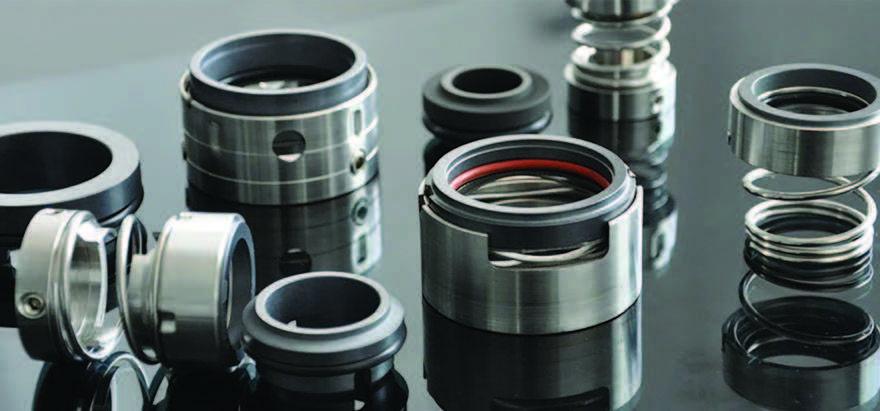
A mechanical seal bearing may not be the largest component in rotating equipment, but it often determines how reliably the entire system performs. Whether used in industrial pumps, automotive water pumps, or other rotating machinery, the right bearing and sealing system helps reduce friction, prevent leaks, and support smooth operation.
Ironically, most failures do not happen because the component is poorly designed. They happen because of preventable mistakes during selection, installation, or maintenance.
The good news? Most of these problems have practical solutions.
If you want your mechanical seal bearing to deliver longer service life and consistent performance, avoid these common mistakes.
1. Choosing the Wrong Bearing for the Application
Not every bearing suits every operating condition.
Load, speed, temperature, shaft size, and the working environment all influence bearing performance. Selecting a bearing based only on dimensions often leads to premature wear.
Always review the equipment manufacturer's specifications before purchasing a replacement.
A bearing that fits physically may still be the wrong engineering choice.
2. Ignoring Seal Compatibility
The seal protects the bearing from contamination while helping retain lubricant.
If the sealing material cannot handle the operating temperature, pressure, or fluid, it may fail long before the bearing does.
Manufacturers such as SKF and Schaeffler recommend matching seal materials to the operating environment instead of relying on a universal solution.
Think of it like wearing winter boots to the beach. They work, just not where you need them.
3. Poor Lubrication Practices
Lubrication remains one of the most important factors in bearing life.
Too little grease increases friction.
Too much grease creates excess heat.
Using the wrong lubricant can also reduce performance.
Follow the lubricant type and service interval recommended by the equipment manufacturer or bearing supplier.
Lubrication is simple maintenance that prevents expensive repairs.
4. Allowing Contamination During Installation
Dust, dirt, moisture, and metal particles are among the biggest enemies of a mechanical seal bearing.
Even tiny contaminants can damage rolling elements or sealing surfaces.
Before installation:
- Clean the work area.
- Use clean tools.
- Protect new components from unnecessary exposure.
- Store bearings in their original packaging until needed.
A clean installation today helps prevent failures tomorrow.
5. Using Incorrect Installation Tools
Bearings require controlled installation.
Applying force through the wrong ring or striking the bearing with a hammer can create internal damage before the machine even starts.
Professional workshops use bearing presses, induction heaters, or dedicated mounting tools to ensure proper alignment.
Precision always beats force.
6. Ignoring Shaft and Housing Wear
A new mechanical seal bearing cannot compensate for worn equipment.
If the shaft has scoring, corrosion, or excessive wear, the bearing may not seat correctly.
Likewise, a damaged housing can create misalignment that shortens bearing life.
Inspect surrounding components before installing new parts.
Replacing only the bearing rarely solves an underlying mechanical problem.
7. Running Equipment Out of Alignment
Misalignment increases stress across both the bearing and the seal.
That extra load creates:
- Higher operating temperatures
- Increased vibration
- Faster wear
- Reduced seal performance
Routine alignment checks help improve equipment reliability while reducing maintenance costs.
Machines appreciate accuracy just as much as engineers do.
8. Ignoring Early Warning Signs
A bearing rarely fails without sending signals.
Watch for:
- Unusual vibration
- Grinding or squealing noises
- Fluid leakage
- Rising operating temperature
- Excessive shaft movement
Early action often prevents secondary damage and costly downtime.
Ignoring these symptoms is like ignoring the fuel warning light and hoping the car learns to run on optimism.
9. Buying Only on Price
Everyone likes saving money.
No maintenance manager enjoys repeat repairs.
Low-quality bearings or seals may not deliver the dimensional accuracy, material quality, or durability required for demanding applications.
Reliable manufacturers invest in precision machining, quality testing, and material control because those factors directly affect performance.
Long-term value almost always beats short-term savings.
10. Skipping Preventive Maintenance
Waiting until equipment fails rarely saves money.
Preventive maintenance allows technicians to monitor:
- Lubrication condition
- Seal integrity
- Bearing temperature
- Vibration levels
- Equipment alignment
Routine inspections help identify small issues before they become expensive failures.
11. Choosing an Inexperienced Supplier
A good supplier offers more than inventory.
They also provide:
- Technical support
- Product recommendations
- Cross-reference assistance
- Genuine products
- Application guidance
For industrial buyers and automotive distributors, knowledgeable suppliers reduce purchasing mistakes and improve customer satisfaction.
Good advice often costs nothing.
Bad advice can cost an entire production shift.
12. Forgetting That Bearings and Seals Work Together
Many buyers focus only on the bearing.
Others focus only on the seal.
In reality, both components operate as a system.
If either component performs poorly, overall reliability suffers.
Choosing compatible, high-quality parts helps improve efficiency, reduce downtime, and extend equipment life.
Treat the bearing and seal as teammates, not strangers sharing the same machine.
Why Proper Selection Matters
A mechanical seal bearing operates under constant mechanical stress.
Its reliability depends on several factors working together:
- Correct bearing selection
- Compatible sealing materials
- Proper lubrication
- Clean installation
- Accurate alignment
- Regular maintenance
Ignoring one of these factors increases the risk of premature failure.
That is why leading manufacturers emphasize complete system reliability rather than focusing on a single component.
Practical Advice for B2B Buyers
If your business supplies bearings or industrial spare parts, technical knowledge creates lasting customer trust.
Instead of selling only a product, help customers choose the correct solution.
Provide:
- Accurate specifications
- Genuine products
- Cross-reference information
- Technical documentation
- After-sales support
Customers value suppliers who solve problems instead of creating them.
That trust often leads to repeat business and stronger long-term relationships.
Final Thoughts
A mechanical seal bearing may appear to be a small component, but it plays a major role in keeping rotating equipment efficient and reliable.
Most failures result from preventable issues such as contamination, poor lubrication, incorrect installation, misalignment, or selecting the wrong component—not because the bearing itself is defective.
Whether you manage industrial equipment, maintain automotive systems, or supply spare parts, investing in quality components and following proven maintenance practices helps reduce downtime, improve performance, and lower operating costs.
The best bearing is the one that works quietly, performs consistently, and gives you one less thing to worry about.

 Arabic
 French
 Spanish
 Portuguese
 Deutsch
 Turkish
 Dutch
Dutch
 Italiano
 Russian
 Romaian
 Portuguese (Brazil)
 Greek
Greek
 Bengali