


The Long-Term Benefits of Choosing Autologous Fat Over Artificial Fillers
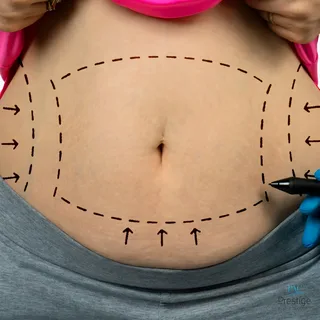
Choosing between autologous fat transfer surgery riyadh and artificial dermal fillers is a common dilemma in aesthetic medicine. While both aim to restore volume, they differ significantly in terms of longevity, maintenance, and biological interaction.
1. Longevity: The Primary Differentiator
-
Autologous Fat: Once the transferred fat cells successfully establish a blood supply in the recipient site (typically within 3–6 months), they become permanent, living tissue. While a portion (usually 30–50%) may be naturally reabsorbed by the body in the months following surgery, the remaining fat cells are permanent and will last for years, often indefinitely.
-
Synthetic Fillers: Most fillers (like hyaluronic acid) are temporary. They are gradually metabolized by the body over time, typically requiring repeat treatments every 6–24 months to maintain the desired volume.
2. Natural Appearance and Feel
-
Biocompatibility: Because fat grafting uses your own tissue, there is virtually zero risk of allergic reaction or rejection. The transferred fat integrates seamlessly with surrounding tissues, providing a soft, organic texture that moves and ages with your face.
-
Natural Aging: Transferred fat behaves just like the existing fat in your body. It will naturally expand or contract if your overall body weight fluctuates. While this means you must maintain a stable weight to preserve your results, it also ensures that the volume remains in harmony with the rest of your aging face.
3. Added Benefits: Skin Quality
A unique advantage of fat transfer is the presence of adipose-derived stem cells and growth factors within the harvested fat. Many patients report improvements in skin texture, tone, and elasticity in the treated areas, as these biological components can help stimulate collagen production—a benefit not provided by standard synthetic fillers.
4. Comparison at a Glance
| Feature | Autologous Fat Transfer | Synthetic Dermal Fillers |
| Longevity | Potentially permanent | Temporary (6–24 months) |
| Maintenance | Low (usually no repeat needed) | High (regular repeat sessions) |
| Material | Your own natural fat | Synthetic/manufactured substances |
| Safety | No risk of allergy/rejection | Low risk of reaction/adverse events |
| Skin Benefits | Improves texture & collagen | Adds volume only |
| Recovery | Invasive (requires liposuction) | Non-invasive (minimal downtime) |
| Initial Cost | Higher (surgical procedure) | Lower (per-session cost) |
5. Which is Right for You?
-
Choose Fat Transfer if: You are seeking a long-term, potentially permanent solution, prefer using your own natural tissue, and are willing to undergo a minor surgical procedure with a longer recovery time. It is particularly effective for comprehensive volume restoration (e.g., cheeks, temples, jawline).
-
Choose Fillers if: You prefer a non-invasive approach with immediate results, have a "test-drive" mentality, or require very precise, localized adjustments (e.g., fine-tuning lips or specific deep lines) that do not warrant a surgical harvest.
Strategic Combination: Many patients choose a hybrid approach. They may use fat transfer to build a foundational "base" of volume for long-term results, and then use small amounts of fillers for minor, customizable refinements or to address specific fine lines as needed.
Would you like to discuss the specific aesthetic areas—such as facial rejuvenation or body contouring—that you are considering, so I can provide more tailored information?

 Arabic
 French
 Spanish
 Portuguese
 Deutsch
 Turkish
 Dutch
Dutch
 Italiano
 Russian
 Romaian
 Portuguese (Brazil)
 Greek
Greek
 Bengali