


The Art of the Look: Exploring Gucci Bag Dupes and the World of Designer-Inspired Style
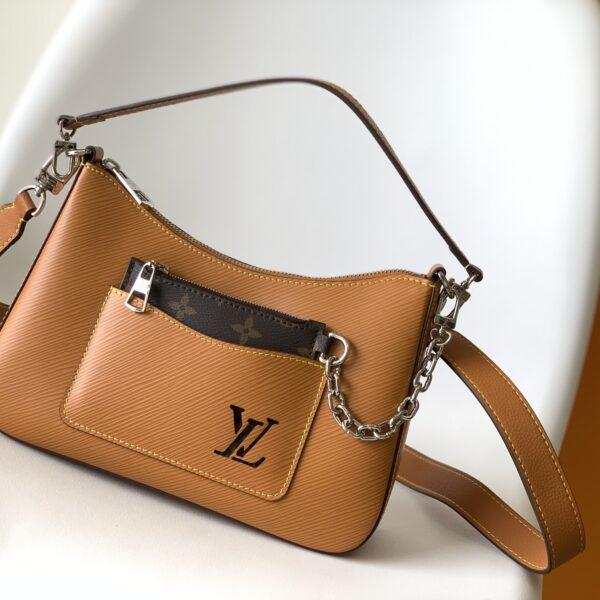
There is something undeniably magnetic about the interlocking GG logo. It speaks of heritage, of Florentine craftsmanship, of a legacy that began in 1921 when Guccio Gucci first opened his doors. Over a century later, the name Gucci remains synonymous with luxury, extravagance, and an unmistakable Italian flair that has captivated fashion enthusiasts across generations. From the red carpets of Hollywood to the bustling streets of Milan, Gucci's handbags, shoes, wallets, belts, jewelry, watches, and hats have become more than mere accessories—they are statements of identity, markers of taste, and emblems of a certain kind of cultural cachet.
Yet for every fashion lover who dreams of owning a piece of this legacy, there is a stark reality: the price of admission is steep. A single Gucci Marmont bag can command upwards of $2,000, while the iconic Ophidia and Dionysus lines often exceed $2,500. The Jackie 1961, the Bamboo 1947, the Horsebit 1955—each carries a four-figure price tag that places them firmly out of reach for many. This is where the concept of gucci bag dupes enters the conversation, offering a bridge between aspiration and accessibility.
The dupe phenomenon is not about deception. It is about interpretation. It is about capturing the visual language of luxury—the quilted textures, the gleaming hardware, the structured silhouettes—without the financial burden that accompanies the authentic article. In 2026, the market for designer-inspired fashion has matured significantly, with brands like Charles & Keith, JW Pei, Melie Bianco, and Rebecca Minkoff producing pieces that echo the spirit of Gucci's most celebrated designs. These are not counterfeits; they are carefully crafted alternatives that pay homage to iconic aesthetics while standing on their own as stylish, functional accessories.
The Gucci Marmont bag serves as perhaps the most compelling case study in the dupe phenomenon. Introduced in 2016 under the creative direction of Alessandro Michele, the Marmont quickly became a cultural touchstone. Its quilted matelassé leather, bold double-G logo, and chain-and-leather strap made it instantly recognizable. Named after the legendary Hotel Chateau Marmont in Los Angeles—a haunt of celebrities and fashion insiders—the bag embodied a perfect fusion of vintage glamour and modern sensibility. Today, the Marmont remains one of Gucci's most sought-after designs, but it has also become one of the most frequently replicated. Affordable alternatives now abound, with options ranging from $39 faux-leather versions to $169 genuine-leather interpretations that capture the bag's essential character without crossing into counterfeit territory.
Beyond the Marmont, Gucci's design vocabulary offers a rich tapestry of inspiration. The Ophidia line, with its signature GG canvas, green-and-red Web stripe, and vintage-inspired Double G logo plaque, represents a nostalgic nod to the brand's equestrian heritage. The Dionysus, with its distinctive tiger-head closure and structured silhouette, channels a mythological grandeur that feels both ancient and utterly contemporary. The Jackie 1961, named for Jacqueline Kennedy Onassis, embodies a timeless elegance that has endured for over six decades. Each of these designs has inspired countless interpretations, from high-street lookalikes to artisanal creations that borrow Gucci's design language while forging their own identity.
But the world of designer-inspired fashion extends far beyond handbags. Gucci's footwear, for instance, has achieved iconic status in its own right. The Princetown loafer, with its plush shearling lining and horsebit detail, has become a staple of contemporary luxury style. The Ace sneaker, adorned with the brand's signature web stripe and embroidery, bridges the gap between sportswear and high fashion. Even the brand's rubber slides, despite their simplicity, carry the unmistakable imprint of Gucci's design ethos. For those seeking the look without the investment, the dupe market offers compelling alternatives—vegan-leather loafers, embellished sneakers, and slide sandals that mirror the proportions and detailing of their luxury inspirations.
Accessories, too, play a vital role in the Gucci aesthetic. The brand's belts, characterized by the iconic double-G buckle, have become perhaps the most recognizable accessory in modern fashion. A Gucci belt can instantly elevate an outfit, cinching the waist of a dress or adding polish to a pair of high-waisted trousers. Yet the price point—often exceeding $500 for the leather version—places it firmly in the luxury category. Designer-inspired alternatives now offer the same silhouette and buckle detail at a fraction of the cost, allowing fashion enthusiasts to achieve the same visual impact without the same financial commitment.
Wallets and small leather goods represent another entry point into the world of Gucci-inspired style. The brand's cardholders, coin purses, and continental wallets carry the same attention to detail as their larger counterparts, with the GG monogram appearing in embossed leather, coated canvas, and metallic finishes. For those who appreciate the tactile pleasure of a well-crafted accessory but balk at the luxury price tag, the dupe market offers a wealth of options—from minimalist cardholders to statement-making wallets that echo Gucci's distinctive aesthetic.
Jewelry and watches occupy a unique space within the Gucci universe. The brand's timepieces, often featuring the interlocking G motif on the dial or bracelet, combine Swiss precision with Italian design flair. Gucci's jewelry collection—ranging from bold signet rings to delicate necklaces—extends the brand's visual language into the realm of personal adornment. Here too, the dupe market has flourished, offering pieces that capture the essence of Gucci's design vocabulary through similar shapes, finishes, and proportions. The key distinction, as with all designer-inspired pieces, lies in the materials and craftsmanship—qualities that discerning shoppers can evaluate through careful observation.
Hats, perhaps the most understated of Gucci's accessory offerings, nonetheless carry the brand's unmistakable stamp. From baseball caps emblazoned with the GG logo to bucket hats featuring the signature web stripe, Gucci's headwear represents a subtle yet powerful expression of brand affiliation. Designer-inspired alternatives allow fashion enthusiasts to incorporate this element of the Gucci aesthetic into their wardrobe without the premium pricing that accompanies the authentic article.
The rise of the dupe market reflects broader shifts in consumer behavior and fashion culture. Today's shoppers are more discerning, more informed, and more conscious of value than ever before. They understand that style is not exclusively the province of those who can afford luxury prices. They recognize that the visual language of fashion—the proportions, the silhouettes, the finishes—can be appreciated and incorporated regardless of budget. This is not about settling for less; it is about making intentional choices that align with personal values and financial realities.
For those navigating the world of gucci bag dupes and designer-inspired accessories, discernment is essential. The difference between a well-crafted dupe and a poorly made imitation often comes down to the details. Quality hardware should feel substantial, with a weight and finish that suggests durability rather than disposability. Stitching should be neat, even, and consistent, reflecting the precision that characterizes luxury craftsmanship. Materials should feel appropriate to their purpose—leather that softens with use, canvas that wears gracefully, hardware that resists tarnishing. These are the markers of a piece that has been created with care, regardless of the label it carries.
The distinction between a dupe and a counterfeit is also worth understanding. A dupe is inspired by a designer's aesthetic but does not attempt to pass itself off as the authentic article. It may echo the silhouette, the hardware placement, or the color palette of a luxury piece, but it does so without infringing on trademarks or deceiving consumers. A counterfeit, by contrast, is an intentional imitation designed to mislead. The dupe market operates in the space between inspiration and imitation, offering style-conscious consumers a legitimate path to the looks they love.
Authenticity, in this context, becomes a matter of personal definition. For some, authenticity means owning the genuine article—the product of a specific heritage, crafted from specific materials, bearing a specific label. For others, authenticity means expressing personal style in a way that feels true to their identity and circumstances. Both perspectives are valid. The growing acceptance of designer-inspired fashion reflects a cultural shift toward a more inclusive understanding of style—one that values creativity, self-expression, and accessibility alongside tradition and prestige.
The global market for premium fashion accessories continues to expand, driven by increasing consumer interest in personal style and self-expression. Handbags, shoes, wallets, belts, jewelry, watches, and hats represent not just functional items but extensions of identity—ways of communicating taste, status, and personality without words. The dupe market has emerged as a response to the growing demand for these items at accessible price points, offering consumers a broader range of choices than ever before.
As we look toward the future of fashion, it seems likely that the dupe phenomenon will continue to evolve. Advances in materials science are producing synthetic leathers and textiles that increasingly mimic the look and feel of luxury materials. E-commerce platforms are making it easier than ever for consumers to discover and compare designer-inspired options. Social media is democratizing fashion criticism, allowing everyday consumers to share their experiences and insights with a global audience. All of these trends point toward a fashion landscape that is more diverse, more accessible, and more responsive to consumer preferences than ever before.
The appeal of gucci bag dupes and designer-inspired accessories ultimately lies in their ability to bridge two worlds: the aspirational world of luxury fashion and the practical world of everyday life. They allow fashion enthusiasts to participate in the cultural conversation that surrounds iconic brands without the financial barriers that have historically excluded so many. They demonstrate that style is not a commodity to be purchased but a sensibility to be cultivated—a way of seeing and presenting oneself that transcends price tags and labels.
In the end, the choice between an authentic Gucci piece and a designer-inspired alternative is a personal one. There is no universal right answer, only the answer that feels right for each individual at each moment. What matters is not the label on the bag but the confidence with which it is carried—the knowledge that style is not about what you own but about how you wear it. The dupe market, at its best, empowers consumers to make that choice with their eyes open, understanding both the inspiration behind a piece and the value it represents.
For those who appreciate the artistry of Gucci's designs but seek a more accessible path to the look, the world of designer-inspired fashion offers a wealth of possibilities. From handbags that capture the spirit of the Marmont to shoes that echo the elegance of the Princetown, from belts that channel the iconic double-G to jewelry that reflects the brand's bold aesthetic, the options are as diverse as the individuals who wear them. The key is to approach this world with curiosity, discernment, and a clear sense of personal style—to seek pieces that resonate not because of the name they carry but because of the way they make you feel.
Final Thoughts
The conversation around gucci bag dupes and designer-inspired accessories is ultimately a conversation about value—not just financial value, but the value of self-expression, the value of accessibility, and the value of personal style. In a world where fashion can sometimes feel exclusive and unattainable, the dupe market offers a refreshing alternative: a way to engage with the aesthetics of luxury without the barriers that have traditionally accompanied them. Whether you choose to invest in an authentic Gucci piece or explore the world of designer-inspired alternatives, what matters most is that your choices reflect your own sense of style and your own understanding of what fashion means to you. After all, the most luxurious accessory you can wear is confidence—and that, unlike any handbag or pair of shoes, is something no price tag can ever buy.

 English
 French
 Spanish
 Portuguese
 Deutsch
 Turkish
 Dutch
Dutch
 Italiano
 Russian
 Romaian
 Portuguese (Brazil)
 Greek
Greek
 Bengali