


The Therapeutic Potential of TB-500 and BPC-157
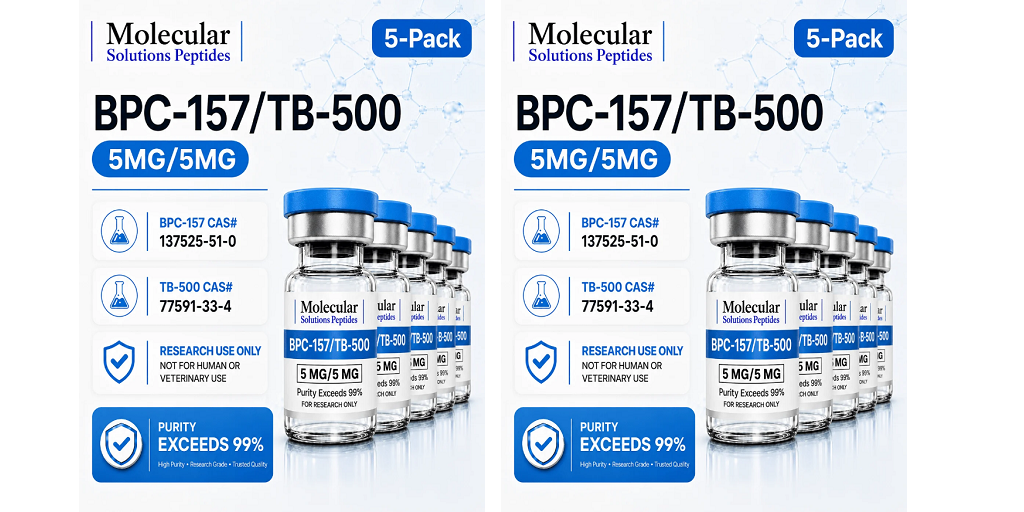
Interest in TB-500 and BPC-157 has grown significantly in recent years, particularly among athletes, fitness enthusiasts, and individuals looking for ways to support recovery after injury. These peptides are often discussed together because they are believed to play complementary roles in tissue repair and recovery processes. While many users report positive experiences, it is important to remember that these compounds are still being studied, and many of the claims surrounding them have not been fully confirmed through large-scale human research.
What is TB-500 and BPC-157?
This is a synthetic peptide based on a naturally occurring protein sequence found within the body. It has attracted attention because of its potential role in supporting the healing of muscles, tendons, ligaments, and the digestive tract. Much of the available research has been conducted in laboratory and animal settings, where investigators observed encouraging effects on tissue recovery. But translating those findings into proven clinical benefits for humans requires much more study.
TB-500, a synthetic version of a naturally occurring peptide known as thymosin beta-4, is often explored for its potential influence on cell movement, tissue regeneration, and recovery following physical stress. Researchers have examined its possible role in wound healing and repair mechanisms, making it a popular topic in performance and wellness communities. But like BPC-157, human data remains limited.
Cycling Peptides and Long-Term Use
When people discuss cycling these peptides, the goal is generally to avoid continuous long-term use. Many users prefer structured periods of use followed by breaks. The reasoning behind this approach is that periodic pauses may help prevent overreliance on external compounds while allowing the body's natural regulatory systems to function normally. Since there is no universally accepted protocol supported by extensive clinical evidence, cycling strategies can vary widely.
A commonly discussed approach involves using the peptides for a defined period, often several weeks or a few months, followed by a break. Some individuals also incorporate regular days off during each week. These pauses are intended to create intervals where the body is not exposed to the peptides. Because research is still evolving, there is no established consensus regarding the ideal duration, dosage, or cycling schedule.
Anyone considering peptides should consult a qualified healthcare professional before starting. Proper use begins with caution. Medical history, existing conditions, medications, and individual health goals can all influence whether a particular approach is appropriate. Using these without guidance can increase the risk of unwanted effects or overlooking underlying health concerns.
And as for dosage, more is not always better. Starting conservatively allows individuals and healthcare providers to evaluate tolerance and response before making adjustments. Recovery goals can differ significantly depending on what you want to address, which could include an acute injury, digestive concerns, or general wellness objectives. As a result, a one-size-fits-all protocol does not exist.
New Research is Still Needed
Examining the current evidence shows why further research is still needed for the use of TB-500 and BPC-157. While laboratory studies and anecdotal reports may appear promising, they cannot replace well-designed human clinical trials. Researchers still need to determine long-term safety, optimal dosing strategies, potential interactions with other therapies, and the effects of prolonged use across different populations.
There are also unanswered questions about how these peptides affect various biological systems over time. Short-term observations may not reveal outcomes that only emerge after years of use. Without extensive human data, healthcare professionals must remain cautious when evaluating both potential benefits and risks.
Scientists will need to devote more attention to understanding these compounds, and until stronger evidence becomes available, individuals should approach peptide use with realistic expectations and careful oversight. While many people are intrigued by the potential of TB-500 and BPC-157, further scientific research remains essential to fully understand their effectiveness, safety profile, and long-term impact on human health.
For more information about Best Websites To Buy Peptides Please visit: Molecular Solutions Peptides.

 Arabic
 French
 Spanish
 Portuguese
 Deutsch
 Turkish
 Dutch
Dutch
 Italiano
 Russian
 Romaian
 Portuguese (Brazil)
 Greek
Greek
 Bengali