


Hair Transplant Aftercare Tips for Better Results
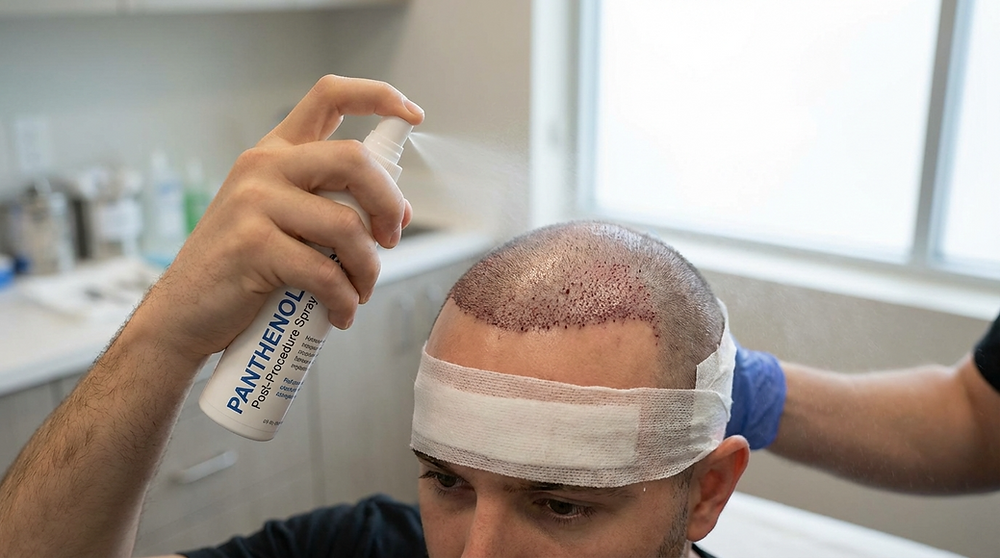
Proper aftercare after a hair transplant in Riyadh is just as important as the procedure itself. Good care helps protect newly implanted grafts, reduces complications, and ensures stronger, more natural hair growth over time—whether you had FUE, DHI, or FUT.
1. Protect the Grafts in the First Few Days
The first 3–5 days are the most critical period.
- Avoid touching or scratching the scalp
- Do not rub the transplanted area
- Sleep with your head elevated (30–45° angle)
- Avoid direct contact with pillows on grafts
Early aftercare: protecting newly implanted follicles to ensure proper graft attachment and survival\text{Early aftercare: protecting newly implanted follicles to ensure proper graft attachment and survival}Early aftercare: protecting newly implanted follicles to ensure proper graft attachment and survival
2. Follow Proper Washing Instructions
Washing is essential but must be very gentle:
- Start washing only when your doctor allows (usually after 48–72 hours)
- Use mild, doctor-recommended shampoo
- Do not apply direct water pressure
- Let foam or water run gently over the scalp
3. Avoid Physical Activity
For at least 10–14 days:
- No gym workouts or heavy lifting
- Avoid sweating excessively
- No running or intense exercise
- Avoid bending your head down frequently
Sweating can increase infection risk and affect healing.
4. Protect Your Scalp from Sunlight
- Avoid direct sun exposure for 2–4 weeks
- Wear a loose hat if going outside (only if allowed by doctor)
- UV rays can irritate healing skin
5. Avoid Smoking and Alcohol
Smoking and alcohol can:
- Reduce blood flow to follicles
- Delay healing
- Lower graft survival rate
It is strongly recommended to avoid them for at least 2 weeks.
6. Take Prescribed Medications
Doctors in Riyadh usually prescribe:
- Antibiotics (to prevent infection)
- Anti-inflammatory drugs (to reduce swelling)
- Pain relief medication (if needed)
Always complete the full course as instructed.
7. Expect and Manage Shedding (Normal Phase)
- Transplanted hair may fall out after 2–4 weeks
- This is normal and temporary
- Follicles remain active under the skin
Shock loss: temporary shedding phase after hair transplant while follicles remain intact and active\text{Shock loss: temporary shedding phase after hair transplant while follicles remain intact and active}Shock loss: temporary shedding phase after hair transplant while follicles remain intact and active
8. Avoid Hair Products Early On
For at least 3–4 weeks:
- Avoid gels, sprays, and wax
- Do not use harsh chemical shampoos
- Avoid hair dye or coloring
9. Maintain a Healthy Diet
Good nutrition supports faster healing:
- Protein-rich foods (eggs, fish, chicken)
- Vitamins (especially Biotin, Vitamin D, Zinc)
- Plenty of water for hydration
10. Attend Follow-Up Appointments
Regular check-ups help:
- Monitor graft survival
- Track healing progress
- Adjust medications if needed
- Ensure optimal results
Final Thoughts
Hair transplant aftercare is essential for achieving the best possible results. Careful handling in the first few weeks, combined with healthy lifestyle choices, significantly improves graft survival and ensures natural, dense, and long-lasting hair growth.

 Arabic
 French
 Spanish
 Portuguese
 Deutsch
 Turkish
 Dutch
Dutch
 Italiano
 Russian
 Romaian
 Portuguese (Brazil)
 Greek
Greek
 Bengali