


Cosmetic Surgery in Dubai: Trends and Future Outlook
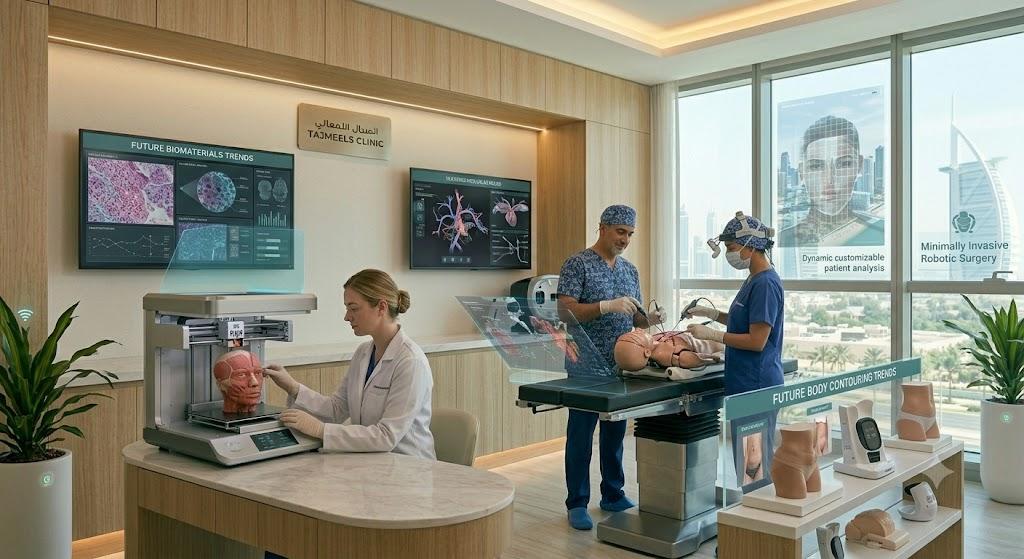
As we move through 2026, the aesthetic landscape is undergoing a profound transformation. Patients are increasingly moving away from dramatic, "over-corrected" appearances toward a philosophy of preservation and quiet luxury. Cosmetic surgery in Dubai has become a global bellwether for this shift, prioritizing natural harmony, regenerative science, and patient-specific longevity. Understanding these evolving trends is vital for anyone considering an aesthetic journey, as it ensures your goals align with the most effective, science-backed practices currently available.
The 2026 Shift: Natural, Regenerative Beauty
The defining theme of this year is "stealth aesthetics"—surgical results that look so natural they are effectively undetectable. The goal is no longer to look "different," but to look like the most vibrant, refreshed version of yourself.
Anatomy-First and Preservation Techniques
The industry is doubling down on "anatomy-first" surgery. Rather than stretching skin or adding excessive volume, surgeons are focusing on restoring the natural framework of the face and body.
-
Preservation Rhinoplasty: This technique retains the underlying nasal structure, modifying it for balance rather than removing essential support.
-
Deep-Plane Facelifts: By working at a structural level rather than just the skin, surgeons can achieve lifts that appear effortless and last significantly longer without the "pulled" look of the past.
The Rise of Regenerative Aesthetic Surgery
Regenerative tools have moved from experimental add-ons to standard practice. Incorporating exosomes, PRF (platelet-rich fibrin), and autologous fat grafting allows for:
-
Improved Skin Quality: Beyond just lifting or tightening, these tools enhance skin elasticity, texture, and resilience.
-
Natural Volume Restoration: Using your own harvested fat provides a more organic and durable solution to volume loss compared to synthetic fillers.
Addressing the "GLP-1 Makeover" Phenomenon
With the widespread use of weight-loss medications like GLP-1 agonists, a new category of patient has emerged in 2026. Rapid weight loss often leads to "facial deflation" and loose skin on the body, creating a specific demand for reconstructive aesthetic care.
Structural Restoration for the Face
Many patients are turning to fat transfer to restore the youthful "plumpness" lost during rapid weight reduction. This helps avoid the gaunt, aged appearance that can sometimes accompany significant fat loss.
Advanced Body Contouring
For the body, the trend has shifted toward surgical skin removal and targeted tightening. Procedures like the circumferential body lift, arm lifts (brachioplasty), and thigh lifts are essential for patients looking to refine their silhouette after achieving their weight-loss milestones.
Why Personalized, Integrated Plans Dominate
The "standard menu" of services is being replaced by hyper-personalized, hybrid treatment plans.
Bridging Surgical and Non-Surgical Paths
Modern care bridges the gap between invasive surgery and non-invasive maintenance. For example, a surgical facelift might be complemented by periodic energy-based skin tightening (like Radiofrequency or CO2 laser) to maintain the quality of the skin as you age.
The Holistic Aftercare Standard
In 2026, recovery is viewed as a critical part of the surgical outcome. Leading clinics now offer comprehensive recovery pathways, including:
-
Nutritional Support: Optimizing your body's healing potential from the inside out.
-
Climate-Adapted Protocols: Managing incision health in environments like Dubai, where temperature and humidity must be carefully navigated during the healing phase.
-
Concierge Monitoring: Providing patients with ongoing, expert-led support long after they leave the surgical suite.
Frequently Asked Questions
What does "stealth aesthetics" mean in 2026?
It refers to results that are subtle, natural, and harmonious with your unique features. The goal is to look refreshed, not "operated on."
Are breast implants still popular?
Yes, but preferences have shifted toward smaller, more proportionate, and "athletic" silhouettes. Many patients are also opting for "hybrid" augmentations that combine smaller implants with fat transfer for a more natural feel.
Why is everyone talking about fat grafting?
Fat grafting is the "gold standard" for volume because it uses your own living tissue. It offers dual benefits: immediate structural restoration and long-term skin health improvements via the stem cells present in the fat.
What is the advantage of early-intervention surgery?
Performing subtle, "maintenance" surgeries in your 40s—rather than waiting for severe laxity in your 60s—allows for smaller incisions, faster recovery, and more natural, long-lasting outcomes.
How do I choose the right surgeon for these trends?
Look for specialists who focus on anatomy-preservation and have documented experience with regenerative techniques. A true expert will prioritize your long-term health and natural appearance over aggressive changes.
Do I need to be off weight-loss medication before surgery?
Yes. It is standard practice to pause the use of GLP-1 medications for at least two weeks before and after surgery to ensure safe anesthesia and healing.
How do I start planning my aesthetic journey?
Begin with a professional consultation where you can discuss your goals, review your medical history, and explore whether a surgical or hybrid (surgical + non-surgical) approach is the safest route for you.
To explore your options with a team that stays at the forefront of global trends and prioritizes your long-term aesthetic health, we invite you to book a consultation at Tajmeels Clinic.

 Arabic
 French
 Spanish
 Portuguese
 Deutsch
 Turkish
 Dutch
Dutch
 Italiano
 Russian
 Romaian
 Portuguese (Brazil)
 Greek
Greek
 Bengali