


Achieving Symmetry: How Ear Reshaping Works for Riyadh Residents
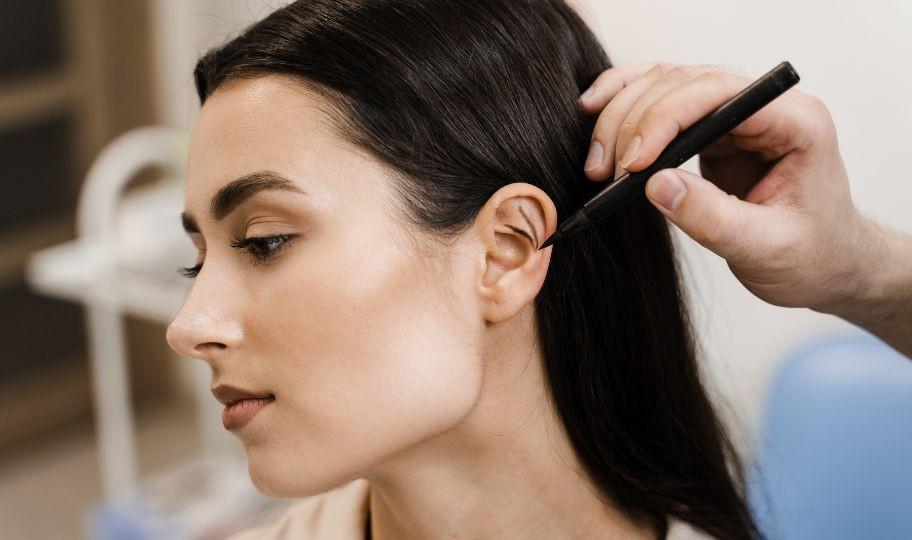
Achieving Symmetry: How Ear Reshaping Works for Riyadh Residents
For many, the quest for facial balance is a deeply personal journey, and for those who perceive a lack of harmony in their facial features, Ear Reshaping in Riyadh offers a refined solution. Achieving symmetry is often the primary motivator for individuals seeking otoplasty, as even minor variations in ear size, shape, or protrusion can become a significant point of self-consciousness. Modern surgical techniques allow for precise adjustments, enabling surgeons to bring balance to the face while maintaining the natural, unique characteristics of the patient’s features.
The Importance of Facial Balance
The human face is naturally asymmetrical; however, the ears often serve as a focal point that can exaggerate perceived imbalances. When one ear protrudes more than the other, or when there is a noticeable difference in the curvature of the cartilage, it can draw disproportionate attention. The goal of symmetry-focused otoplasty is not to create two identical mirrors of one another—which is rarely possible or natural—but rather to create a harmonious proportion that allows the ears to sit naturally within the context of the face.
Analyzing the Anatomy
Before any surgical intervention, a detailed anatomical analysis is conducted. The surgeon evaluates several key factors:
-
The Antihelical Fold: The strength and definition of this fold determine how much the ear curls forward. If this fold is weak on one side but present on the other, it creates an immediate appearance of asymmetry.
-
Conchal Depth: The deep bowl of the ear can vary in size. If one conchal bowl is deeper than the other, it can cause one ear to project further from the side of the head.
-
Ear Axis and Rotation: The angle at which the ears set on the head is vital for perceived symmetry. Even a slight tilt can make one ear appear higher or lower than its counterpart.
The Surgical Strategy for Symmetry
Achieving balance requires a bespoke approach. In many cases, the surgeon will perform different techniques on each ear to ensure the final result is visually consistent. This is the hallmark of a skilled practitioner: treating each side as an independent anatomical challenge rather than applying a "one-size-fits-all" solution.
Precision Sculpting
To achieve a symmetric look, the surgeon may use a combination of cartilage-sparing techniques and structural support. For the ear that requires more correction, the surgeon may employ more extensive cartilage scoring or more aggressive suture placement. Conversely, for the ear that is already closer to the desired shape, the surgeon may use minimal intervention to ensure it aligns perfectly with the newly adjusted side.
The use of internal, non-absorbable sutures is crucial here. These sutures act as "anchors" that hold the cartilage in the new, symmetrical position. Because these sutures are permanent, they ensure that the balance achieved in the operating room is maintained over the long term, preventing the ears from drifting back toward their original, asymmetrical configuration.
The Role of Patient Cooperation
While surgical expertise is the foundation, the outcome is heavily influenced by the patient’s post-operative commitment. Achieving symmetry is a process that continues long after the patient leaves the clinic.
Post-Operative Maintenance
In the weeks following the surgery, the tissues are in a state of remodeling. To ensure that the ears set into their new, symmetrical position, patients are required to follow strict aftercare protocols:
-
Compression Headbands: These are essential for maintaining the symmetry created during surgery. By wearing the headband consistently, especially at night, patients prevent the ears from folding or shifting during sleep.
-
Avoiding Pressure: Unintentional pressure—such as sleeping on one side—can displace the cartilage before it has fully healed. Protecting the ears from any side-sleeping or external force is vital to ensuring that the symmetry remains intact.
Why Riyadh Patients Choose Precision
The growing demand for ear reshaping in the region has led to an emphasis on high-precision aesthetic standards. Patients today expect more than just a reduction in size; they expect a result that looks entirely natural and balanced. Surgeons who specialize in this field understand that the subtle nuances of the ear—the curvature of the rim, the placement of the lobe, and the fold of the cartilage—are what make a person look like themselves, only more refined.
By focusing on the restoration of symmetry, surgeons help patients overcome the distractions of perceived flaws. The result is a profile that feels more balanced and a sense of self-assurance that comes from knowing one's features are in proportion. Whether correcting a minor difference or a more pronounced irregularity, the combination of advanced surgical planning and patient diligence ensures a transformative, symmetrical outcome that lasts a lifetime.

 Arabic
 French
 Spanish
 Portuguese
 Deutsch
 Turkish
 Dutch
Dutch
 Italiano
 Russian
 Romaian
 Portuguese (Brazil)
 Greek
Greek
 Bengali