


What Steps Ensure Proper Pump Setup?
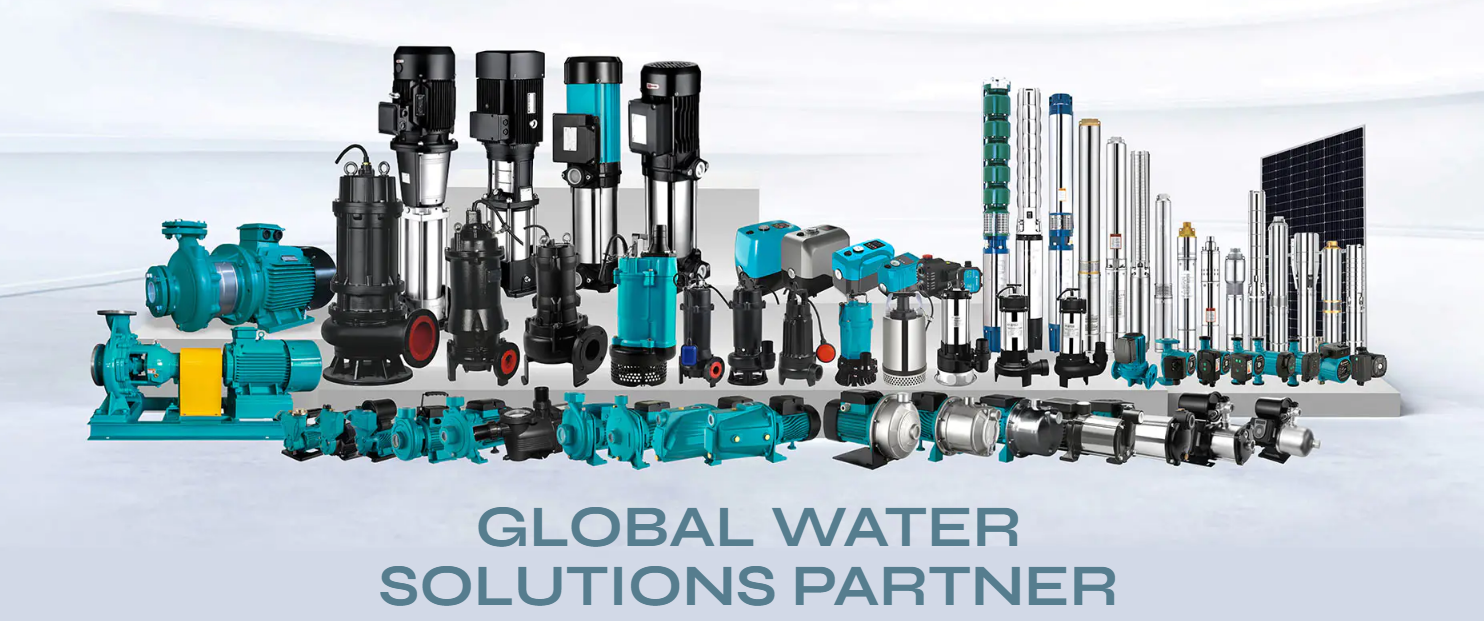
Proper installation of a circulation system is essential for ensuring long-term stability and efficient operation. The Intelligent Circulation Pump requires careful mechanical mounting, hydraulic alignment, and electrical configuration to achieve stable performance.
Installation begins with pipeline preparation. The inlet and outlet pipes must be fully flushed to remove welding slag, rust particles, or debris. Any contamination can damage the impeller or reduce hydraulic efficiency. Recommended pipe diameter typically ranges from DN20 to DN32 depending on system flow requirements.
The pump should be installed in a horizontal position with the motor shaft aligned parallel to the ground. This reduces bearing load and ensures proper lubrication inside the rotor chamber. In wet-rotor designs, system fluid also acts as a cooling medium, so correct orientation is critical.
Electrical installation requires stable voltage input, commonly 220V ±10% for residential models or 380V three-phase for industrial versions. Grounding resistance should remain below 4 ohms to ensure safety and prevent electrical leakage issues.
Before initial startup, the system must be fully filled and air-vented. Air trapped inside the pump housing can cause cavitation, leading to noise, vibration, and reduced flow efficiency. Many systems include an automatic venting mode where the pump briefly runs at 2800–3000 RPM to remove trapped air.
Control wiring depends on system design. Basic installations use onboard control panels with fixed speed settings, while advanced setups connect via analog input (0–10V or 4–20mA signals). These allow external controllers to dynamically adjust pump speed.
Minimum speed settings are typically configured between 25% and 30% of maximum RPM. This ensures adequate motor cooling and prevents unstable hydraulic behavior at extremely low flow conditions.
Mounting vibration dampers is recommended in rigid pipeline systems. These reduce mechanical stress caused by hydraulic pulsation, especially in high-head applications above 6 meters.
After installation, commissioning includes testing three operational modes: constant speed mode, proportional pressure mode, and constant pressure mode. Each mode verifies system response under different hydraulic loads.
Finally, parameter tuning is required. Acceleration time is usually set between 5–10 seconds, while deceleration time ranges from 5–8 seconds to prevent water hammer effects.
A correctly installed Intelligent Circulation Pump ensures stable flow delivery, reduced noise, and extended system lifespan.

 English
 Arabic
 Spanish
 Portuguese
 Deutsch
 Turkish
 Dutch
Dutch
 Italiano
 Russian
 Romaian
 Portuguese (Brazil)
 Greek
Greek
 Bengali