


How Do Engineers Reduce Vibration in Hydraulic Pumps?
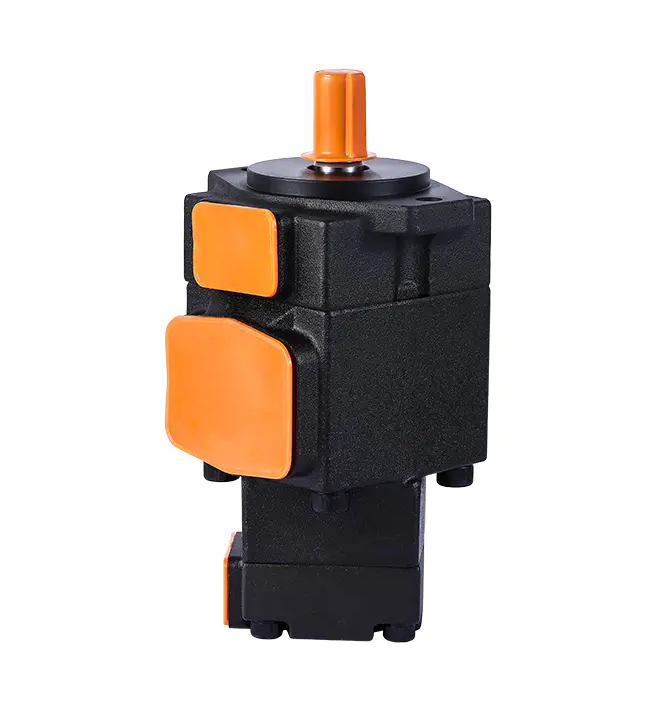
Industrial equipment operates more comfortably and efficiently when hydraulic systems produce stable pressure and moderate noise levels. Pump vibration not only affects workplace conditions but may also shorten component life by increasing mechanical stress.
A PV2R Series Vane Pump is designed with balanced hydraulic forces that contribute to relatively smooth operation. Understanding the factors influencing noise can help maintenance teams improve overall system reliability.
Sources of Hydraulic Noise
Pump noise generally comes from several areas:
Mechanical friction
Fluid pulsation
Bearing movement
Cavitation
Pipe vibration
Each factor contributes differently depending on system design.
Balanced Rotor Structure
The balanced vane mechanism distributes hydraulic pressure across the rotor.
Benefits include:
Reduced shaft loading
Lower bearing stress
Smoother rotation
Controlled vibration
Balanced hydraulic forces help maintain consistent pump operation throughout extended production cycles.
Flow Pulsation
Positive displacement pumps generate pressure waves during operation.
A vane pump produces relatively smooth chamber transitions because multiple vanes continuously transfer oil.
This characteristic helps reduce:
Hydraulic shock
Pipe vibration
Cylinder movement fluctuation
Technical Operating Data
Typical PV2R Series specifications include:
Pressure up to 21 MPa
Speed range 600–1800 rpm
Multiple displacement choices
Open circuit operation
Special hydraulic fluids such as water glycol or phosphate ester may require reduced operating speeds around 1200 rpm.
Cavitation Prevention
Cavitation remains a common source of hydraulic noise.
It may result from:
Small suction pipes
Dirty strainers
Air leakage
Low oil levels
Excessive pump speed
Installation recommendations suggest keeping suction velocity below approximately 1 m/s and avoiding restrictive pipe layouts.
Hydraulic Oil Quality
Oil influences both lubrication and noise control.
Important factors include:
Viscosity
Cleanliness
Temperature
Oxidation resistance
Contaminated oil may increase internal wear and contribute to abnormal sounds.
Pipe Installation
Hydraulic piping should minimize vibration transmission.
Recommended practices:
Secure pipe supports
Flexible hose sections
Smooth bends
Short suction lines
Proper pipe routing reduces resonance throughout the hydraulic circuit.
Bearing Protection
Pump bearings support shaft rotation under hydraulic loads.
Bearing life can benefit from:
Accurate alignment
Clean oil
Controlled loads
Proper lubrication
Abnormal bearing wear often creates vibration and unusual operating sounds.
Industrial Equipment
Low vibration hydraulic pumps are used in:
Injection molding machines
Hydraulic presses
CNC equipment
Cutting machinery
Rubber production lines
Hydraulic stations
Stable hydraulic flow supports machine precision and production consistency.
Routine Inspection
Operators should monitor:
Pressure gauge readings
Oil condition
Pump temperature
Noise changes
Seal leakage
Early detection helps prevent larger maintenance issues.
A Practical Approach to Quiet Operation
A PV2R Series Vane Pump combines balanced internal design with smooth hydraulic flow characteristics. Quiet operation depends not only on pump construction but also on proper installation, suitable hydraulic oil, well-designed suction piping, and regular maintenance. Attention to these details helps industrial hydraulic systems maintain stable performance while reducing unnecessary vibration and mechanical stress.

 English
 Arabic
 French
 Spanish
 Portuguese
 Deutsch
 Turkish
 Dutch
Dutch
 Italiano
 Russian
 Romaian
 Portuguese (Brazil)
 Bengali