


Sanibel Home Builders: Understanding Coastal Residential Construction and Island Development
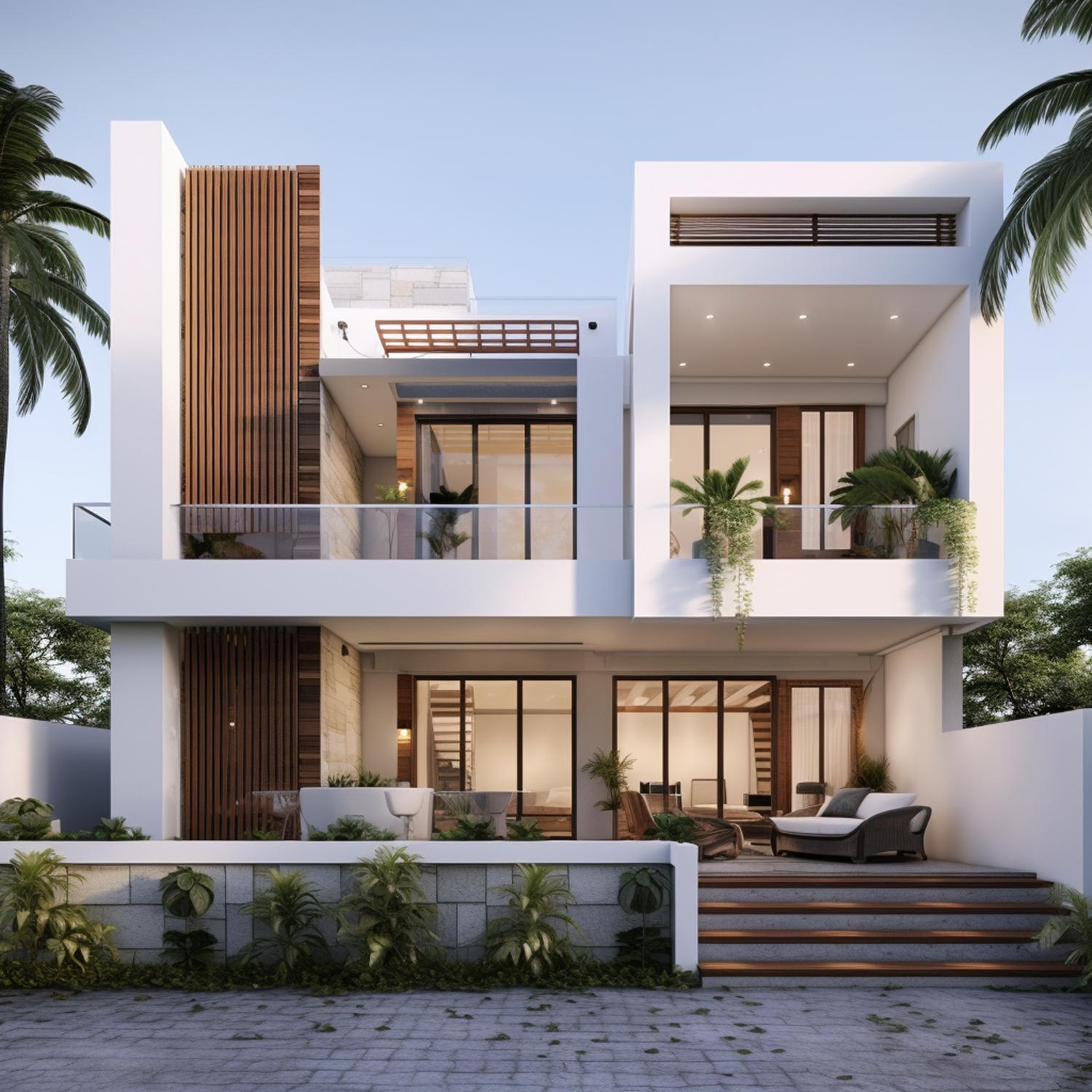
Residential construction on barrier islands requires specialized knowledge, careful planning, and strict adherence to environmental and safety standards. In this context, Sanibel home builders are often referenced when discussing professionals involved in the design, construction, and rebuilding of residential properties on Sanibel Island, located along Florida’s Gulf Coast. The island’s unique geography and environmental sensitivity significantly influence how homes are developed and maintained.
Sanibel Island is known for its coastal landscapes, wildlife habitats, and strict development controls. These factors create a construction environment that differs from inland residential building, requiring a focus on resilience, sustainability, and long-term durability.
Geographic and Environmental Context
Sanibel Island is a barrier island surrounded by the Gulf of Mexico, characterized by low elevation, sandy soil, and a fragile coastal ecosystem. These natural conditions directly affect residential construction practices.
One of the most significant environmental challenges is exposure to salt air. Constant salt exposure can accelerate corrosion in metal components, weaken fasteners, and reduce the lifespan of untreated building materials. As a result, construction in this region often involves materials selected specifically for corrosion resistance.
Humidity is another major environmental factor. High moisture levels can contribute to wood expansion, mold growth, and deterioration of interior finishes if buildings are not properly designed for ventilation and moisture control.
The island is also exposed to seasonal storms, including tropical storms and hurricanes, which can produce high winds, heavy rainfall, and storm surge. These conditions make structural resilience a central focus of residential construction.
Hurricane Risk and Structural Design
Hurricane exposure is one of the most important considerations for Sanibel home builders. Florida’s coastal regions are subject to strict building requirements designed to reduce storm damage and improve safety.
Homes are typically engineered to withstand high wind loads, with reinforced framing systems, impact-resistant windows, and secure roofing structures. Roof shape, anchoring systems, and load distribution are carefully planned to reduce vulnerability during extreme weather events.
Flood risk is also a major concern. Many areas of Sanibel Island are located in flood-prone zones, requiring elevated construction methods. Homes may be built on pilings or raised foundations to reduce exposure to storm surge and rising water levels.
These structural decisions are guided by building codes and floodplain regulations that establish minimum safety requirements for coastal construction.
Building Codes and Regulatory Requirements
Construction on Sanibel Island is governed by a combination of Florida state building codes and local zoning regulations. These codes are designed to ensure safety, environmental protection, and structural integrity in coastal environments.
Sanibel home builders must comply with regulations covering structural design, wind resistance, electrical systems, plumbing, and energy efficiency. Additional requirements apply in environmentally sensitive or flood-prone areas.
The permitting process typically involves multiple stages, including zoning approval, environmental review, engineering evaluation, and final inspections. Each stage ensures that construction projects align with safety standards and community planning goals.
Environmental regulations are particularly important due to the island’s protected ecosystems. Construction projects may be subject to limitations or mitigation requirements to minimize ecological impact.
Architectural Design Considerations
Residential design on Sanibel Island reflects a balance between functionality, resilience, and integration with the natural environment. Homes are often designed to support indoor-outdoor living while maintaining protection against environmental risks.
Open floor plans are commonly used to enhance airflow and create flexible living spaces. Large windows may be included to maximize natural light and coastal views, although these features must be engineered for hurricane resistance.
Roof systems are designed with durability in mind, often incorporating sloped structures and reinforced materials to withstand wind pressure. Proper drainage design is also important to manage heavy rainfall and prevent water accumulation.
Material selection is a key factor in coastal construction. Builders often use moisture-resistant finishes, treated lumber, and corrosion-resistant metals to extend the lifespan of residential structures in salt-heavy environments.
Soil Conditions and Foundation Requirements
Soil conditions on Sanibel Island present additional challenges for construction. The island’s sandy terrain and variable groundwater levels can affect foundation stability.
Before construction begins, site evaluations are typically conducted to assess soil strength and drainage characteristics. In some cases, soil stabilization techniques or specialized foundation systems are required.
Elevated foundations are common in areas with flood risk. Homes may be constructed on pilings or raised platforms to reduce exposure to water damage during storm surge events.
Proper drainage planning is also essential. Without effective water management systems, heavy rainfall and flooding can compromise structural integrity and surrounding landscapes.
Environmental Protection and Land Use
Sanibel Island is known for its rich biodiversity, including mangroves, wetlands, and coastal habitats. These ecosystems play a critical role in shoreline protection and environmental stability.
Because of this ecological importance, construction activities are closely regulated to minimize environmental disruption. Development projects may require environmental impact assessments before approval.
In some cases, construction may be restricted in protected areas or subject to mitigation measures. These measures can include preserving natural vegetation, managing runoff, and limiting land disturbance.
Sustainable construction practices are increasingly important in this environment. These include reducing environmental footprint, using eco-conscious materials, and designing homes that harmonize with the natural surroundings.
Infrastructure and Utility Challenges
Infrastructure development on Sanibel Island presents unique logistical considerations. Utility systems such as water supply, sewage, electricity, and telecommunications must be carefully integrated into construction planning.
Some areas may rely on alternative systems, such as septic tanks, due to limited centralized infrastructure. These systems require proper design and maintenance to function effectively in coastal conditions.
Transportation access is another factor influencing construction. Limited road networks and bridge access can affect material delivery schedules and construction timelines.
Coordination with local service providers is often necessary to ensure that infrastructure needs are met efficiently and in compliance with regulations.
Residential Development Patterns
Residential development on Sanibel Island includes a mix of new construction, reconstruction, and renovation projects. In many cases, rebuilding efforts occur after storm events, where homes are updated or replaced to meet modern building standards.
New homes often incorporate elevated designs, energy-efficient systems, and storm-resistant materials. These features reflect ongoing efforts to improve resilience in coastal housing.
Renovation projects may focus on upgrading older homes to comply with current building codes, improve energy efficiency, or enhance structural durability.
Economic and Community Impact
Sanibel home builders contribute to the local economy through construction-related employment, including architecture, engineering, material supply, and skilled labor. Residential development also supports secondary industries such as retail, services, and infrastructure development.
At the same time, development must be balanced with environmental preservation and community planning. Limited land availability and ecological sensitivity require careful decision-making to ensure sustainable growth.
Island communities often prioritize long-term resilience and environmental protection alongside housing development needs.
Conclusion
Sanibel home builders operate in a highly specialized environment shaped by coastal exposure, environmental regulations, and ecological sensitivity. Residential construction on Sanibel Island requires careful attention to hurricane resistance, flood risk, soil conditions, and environmental preservation.
Through adherence to building codes, thoughtful design practices, and sustainable construction methods, residential development on the island reflects the challenges of building in a fragile coastal ecosystem. Understanding these factors provides insight into how homes are designed and constructed in one of Florida’s most environmentally sensitive coastal regions.

 Arabic
 French
 Spanish
 Portuguese
 Deutsch
 Turkish
 Dutch
Dutch
 Italiano
 Russian
 Romaian
 Portuguese (Brazil)
 Greek
Greek
 Bengali