


Nexgard: Understanding Its Role in Flea and Tick Prevention for Dogs
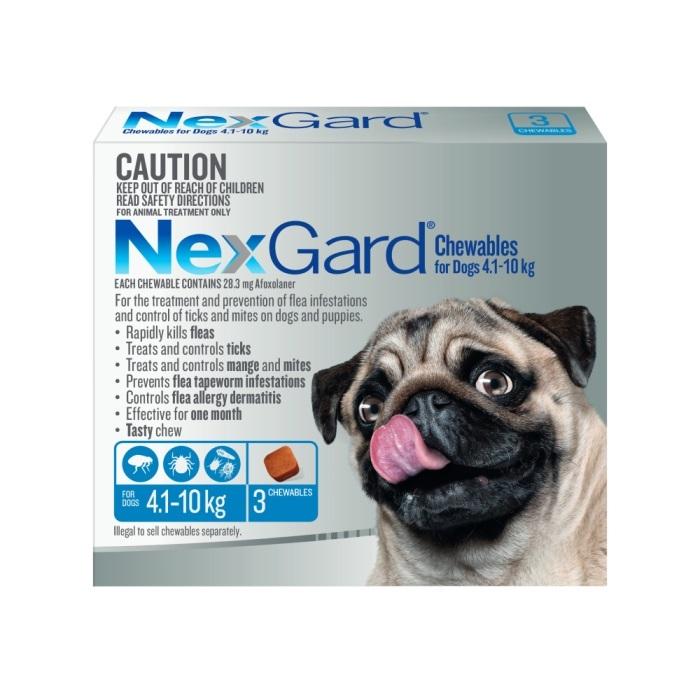
Parasite prevention is an essential component of responsible dog ownership in the United States. Among the many products discussed in veterinary healthcare, Nexgard is frequently associated with flea and tick prevention. As dogs spend time outdoors and interact with various environments, they can become exposed to parasites that affect their health, comfort, and overall quality of life.
Fleas and ticks are common concerns for pet owners across the country. These parasites can cause irritation, contribute to disease transmission, and create challenges within the home environment. Understanding how preventive treatments fit into canine healthcare helps owners make informed decisions regarding their pets' well-being.
Why Flea and Tick Prevention Is Important
Fleas and ticks are more than just seasonal nuisances. They are external parasites capable of affecting dogs throughout the year, depending on geographic location and environmental conditions.
Fleas feed on blood and reproduce rapidly. A small infestation can quickly grow into a larger problem, affecting not only the dog but also the household. Ticks present additional concerns because they may carry pathogens linked to various illnesses.
Veterinarians often emphasize preventive care because addressing infestations after they occur can be more difficult than preventing them in the first place. Consistent parasite control is therefore considered an important part of maintaining canine health.
What Is Nexgard?
Nexgard is commonly discussed as a flea and tick prevention treatment for dogs. It is designed to help eliminate parasites after they come into contact with a treated dog.
The active ingredients work by targeting the nervous system of fleas and ticks. Once exposed, these parasites are unable to survive, helping reduce infestations and limit the risks associated with parasite activity.
Because flea and tick exposure varies depending on lifestyle and location, veterinarians may recommend preventive treatments as part of a comprehensive health management plan.
Understanding Flea Infestations
Fleas are among the most common external parasites affecting dogs in the United States. Although small in size, they can create significant discomfort and health concerns.
Persistent Scratching
One of the earliest signs of a flea problem is excessive scratching. Dogs may repeatedly bite, chew, or lick certain areas of their bodies in response to irritation.
This behavior can lead to inflamed skin and discomfort if the infestation continues.
Flea Allergy Dermatitis
Some dogs are highly sensitive to flea saliva. Even a small number of flea bites can trigger allergic reactions that result in severe itching and skin inflammation.
Symptoms often include:
- Excessive scratching
- Red or irritated skin
- Hair loss
- Skin infections from repeated licking or biting
Flea allergy dermatitis is one of the most common dermatological conditions associated with flea exposure.
Anemia
In severe infestations, particularly among puppies or small dogs, fleas can contribute to blood loss. This may lead to anemia, which can negatively affect a dog's overall health.
Household Spread
Fleas reproduce rapidly. Eggs, larvae, and adult fleas may spread throughout carpets, furniture, and pet bedding, making infestations difficult to control without comprehensive management.
Tick Exposure and Associated Risks
Ticks are another major concern for dog owners. These parasites are commonly found in wooded areas, tall grass, parks, and hiking trails.
Ticks attach themselves to a dog's skin and feed on blood. During this process, some tick species may transmit disease-causing organisms.
Dogs that spend significant time outdoors often face greater exposure risks. However, even dogs with limited outdoor activity can encounter ticks in residential environments.
Because ticks can remain attached for extended periods, regular inspections and preventive care are often recommended.
Factors That Influence Parasite Risk
Several variables affect a dog's likelihood of encountering fleas and ticks.
Geographic Location
Climate plays a major role in parasite populations. Warm and humid areas generally support higher flea activity, while tick populations may thrive in regions with dense vegetation and wildlife.
Different parts of the United States experience varying levels of parasite pressure throughout the year.
Lifestyle and Activity
Dogs that frequently visit parks, trails, campsites, or outdoor recreation areas may face increased exposure. Hunting dogs and working dogs often spend more time in environments where parasites are present.
Contact with Other Animals
Fleas and ticks can spread through interactions with other pets and wildlife. Multi-pet households may experience higher risks if one animal becomes infested.
Seasonal Conditions
Although many people associate fleas and ticks with warmer months, these parasites can remain active year-round in certain regions. Indoor heating and mild winters may also contribute to continued activity.
Monitoring Dogs for Signs of Parasites
Routine observation is an important part of preventive care. Pet owners who regularly check their dogs may identify potential problems before infestations become severe.
Common signs include:
- Frequent scratching
- Excessive grooming
- Hair loss
- Red or irritated skin
- Visible fleas
- Flea dirt in the coat
- Attached ticks
- Behavioral changes related to discomfort
Dogs should also be examined after spending time outdoors, especially in areas where ticks are common.
The Role of Preventive Healthcare
Nexgard is often discussed within the broader framework of preventive veterinary medicine. Preventive healthcare focuses on reducing risks before serious health issues develop.
In addition to parasite management, preventive care often includes:
- Routine veterinary examinations
- Vaccinations
- Nutritional guidance
- Weight management
- Dental care
- Wellness screenings
These practices work together to support long-term canine health and improve quality of life.
Common Misconceptions About Fleas and Ticks
Several misconceptions continue to influence how pet owners view parasite prevention.
Indoor Dogs Are Not at Risk
Many people assume that indoor dogs cannot get fleas or ticks. However, parasites can enter homes through other pets, visitors, clothing, or open doors and windows.
Parasites Only Appear During Summer
While parasite activity often increases during warmer months, many regions experience flea and tick activity throughout the year.
Visible Parasites Are Always Present
Some infestations may go unnoticed in the early stages. Dogs can experience symptoms before owners observe fleas or ticks directly.
Understanding these misconceptions can help encourage more consistent preventive practices.
Conclusion
Nexgard is frequently referenced in discussions about flea and tick prevention for dogs. Parasites remain a common concern throughout the United States, affecting dogs of various breeds, ages, and lifestyles. Fleas can cause skin irritation and household infestations, while ticks may expose dogs to additional health risks.
By understanding parasite exposure, recognizing warning signs, and maintaining preventive healthcare routines, dog owners can better support their pets' overall well-being. Regular veterinary guidance and consistent monitoring remain key elements in protecting dogs from the challenges associated with fleas and ticks.

 Arabic
 French
 Spanish
 Portuguese
 Deutsch
 Turkish
 Dutch
Dutch
 Italiano
 Russian
 Romaian
 Portuguese (Brazil)
 Greek
Greek
 Bengali