


What Are Peptides for Better Health Outcomes?
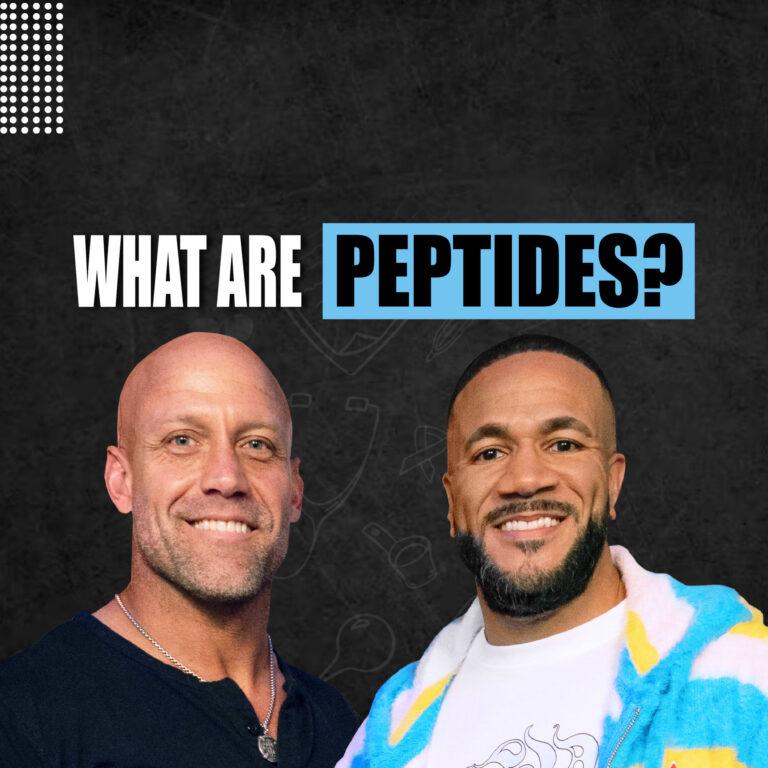
The word "peptide" seems to be everywhere today. From wellness clinics and fitness communities to healthcare discussions and social media, peptides have become one of the most talked-about topics in modern health and longevity.
But despite the growing attention, many people still ask a simple question: What are Peptides, and why are they attracting so much interest?
The answer lies in understanding how our bodies naturally communicate and heal.
What Are Peptides?
What are Peptides? Peptides are short chains of amino acids, which are the building blocks of proteins. They occur naturally in the human body and act as signaling molecules that help cells communicate with one another.
Think of peptides as messengers. They deliver instructions that influence many essential processes, including:
- Tissue repair and healing
- Immune system function
- Hormone production
- Metabolism and energy regulation
- Muscle recovery and growth
- Skin health and collagen production
Because peptides are involved in so many biological processes, researchers and healthcare professionals have become increasingly interested in how they may support better health outcomes.
Why Are Peptides Important?
The body relies on efficient communication between cells to maintain balance and optimal functioning. However, factors such as aging, stress, poor nutrition, lack of sleep, and environmental exposures can affect these signaling pathways.
Imagine trying to have a conversation in a crowded room. The message still exists, but it becomes harder to hear clearly. Similarly, the body's communication systems may become less efficient over time.
This is where peptides have gained attention. Their role in supporting cellular communication may help the body perform essential functions more effectively.
However, peptides are not miracle solutions. Instead, they are one part of a broader approach that includes healthy lifestyle habits, proper nutrition, exercise, and preventive healthcare.
The Growing Interest in Health Optimization
Healthcare is increasingly shifting from simply treating illness to promoting overall wellness and prevention. More people are seeking ways to better understand their bodies before serious health issues develop.
Advanced health assessments, including blood work, metabolic testing, body composition scans, and fitness evaluations, can provide valuable information about an individual's health status.
Data-driven insights help people make informed decisions rather than relying on guesswork. Someone may appear healthy but still have underlying concerns related to metabolism, muscle mass, inflammation, or recovery.
This proactive approach has made conversations about peptides and other wellness strategies more relevant than ever.
Peptides and Weight Management
Public interest in peptides expanded significantly with the popularity of certain weight management therapies. However, reducing the conversation to weight loss alone overlooks the bigger picture.
Better health outcomes involve much more than numbers on a scale.
Many individuals seeking health improvements also want to:
- Increase energy levels
- Improve recovery from exercise
- Support healthy aging
- Enhance sleep quality
- Maintain lean muscle mass
- Improve overall well-being
Sustainable health changes often occur when multiple factors work together, including nutrition, physical activity, sleep, stress management, and appropriate medical guidance.
The Role of Education in Better Health Decisions
One of the biggest challenges in today's digital world is information overload.
Every day, people encounter conflicting health advice online. One person recommends a supplement, another dismisses it, and someone else claims it changed their life entirely.
Without understanding the science and individual health needs, it can be difficult to know which advice to follow.
Education plays a crucial role in making informed decisions. Understanding how the body works empowers individuals to ask better questions and make choices based on evidence rather than trends.
The question, What are Peptides, is not simply about understanding a wellness buzzword. It is about learning how the body's communication systems function and why supporting overall health requires a personalized approach.
Why Are Peptides Sometimes Controversial?
As interest in peptides has grown, so has debate surrounding their use.
Part of the controversy comes from how quickly information spreads online. Complex scientific concepts are often simplified into short videos or marketing messages that fail to provide context.
This can lead to misconceptions.
Some people hear success stories without understanding individual circumstances, while others encounter exaggerated warnings that overlook ongoing scientific research.
Additionally, concerns exist regarding product quality and unregulated sources. Healthcare interventions should never be based solely on social media recommendations or anonymous online products.
Professional guidance and evidence-based information remain essential when evaluating any wellness strategy.
Looking Toward the Future of Health Optimization
Modern healthcare is increasingly focused on prevention, education, and helping people understand how their bodies function.
What are Peptides? At their core, they are naturally occurring molecules that help cells communicate and perform critical functions throughout the body.
While research into peptides continues to evolve, one important lesson remains clear: there is no single shortcut to better health.
The most effective approach combines:
- Proper nutrition
- Regular exercise
- Quality sleep
- Stress management
- Preventive healthcare
- Personalized medical guidance
Peptides may become one valuable tool within this broader framework of health optimization.
Ultimately, better health outcomes are achieved not by chasing the latest trend but by understanding the body's natural processes and creating an environment where it can function at its best.
The conversation around peptides is likely to continue growing, but perhaps the most important question isn't simply, "What are Peptides?"
It is how we can use scientific knowledge, education, and healthy habits to make better decisions for lifelong wellness.
Frequently Asked Questions (FAQs)
1. What are Peptides in simple terms?
Peptides are short chains of amino acids that act as messengers in the body, helping regulate many biological processes.
2. What do peptides do in the body?
Peptides support cellular communication and play roles in healing, metabolism, immune function, hormone regulation, and tissue repair.
3. Are peptides naturally found in the human body?
Yes. The body naturally produces numerous peptides that help maintain normal physiological functions.
4. Can peptides improve overall health?
Peptides may support certain health functions, but better health outcomes typically result from a comprehensive approach that includes nutrition, exercise, sleep, and preventive care.
5. Why are peptides becoming more popular?
Growing interest in preventive health, longevity, and personalized wellness has increased public awareness and research surrounding peptides.

 Arabic
 French
 Spanish
 Portuguese
 Deutsch
 Turkish
 Dutch
Dutch
 Italiano
 Russian
 Romaian
 Portuguese (Brazil)
 Greek
Greek
 Bengali