


Can Forged Wheels Handle Off-Road Stress?
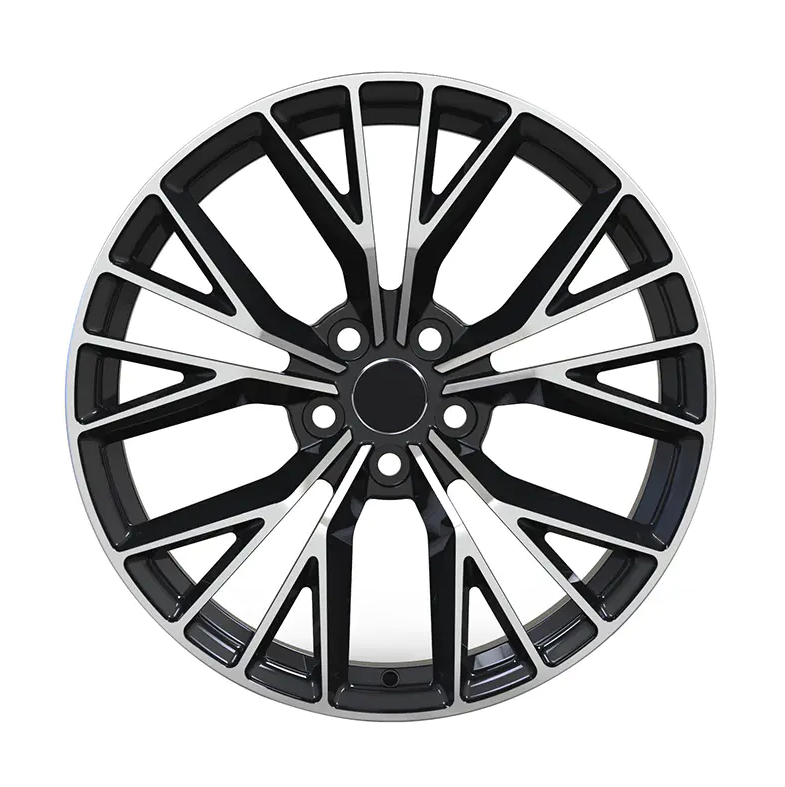
SUV platforms introduce a different set of engineering challenges compared to performance coupes or sedans. Higher curb weight, elevated center of gravity, and variable road conditions require wheels that prioritize load capacity and structural resilience. The Monoblock Forged Wheel is increasingly applied in this segment due to its strength-to-weight efficiency.
SUV wheel loads often exceed 900–1,200 kg per corner depending on vehicle class. This places continuous stress on the wheel barrel and spoke junctions. Forged aluminum, particularly 6061-T6 alloy, provides yield strength in the range of 290–320 MPa after heat treatment, making it suitable for high-load applications.
One of the key advantages is resistance to impact deformation. SUV usage frequently includes potholes, gravel roads, and uneven terrain. Forged wheels tend to absorb impact energy through controlled deformation rather than brittle cracking. This behavior reduces the likelihood of sudden structural failure under shock loading.
Weight reduction also plays a significant role in SUV dynamics. Large SUV wheels, often 20–23 inches in diameter, contribute heavily to unsprung mass. Reducing wheel weight improves suspension articulation and reduces stress on dampers and bushings. A typical Monoblock Forged Wheel may reduce rotational mass by 3–6 kg per wheel compared to cast equivalents of similar size.
This reduction improves braking efficiency as well. Lower rotational inertia decreases stopping distance under identical brake force conditions. This is particularly important for heavy vehicles, where braking loads are significantly higher than in smaller passenger cars.
Thermal behavior is another consideration. SUVs used for towing or long-distance travel generate sustained brake heat. Forged aluminum dissipates heat more efficiently, maintaining structural stability in high-temperature conditions.
Design flexibility also allows forged wheels to support reinforced spoke architecture. Multi-spoke SUV designs often incorporate internal rib structures to distribute load evenly across the rim. This reduces flex under cornering stress, especially in emergency maneuvers.
From a durability perspective, fatigue resistance is a key metric. SUV wheels experience continuous micro-load cycling due to vehicle mass. Forged wheels, with aligned grain structure, handle cyclic stress more effectively than cast alternatives, extending service life under similar driving conditions.
Off-road conditions introduce additional challenges such as rock impacts and torsional stress. While not designed as full off-road rims, forged wheels provide better resilience against repeated shock loads compared to brittle cast designs.
Maintenance considerations remain similar to other forged applications. Inspection after heavy impacts is recommended, as even minor deformation can affect wheel balance at highway speeds.
Overall, the Monoblock Forged Wheel provides a balanced solution for SUVs requiring strength, weight reduction, and consistent structural behavior under variable road conditions.

 English
 Arabic
 French
 Spanish
 Portuguese
 Turkish
 Dutch
Dutch
 Italiano
 Russian
 Romaian
 Portuguese (Brazil)
 Greek
Greek
 Bengali