


Shave Excision: A Minimally Invasive Choice for Skin Lesion Removal in Riyadh
Shave Excision: A Minimally Invasive Choice for Skin Lesion Removal in Riyadh
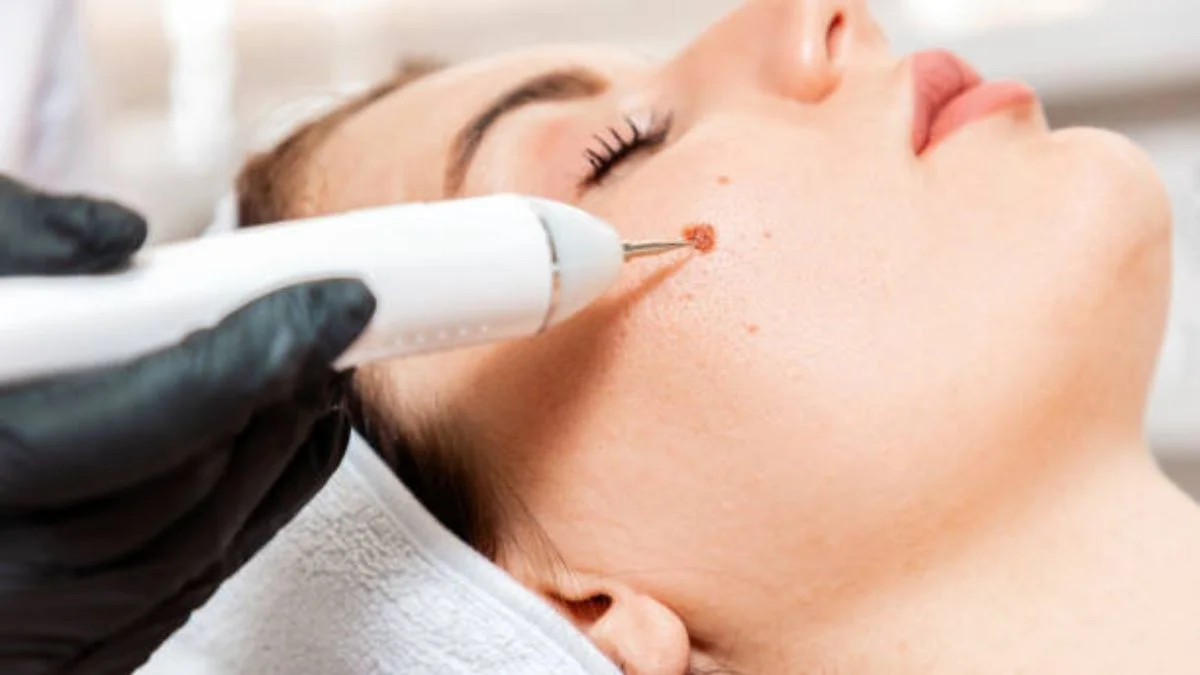
When considering the removal of an elevated skin growth, many individuals assume that a surgical procedure automatically requires deep cuts, heavy stitching, and an extended recovery period. However, patients looking into options for Skin Lesion Removal in Riyadh have access to refined, superficial techniques that offer an incredibly elegant middle ground between non-surgical energy treatments and traditional operating room excisions. Shave excision is a highly popular, minimally invasive medical method designed specifically to sweep away raised skin lesions that sit primarily atop the skin's surface. By utilizing a specialized micro-blade to gently shave the growth down until it sits perfectly flush with the surrounding tissue, this procedure achieves rapid clearance, eliminates the need for surgical sutures, and preserves the structural integrity of your skin.
The Medical Mechanics of Shave Precision
Unlike a full-thickness surgical excision, which cuts deep into the subcutaneous fat layers to remove a complete football-shaped ellipse of tissue, a shave excision operates on a strictly horizontal plane. This method is specifically engineered to target growths that reside within the outermost layers of the skin—the epidermis and the upper dermis.
During the procedure, the practitioner utilizes a sterile, flexible micro-scalpel or a specialized double-edged medical blade. By holding the blade slightly curved between their fingers, the clinician can perfectly match the natural contour of your surrounding skin. With a gentle, controlled sweeping motion, the blade glides horizontally across the base of the growth. This cleanly separates the elevated lesion from its structural root, leaving behind a perfectly flat, smooth surface. Because the incision is entirely superficial and does not cut deeply into the foundational dermis, the skin's structural tension is never compromised, entirely removing the need for a single stitch.
Identifying Ideal Candidates for Shave Excision
Shave excision is an exceptionally versatile technique, but its clinical success relies heavily on selecting the correct type of skin growth. A dermatologist will carefully analyze the structural characteristics of your lesion to determine if it is an optimal match.
-
Elevated Moles (Dermal Nevi): Raised, benign moles—especially those located on highly prominent areas like the face, neckline, or jawline—are premier candidates. Shaving them down flush eliminates the physical bump while leaving an incredibly small cosmetic footprint.
-
Seborrheic Keratoses: These common, non-cancerous growths often have a rough, waxy, or "stuck-on" appearance. Because they sit entirely on top of the skin barrier, a shave excision can clear them instantly.
-
Skin Tags (Acrochordons): Large or wide-based skin tags that cannot be easily snipped with micro-scissors are often shaved down at their base to guarantee a perfectly smooth final skin profile.
Diagnostic Advantage: One of the premier benefits of a shave excision over laser or radiofrequency vaporization is tissue preservation. Because the blade removes the growth entirely intact rather than destroying it into a plume of vapor, the collected specimen can be safely sent to a pathology laboratory for an accurate histopathological check (biopsy). This ensures your peace of mind regarding your long-term dermatological health.
The Streamlined Outpatient Clinical Process
Undergoing a professional shave excision is a quick, straightforward outpatient experience that is designed from start to finish around patient comfort. A typical clinical session for a standard surface growth requires only 15 to 20 minutes to complete.
[Sterilize Target Site] -> [Administer Local Numbing] -> [Horizontal Micro-Blade Shave] -> [Surface Cautery/Dress]
The process begins with the thorough cleansing of the target site using a surgical-grade antiseptic solution to establish a completely sterile field. Next, a local anesthetic is administered via a tiny injection directly beneath the base of the lesion. While the initial prick of the needle may cause a brief, minor stinging sensation for a few seconds, the entire localized region becomes completely desensitized almost instantly.
Throughout the actual micro-blade shaving process, you will feel absolutely no sharp pain, cutting, or physical distress—at most, you may perceive a light sensation of mild pressure or horizontal movement. Once the growth is removed, the clinician applies a light application of chemical solution or a low-temperature electrosurgical tool to immediately seal surface capillaries and stop any minor bleeding. Finally, a protective ointment and a small dressing are applied, and you are free to drive yourself home and resume your normal daily activities immediately.
Understanding Your Step-by-Step Healing Milestones
Because a shave excision leaves a flat, superficial wound similar to a minor scrape or a skinned knee, the body initiates a highly predictable and rapid cellular renewal process to rebuild the skin surface.
Days 1 to 3: The Initial Healing Phase
During the first 48 hours, the treated site will appear flat, raw, and pink. It is completely normal to experience a mild throbbing sensation or slight tenderness as the local anesthetic wears off, which can be easily managed with basic over-the-counter pain relievers. Keep the area covered with your clinical bandage to shield the fresh wound from external contaminants.
Days 4 to 10: Epithelialization and Crust Formation
As new skin cells undergo rapid mitosis to close the surface gap, a thin, uniform protective crust or scab will naturally develop over the site. This crust serves as a vital biological shield. By the end of the first week or early in the second week, this thin crust will naturally dry out, loosen, and flake away entirely on its own, revealing fresh, smooth, slightly pink new skin underneath.
Weeks 3 to 6: Color Maturation
Once the surface has fully closed, the treated spot will look like a faint pink mark. Over the subsequent weeks, this temporary pinkness will gradually fade away as normal melanin pigment re-enters the cells, eventually leaving the skin surface beautifully blended and matching your natural skin tone.
Crucial Post-Procedure Care Rules for Flawless Results
The ultimate aesthetic success of a shave excision relies heavily on how carefully you manage the wound at home during the initial phases of cellular regeneration. To ensure an exceptionally smooth, flat outcome, follow these core clinical rules:
-
Enforce Moist Wound Healing: Avoid the outdated habit of letting a fresh wound "air out" to form a thick, hard scab. Hard scabs pucker the skin and increase the risk of uneven texturing. Keep the site continuously hydrated by applying a thin layer of pure petroleum jelly or an approved recovery ointment daily beneath a fresh bandage. A moist environment allows new skin cells to travel across the surface significantly faster, ensuring a flat recovery.
-
Do Not Pick the Crust: It is absolutely imperative that you never scratch, rub, or prematurely peel away the drying protective crust. Forcing the crust off exposes unhatched epidermal cells to the air, invites bacterial introduction, and can cause hyperpigmentation or a permanently pitted mark.
-
Apply Strict Sun Defense: Freshly uncovered pink skin is incredibly vulnerable to ultraviolet radiation. Once the surface crust has naturally shed, apply a broad-spectrum sunscreen with an SPF of 50 or higher to the area every single day. Consistent sun protection prevents post-inflammatory hyperpigmentation (darkening of the skin), allowing the new tissue to blend seamlessly back into your natural skin tone.

 English
 Arabic
 Spanish
 Portuguese
 Deutsch
 Turkish
 Dutch
Dutch
 Italiano
 Russian
 Romaian
 Portuguese (Brazil)
 Greek
Greek
 Bengali