


The Impact of Learning Management Systems on Educational Success
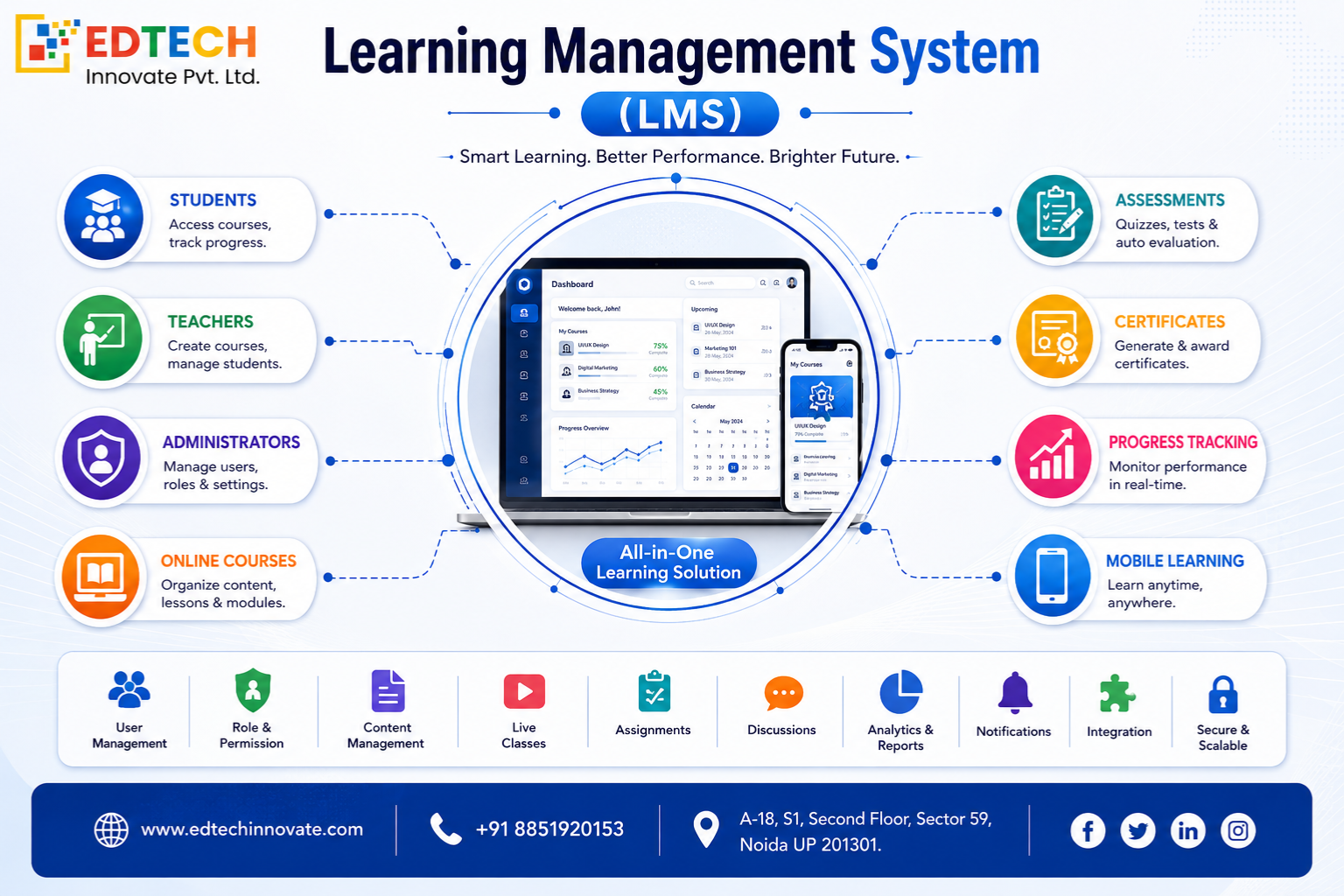
In today's digital-first learning environment, educational institutions and businesses are increasingly relying on technology to enhance training, learning, and knowledge retention. One of the most transformative technologies in this space is Learning Management Software. From schools and universities to corporate training departments, organizations are leveraging learning management systems to streamline learning processes, improve engagement, and achieve better outcomes.
As online and hybrid learning models continue to grow, the demand for efficient learning platforms has never been higher. Understanding how learning management systems contribute to educational success can help institutions and businesses make informed decisions when selecting the right solution.
What Is Learning Management Software?
Learning Management Software is a digital platform designed to create, manage, deliver, and track educational courses and training programs. It provides educators, trainers, and administrators with tools to organize content, monitor learner progress, conduct assessments, and generate performance reports.
Whether used by schools, universities, or businesses, a learning management system centralizes learning resources and creates a structured environment that supports both instructors and learners.
Key features typically include:
-
Course creation and management
-
User enrollment and administration
-
Assessment and grading tools
-
Progress tracking and analytics
-
Communication and collaboration features
-
Mobile learning support
-
Certification and compliance management
How Learning Management Systems Improve Educational Success
Enhanced Accessibility and Flexibility
One of the most significant advantages of modern learning platforms is their ability to provide learners with access to educational materials anytime and anywhere. Students and employees can engage with content at their own pace, making learning more flexible and convenient.
This accessibility is particularly beneficial for:
-
Remote learners
-
Working professionals
-
Global teams
-
Distance education programs
By removing geographical barriers, learning management systems create opportunities for continuous learning and development.
Personalized Learning Experiences
Modern Learning Management Software allows educators and trainers to customize learning pathways based on individual needs and performance levels. Learners can receive tailored content recommendations, assessments, and resources that match their skills and learning objectives.
Personalized learning contributes to:
-
Higher engagement rates
-
Improved knowledge retention
-
Better learner satisfaction
-
Increased course completion rates
As a result, educational institutions and organizations can achieve stronger learning outcomes.
Improved Monitoring and Performance Tracking
Data-driven decision-making is a crucial factor in educational success. Learning management systems provide detailed analytics and reporting features that enable administrators and instructors to monitor learner performance effectively.
Benefits include:
-
Real-time progress tracking
-
Assessment performance analysis
-
Attendance monitoring
-
Learning gap identification
-
Automated reporting
These insights help educators intervene early when learners need additional support and optimize training strategies for better results.
Types of LMS and Their Applications
Understanding the different types of LMS available is essential when selecting the right platform.
Cloud-Based LMS
Cloud-based systems are hosted online and accessed through a web browser. They require minimal IT infrastructure and offer automatic updates.
Advantages include:
-
Easy deployment
-
Scalability
-
Lower maintenance costs
-
Remote accessibility
Self-Hosted LMS
These systems are installed on an organization's own servers and provide greater control over customization and security.
Best suited for:
-
Large institutions
-
Organizations with strict compliance requirements
-
Businesses needing extensive customization
Academic LMS
Designed specifically for schools, colleges, and universities, these platforms support classroom learning, assignments, grading, and student collaboration.
Popular examples among top learning management systems include platforms tailored to educational environments that facilitate both in-person and online learning.
Corporate LMS
Corporate-focused LMS solutions are built to support employee training, onboarding, compliance programs, and professional development.
These systems are widely used as learning management systems for businesses seeking to improve workforce skills and productivity.
read more: Top Benefits of Customer Relationship Management Education for Colleges
Advantages of Using Learning Management Software
Organizations continue to invest in LMS platforms because of the numerous benefits they offer. The advantages of using learning management software extend beyond content delivery and directly impact educational and business performance.
Increased Learning Efficiency
A centralized platform reduces administrative tasks and allows instructors to focus more on teaching and learner engagement.
Cost Savings
Organizations can significantly reduce expenses related to:
-
Classroom facilities
-
Printed training materials
-
Travel costs
-
Instructor scheduling
Consistent Learning Delivery
Every learner receives the same high-quality content and training experience, ensuring consistency across departments, campuses, or locations.
Better Engagement
Interactive features such as:
-
Quizzes
-
Discussion forums
-
Gamification
-
Multimedia content
help keep learners motivated and actively involved in the learning process.
Scalability
As organizations grow, Learning Management Software can easily accommodate increasing numbers of users and courses without major infrastructure investments.
LMS for Educational Institutions: Transforming Modern Learning
The adoption of LMS for educational institutions has accelerated significantly in recent years. Schools, colleges, and universities are embracing digital learning platforms to support evolving educational needs.
Educational institutions benefit from:
-
Simplified course administration
-
Enhanced student engagement
-
Streamlined communication
-
Centralized learning resources
-
Improved academic performance tracking
Furthermore, LMS platforms support blended learning models, combining traditional classroom instruction with digital learning experiences. This approach creates a more dynamic and effective educational environment.
By leveraging Learning Management Software, institutions can provide students with a richer, more accessible, and more engaging learning experience.
Choosing Among the Top Learning Management Systems
Selecting the right LMS requires careful evaluation of organizational goals and requirements. When comparing the top learning management systems, decision-makers should consider factors such as:
-
Ease of use
-
Customization options
-
Reporting capabilities
-
Mobile accessibility
-
Integration with existing systems
-
Security and compliance features
-
Customer support
The ideal solution should align with both current needs and future growth plans.
Organizations should also assess whether they need academic-focused platforms or learning management systems for businesses, as each category offers unique features tailored to specific use cases.
The Future of Learning Management Systems
As technology continues to evolve, learning management systems are becoming more intelligent and learner-centric. Emerging trends include:
-
Artificial intelligence-driven personalization
-
Adaptive learning paths
-
Advanced learning analytics
-
Virtual and augmented reality integration
-
Microlearning modules
-
Social learning experiences
These innovations will further enhance the effectiveness of Learning Management Software and contribute to improved educational success across industries.
Explore more - Growth Of Universities Through Admission Management System Software
Conclusion
The impact of Learning Management Software on educational success is undeniable. By improving accessibility, personalization, performance tracking, and learner engagement, learning management systems have become essential tools for modern education and workforce development.
Whether you're exploring the types of LMS, evaluating the top learning management systems, or searching for effective learning management systems for businesses and educational institutions, choosing the right platform can significantly influence learning outcomes and organizational growth.
Brands such as EdTech Innovate continue to play an important role in helping institutions and organizations leverage advanced LMS solutions to create meaningful, scalable, and successful learning experiences.
Frequently Asked Questions (FAQs)
What is Learning Management Software?
Learning Management Software is a digital platform used to create, deliver, manage, and track educational courses and training programs for learners and employees.
What are the main advantages of using learning management software?
The primary advantages of using learning management software include improved accessibility, cost savings, better learner engagement, centralized content management, and detailed performance tracking.
What are the different types of LMS?
The main types of LMS include cloud-based LMS, self-hosted LMS, academic LMS, and corporate LMS, each designed to serve different learning and training needs.
Why are learning management systems important for businesses?
Learning management systems for businesses help streamline employee onboarding, compliance training, skill development, and performance tracking while reducing training costs.
How does an LMS benefit educational institutions?
An LMS for educational institutions improves course management, student engagement, communication, assessment tracking, and access to learning materials, resulting in better educational outcomes.
How do I choose among the top learning management systems?
When evaluating the top learning management systems, consider factors such as usability, scalability, reporting features, integrations, security, mobile support, and customer service.

 Arabic
 French
 Spanish
 Portuguese
 Deutsch
 Turkish
 Dutch
Dutch
 Italiano
 Russian
 Romaian
 Portuguese (Brazil)
 Greek
Greek
 Bengali