


Inside the Operating Room: The Advanced Techniques of Riyadh Plastic Surgeons
Inside the Operating Room: The Advanced Techniques of Riyadh Plastic Surgeons
The operating room is where the vision of a rejuvenated silhouette is translated into clinical reality. For patients considering an Arm Lift in Riyadh, understanding the sophisticated procedures performed by top-tier plastic surgeons reveals a commitment to precision, safety, and the "Quiet Luxury" philosophy that defines the modern aesthetic. Today’s surgeons go far beyond simple excision, employing advanced, multi-layered techniques that prioritize both anatomical harmony and a refined, natural recovery.
The Surgical Blueprint: Anatomical Mapping
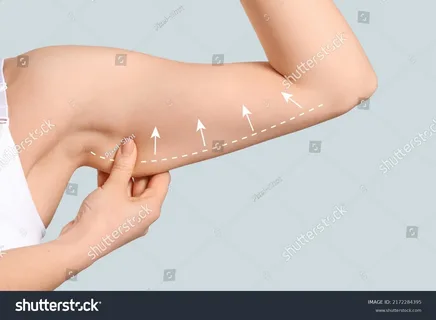
The procedure begins with meticulous anatomical mapping. Before the first incision is made, the surgeon marks the skin while the patient is upright to account for the natural pull of gravity. This is a critical step in achieving symmetry and avoiding over-correction. In the modern operating room, this mapping ensures that the final tension of the skin is balanced, preventing the "tight" or "strained" look that can occur in less precise procedures. By understanding the patient's unique muscle and fat distribution, surgeons tailor the incision length and placement—often favoring a discrete line along the inner bicipital groove—to hide the scar as effectively as possible.
Integrating Precision Liposuction
A major trend in 2026 is the "hybrid" approach to brachioplasty. Rather than relying solely on skin removal, surgeons frequently utilize advanced liposuction—such as power-assisted or ultrasound-assisted liposuction—before the excision phase. This allows the surgeon to:
-
Target Refractory Fat: Remove localized deposits that are resistant to diet and exercise.
-
Sculpt Contours: Create a transition between the arm and the shoulder that appears naturally lean.
-
Preserve Vascularity: By thinning the subcutaneous fat layer precisely, the surgeon maintains the blood supply to the skin, which is essential for healthy wound healing and minimal scarring.
Reinforcing the Internal Framework
Beyond the surface-level skin removal, advanced techniques now focus on the "internal architecture" of the arm. Surgeons may utilize internal fascial plication—tightening the deep connective tissue—to provide a structural foundation. By suturing this deeper layer to the underlying fascia, the surgeon creates a "re-draped" look that is supported from within. This not only enhances the definition of the triceps but also ensures that the results are durable, preventing the skin from sagging again as quickly as it might with superficial tightening alone.
Microsurgical Precision and Safety
Safety and vitality are paramount in the operating room. Surgeons in Riyadh utilize high-tech monitoring platforms to maintain stable vitals throughout the 2–3 hour procedure. The focus is on microscopic precision to preserve nerve endings and lymphatic channels, which are vital for long-term comfort and the prevention of fluid accumulation (seroma). Many surgeons also inject local anesthetic mixtures into the surgical site before closing, which acts as a "block" to provide superior post-operative pain control, often reducing the need for oral pain medication in the days following surgery.
The Final "Quiet" Closure
The closing of the incision is considered a work of art in the modern aesthetic. Surgeons utilize multi-layered closure techniques:
-
Internal Stitches: Dissolvable sutures are used for the deep tissue, removing tension from the skin’s surface.
-
Dermal Suturing: Tiny, fine-gauge sutures are used at the surface to ensure the incision edges meet perfectly, which is the primary factor in minimizing scar visibility.
-
Immediate Support: Specialized compression garments or bandages are often applied while the patient is still in the operating room. This immediate compression is non-negotiable; it prevents dead space from forming, reduces bruising, and supports the tissues as they begin their initial biological bonding.
A Personalized, Wellness-Minded Recovery
Modern surgery recognizes that the "operating room experience" extends into the recovery phase. Surgeons are increasingly providing patients with a comprehensive strategy that includes regenerative support. Whether it is a plan for scar management—using silicone topical therapies once healed—or integrating lymphatic drainage massages to accelerate the reduction of swelling, the surgical process is designed to be as seamless and stress-free as possible. This holistic approach ensures that the "luxury" of the result is matched by the ease of the journey, allowing the patient to focus on their renewed confidence and physical comfort.

 Arabic
 French
 Spanish
 Portuguese
 Deutsch
 Turkish
 Dutch
Dutch
 Italiano
 Russian
 Romaian
 Portuguese (Brazil)
 Greek
Greek
 Bengali