


Understanding the Intricacies of Miniature Ecosystem Kits
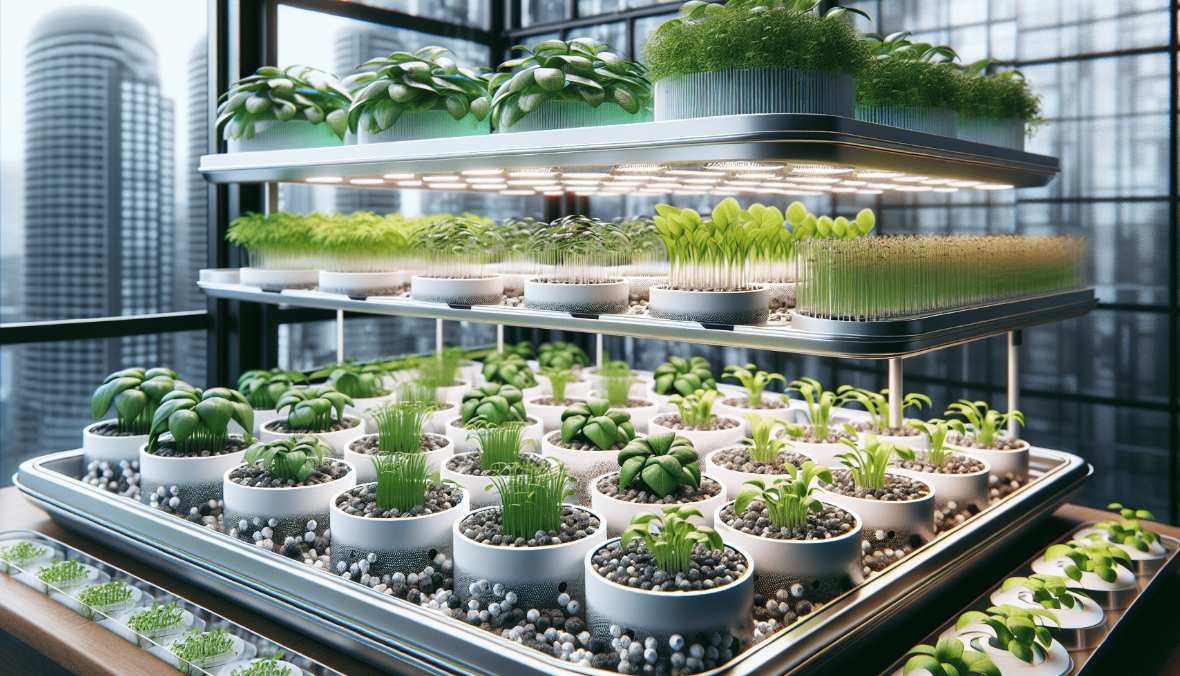
The concept of capturing a slice of nature within a glass container has captivated hobbyists and science enthusiasts alike for decades. These self-contained environments, often referred to as eco system kits, offer a profound look into the balance of life. By mimicking the natural cycles of water, gas exchange, and nutrient recycling, these setups become living laboratories. When properly constructed, they demonstrate the resilience of flora and fauna in a closed or semi-closed loop. Observing these micro-worlds fosters a deeper appreciation for the delicate equilibrium that maintains larger habitats across the planet.
The Science Behind Closed Biological Cycles
At the heart of any functional vivarium is the interaction between sunlight, water, and living organisms. Plants utilize light to perform photosynthesis, creating oxygen while consuming carbon dioxide. As moisture evaporates from the soil and leaves, it condenses on the sides of the container, eventually trickling back down to irrigate the roots. This hydration cycle remains consistent within high-quality eco system kits, provided the container remains sealed from external contaminants. The presence of microorganisms in the soil substrate further aids in breaking down organic matter, replenishing nutrients for the plant life to thrive over long durations.
Essential Components for Longevity
Building a lasting biological display requires more than just aesthetics. Selecting the right foundation involves layering materials that prevent root rot while retaining necessary moisture. Drainage layers made of pebbles or leca are vital for preventing water logging, followed by a layer of activated carbon to keep the environment fresh. Choosing plants that enjoy high humidity and indirect light—such as ferns, mosses, or fittonias ensures that the inhabitants of these eco system kits remain healthy. Maintaining the right ratio of soil to air space allows the internal atmosphere to stabilize, preventing the collapse of the miniature ecosystem.
Monitoring and Maintenance Requirements
While the goal of many setups is to be low-maintenance, they still require periodic observation. Overgrowth can disrupt the light cycle, and excessive water can lead to mold or fungal blooms. Trimming plants occasionally helps maintain the balance of the internal gas exchange. Enthusiasts often track the condensation patterns inside their eco system kits to gauge whether the hydration level is optimal. If the glass remains clear throughout the day but fogs slightly during the cooler evening hours, the system is likely well-balanced. Adjustments should be subtle, as rapid changes can stress the biological inhabitants.
Overcoming Common Biological Challenges
Many beginners face hurdles like mold growth or the yellowing of foliage. These symptoms usually point toward an imbalance in the light exposure or watering frequency. If a unit experiences direct sunlight, the internal temperature can rise dangerously, cooking the plants and disrupting the delicate gas cycles. Proper placement and a moderate, consistent light source remain the best defense. Those interested in perfecting the art of building eco system kits often find that trial and error leads to the most successful results. Identifying specific plant needs and matching them to the container volume is the most effective way to ensure long-term sustainability.
The Aesthetic and Educational Value
Beyond the scientific utility, these displays serve as striking decorative pieces that bring tranquility into indoor spaces. They function as a bridge between urban living and the natural world, reminding observers of the interconnectedness of biological processes. Engaging with eco system kits also provides a hands-on education for students and curious minds. By watching the cycles unfold, one learns about the fragility of environments and the importance of sustainability. The visual evolution of a growing vivarium offers a peaceful distraction from the fast pace of modern existence, grounding the observer in the slow, rhythmic growth of nature.
Precision Engineering for Lasting Nature
Creating an environment that sustains itself requires specific materials that favor longevity and biological health. High-clarity glass containers designed for specific humidity retention provide the optimal atmosphere for delicate species to flourish without the risk of stagnant air. Quality substrates and specialized drainage solutions ensure that the roots of your plants remain healthy throughout their life cycle. These professional-grade setups focus on light transmission and thermal regulation to protect the inhabitants from environmental stressors. By utilizing equipment designed for long-term stability, hobbyists can enjoy a thriving ecosystem that remains vibrant and balanced for years to come.
Conclusion
The pursuit of maintaining a healthy ecosystem at home is a rewarding journey that combines botany, chemistry, and artistic design. By understanding the underlying mechanics of light and hydration, enthusiasts can cultivate a living space that persists with minimal interference. Each successful arrangement stands as a testament to the natural ability of organisms to recycle resources and thrive in closed environments.
As you refine your approach, consider how the specific ecosystem requirements dictate the design and placement of your displays. Success in this hobby is built upon patience and a steady hand, ensuring that your miniature world remains a source of wonder and education. The beauty of these ecosystem projects lies in their capacity to grow and change, constantly surprising the observer with new developments over time.

 English
 Arabic
 Spanish
 Portuguese
 Deutsch
 Turkish
 Dutch
Dutch
 Italiano
 Russian
 Romaian
 Portuguese (Brazil)
 Greek
Greek
 Bengali