


Roller Ball Bearing: The Solution to Premature Machine Wear in Industrial Operations
Many manufacturing companies face a common challenge: machines wearing out faster than expected. When industrial equipment experiences excessive friction, vibration, and heat, productivity decreases while maintenance costs continue to rise. These problems can affect production schedules and overall business performance.
Often, the root cause is not the machine itself but the bearing system supporting its moving parts. Using the wrong bearing or a low-quality bearing can lead to premature wear and frequent equipment failures.
A roller ball bearing is designed to help solve these issues. By supporting smooth movement and reducing friction, it plays an important role in maintaining efficient industrial operations.
The Problem: Premature Equipment Wear
Industrial machinery operates under demanding conditions every day. Heavy loads, continuous movement, and harsh environments place constant stress on machine components.
When bearings begin to fail, businesses may experience:
- Increased machine vibration
- Excessive heat generation
- Unusual operating noise
- Reduced production efficiency
- Unexpected equipment breakdowns
- Higher maintenance costs
For manufacturers, distributors, and OEMs, these issues can lead to costly downtime and reduced profitability.
What Is a Roller Ball Bearing?
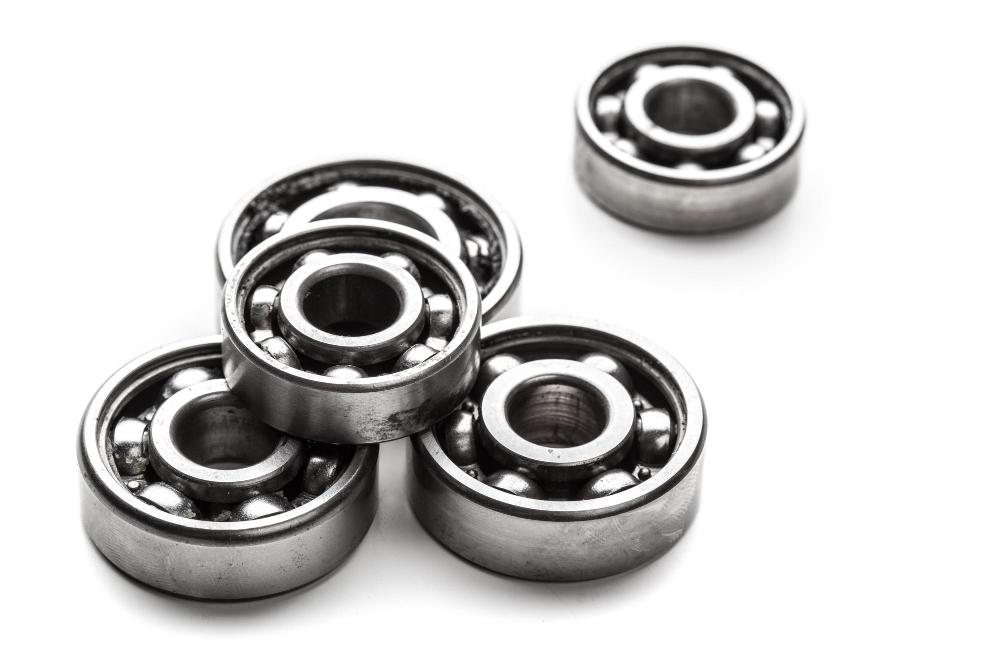
A roller ball bearing is a mechanical component designed to reduce friction between moving parts. It helps support rotational motion while carrying loads efficiently.
The bearing allows machine components to move smoothly while minimizing wear and energy loss. This makes it a critical part of many industrial applications, including:
- Manufacturing equipment
- Conveyor systems
- Electric motors
- Agricultural machinery
- Material handling systems
- Industrial pumps
Its ability to improve machine performance makes it an essential component across multiple industries.
Why Bearing Failure Creates Bigger Problems
Some companies delay bearing replacement to reduce maintenance expenses. However, worn bearings can create larger operational problems over time.
A damaged bearing may cause:
Increased Friction
More friction means more energy consumption and higher operating costs.
Component Damage
When bearings fail, nearby machine parts can also become damaged.
Production Interruptions
Unexpected failures often force maintenance teams to stop production for repairs.
Shorter Equipment Lifespan
Continuous operation with worn bearings accelerates wear throughout the entire machine.
Investing in quality roller ball bearing solutions can help prevent these costly outcomes.
How Roller Ball Bearing Improves Equipment Performance
Reduces Friction
Smooth rolling motion helps reduce resistance between moving components.
Minimizes Wear
Lower friction means less stress on machine parts and longer service life.
Supports Heavy Loads
Industrial applications often require bearings capable of handling demanding operating conditions.
Improves Energy Efficiency
Efficient movement helps reduce power consumption and operating costs.
Enhances Reliability
Quality bearings contribute to stable machine performance and fewer unexpected breakdowns.
Common Signs That a Bearing Needs Replacement
Maintenance teams should watch for warning signs before serious failures occur.
These signs include:
- Grinding or unusual noises
- Increased vibration
- Excessive heat around equipment
- Reduced machine efficiency
- Lubrication contamination
- Visible bearing damage
Early replacement helps prevent larger repair costs and production delays.
Key Factors When Selecting a Roller Ball Bearing
Choosing the right bearing is important for long-term performance.
Load Requirements
The bearing should be capable of handling both operational and peak loads.
Operating Environment
Dust, moisture, heat, and chemicals can affect bearing performance.
Material Quality
High-quality materials provide greater durability and reliability.
Precision Manufacturing
Accurate manufacturing helps ensure smooth operation and consistent performance.
Supplier Expertise
Working with experienced bearing manufacturers helps buyers select the right solution for their applications.
Benefits for B2B Buyers
Industrial buyers and distributors gain several advantages from investing in quality roller ball bearings.
Lower Maintenance Costs
Reliable bearings require fewer replacements and repairs.
Improved Production Efficiency
Reduced downtime helps maintain consistent output.
Better Customer Satisfaction
Distributors can provide dependable solutions that improve end-user performance.
Stronger Equipment Reliability
Quality bearings help support long-term operational stability.
Why Bearing Quality Matters More Than Price
Many businesses choose the lowest-cost bearing option to save money. However, lower-quality products often result in frequent failures and higher long-term expenses.
A premium roller ball bearing may provide:
- Longer service life
- Better load capacity
- Reduced downtime
- Improved efficiency
- Lower total ownership costs
When evaluating industrial components, overall value is often more important than initial purchase price.
Conclusion
Premature machine wear is a major challenge for industrial operations. Excessive friction, vibration, and bearing failures can lead to costly downtime and increased maintenance expenses.
A high-quality roller ball bearing helps address these problems by reducing wear, improving efficiency, and supporting reliable equipment performance. For B2B buyers, manufacturers, and distributors, choosing the right bearing solution is a practical investment that contributes to longer equipment life and stronger operational results.
As industries continue to focus on productivity and cost control, roller ball bearings remain a critical component for achieving reliable and efficient machine performance.

 Arabic
 French
 Spanish
 Portuguese
 Deutsch
 Turkish
 Dutch
Dutch
 Italiano
 Russian
 Romaian
 Portuguese (Brazil)
 Greek
Greek
 Bengali