


EVF Optical Module: The Technology Behind Clear and Accurate Electronic Viewfinders
Modern cameras have changed the way people capture photos and videos. Today’s photographers and videographers need fast, accurate, and high-quality viewing systems to help them frame shots correctly. While camera displays are useful, many professionals prefer using a viewfinder because it provides a clearer and more focused viewing experience.
This is where the EVF optical module plays an important role. An EVF optical module helps create a bright and detailed image inside an electronic viewfinder, allowing users to see exactly what the camera sensor captures. As camera technology continues to improve, EVF optical modules are becoming a key component in mirrorless cameras, digital cameras, and professional imaging systems.
What Is an EVF Optical Module?
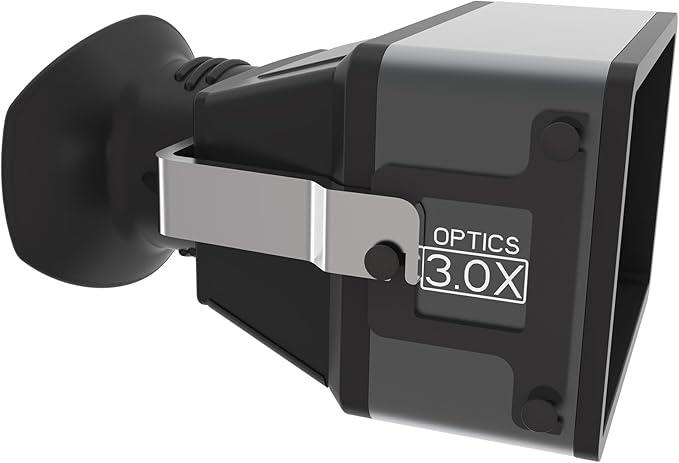
An EVF optical module is an optical system used inside an Electronic Viewfinder (EVF). It combines displays, lenses, and optical components to project digital images directly to the user's eye.
Unlike traditional optical viewfinders that use mirrors and prisms, an EVF optical module displays a digital image generated by the camera sensor. This allows photographers to preview exposure, focus, color, and other settings before taking a picture.
The result is a more accurate and flexible shooting experience.
Why Is an EVF Optical Module Important?
Modern photographers need to see exactly how their final image will look before pressing the shutter button.
An EVF optical module helps by providing:
- Real-time image preview
- Accurate color representation
- Exposure simulation
- Focus assistance
- Clear image composition
These advantages help users make better photography decisions.
How Does an EVF Optical Module Work?
The EVF optical module works together with the camera sensor and display system.
The process typically follows these steps:
- The camera sensor captures the scene.
- The image is processed digitally.
- A small display generates the image.
- Optical lenses magnify the image.
- The user views the image through the electronic viewfinder.
This process happens almost instantly, creating a smooth and responsive viewing experience.
Key Components of an EVF Optical Module
Micro Display
The micro display creates the digital image shown inside the viewfinder.
Optical Lens System
The lenses magnify the image and make it comfortable to view.
Eyepiece
The eyepiece allows the photographer to view the image clearly.
Optical Coatings
Special coatings improve brightness, contrast, and image clarity.
These components work together to deliver a sharp and realistic image.
Benefits of Using an EVF Optical Module
Real-Time Exposure Preview
Users can see how brightness settings will affect the final image before taking the shot.
Better Focus Control
Many EVF systems include focus aids that help improve image sharpness.
Accurate Color Viewing
Photographers can preview colors more accurately than with traditional viewfinders.
Enhanced Shooting Experience
The digital display provides useful information such as histograms, grid lines, and camera settings.
Improved Performance in Low Light
Modern EVF optical modules often provide better visibility in dark environments.
Applications of EVF Optical Modules
Mirrorless Cameras
Most modern mirrorless cameras use EVF optical modules for image viewing.
Professional Photography
Professional photographers rely on EVFs for accurate framing and exposure control.
Video Production
Videographers use electronic viewfinders to monitor focus and image quality while recording.
Industrial Imaging Systems
Specialized cameras use EVF technology for inspection and monitoring tasks.
Scientific Equipment
Certain imaging devices use EVF optical modules for observation and data collection.
EVF Optical Module vs Optical Viewfinder
| Feature | EVF Optical Module | Optical Viewfinder |
|---|---|---|
| Real-Time Exposure Preview | Yes | No |
| Color Preview | Yes | Limited |
| Focus Assistance | Yes | Limited |
| Digital Information Display | Yes | No |
| Low-Light Visibility | Better | Moderate |
| Image Simulation | Yes | No |
This comparison shows why EVF technology has become popular in modern cameras.
Factors to Consider When Choosing an EVF Optical Module
Resolution
Higher resolution provides a clearer image.
Brightness
A brighter EVF improves visibility in different lighting conditions.
Refresh Rate
A higher refresh rate creates smoother image movement.
Optical Quality
Good lenses improve clarity and viewing comfort.
Eye Relief
Comfortable eye relief allows users to view the image easily, even when wearing glasses.
Future of EVF Optical Modules
The future of EVF technology looks very promising. As imaging technology continues to advance, EVF optical modules are expected to become even more capable.
Future improvements may include:
- Higher display resolutions
- Faster refresh rates
- Better color accuracy
- Improved energy efficiency
- Enhanced optical performance
These developments will continue to improve the photography and videography experience.
Conclusion
The EVF optical module is one of the most important technologies in modern digital cameras. It combines advanced displays and optical components to provide photographers and videographers with a clear, accurate, and real-time view of their subject.
From mirrorless cameras to professional imaging systems, EVF optical modules help users capture better photos and videos with greater confidence. As camera technology continues to evolve, EVF optical modules will remain an essential part of the future of digital imaging.

 Arabic
 French
 Spanish
 Portuguese
 Deutsch
 Turkish
 Dutch
Dutch
 Italiano
 Russian
 Romaian
 Portuguese (Brazil)
 Greek
Greek
 Bengali