


Environmental Exposures and Their Reported Link to Congenital Defects in Riyadh
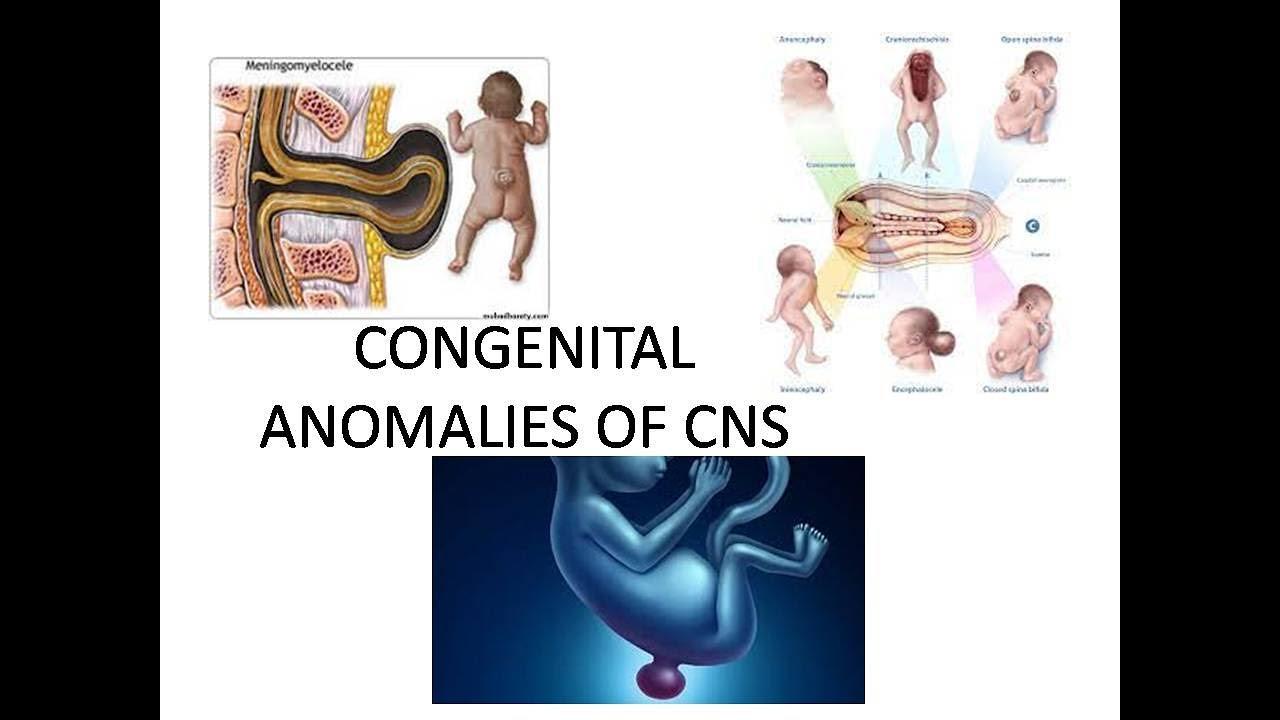
Congenital Anomalies in Riyadh have been the subject of significant clinical advancement, with prenatal screening programs now serving as the primary diagnostic gateway for identifying high-risk pregnancies and managing complex structural defects. As the capital’s tertiary care infrastructure has evolved, the integration of multi-modal screening protocols has become the standard, allowing healthcare providers to move from reactive postnatal care to proactive, specialized management before birth.
The Evolution of Prenatal Screening Protocols
The standard approach to prenatal screening in Riyadh’s tertiary care hospitals has transitioned toward a stratified model that emphasizes early detection. This model typically begins in the first trimester, where clinicians utilize a combination of maternal serum biochemistry and ultrasound markers—such as nuchal translucency (NT)—to assess the risk for chromosomal aneuploidies. This baseline assessment is critical, as it identifies pregnancies that require more invasive or high-resolution diagnostic investigation later in gestation.
The shift toward non-invasive prenatal testing (NIPT) has further revolutionized the landscape. By analyzing cell-free fetal DNA from maternal blood, clinicians can now screen for common trisomies with high sensitivity and specificity as early as 10 weeks. This technological leap has significantly reduced the need for amniocentesis, thereby minimizing procedural risks while offering families early, definitive information.
High-Resolution Imaging as a Diagnostic Pillar
While biochemical screening is essential, ultrasound remains the workhorse of structural defect identification in Riyadh. The "anomaly scan," typically performed between 18 and 22 weeks, is the definitive point for surveying the entire fetal anatomy. In the context of Riyadh’s clinical landscape, these scans are highly focused on:
-
Cardiac Anatomy: Given the high prevalence of congenital heart disease, specialized fetal echocardiography is now frequently triggered if a routine scan reveals any irregularity in the four-chamber view or the outflow tracts.
-
Neurological Development: Detailed assessment of the intracranial anatomy is conducted to rule out neural tube defects, hydrocephalus, and other structural brain abnormalities.
-
Renal and Urogenital Integrity: Given the frequency of these defects in local populations, systematic screening of the fetal kidneys and bladder has become a routine diagnostic requirement to identify conditions like hydronephrosis or cystic kidney disease.
Addressing High-Risk Profiles
The efficacy of these screening programs is best demonstrated by how they manage specific high-risk profiles. When a pregnancy is flagged as "high-risk"—due to maternal diabetes, advanced age, or a positive family history of consanguinity—the screening protocol is intensified.
This intensified approach involves:
-
Early Anomaly Scans: Moving the initial structural survey earlier to detect defects that may be amenable to in-utero intervention or to allow for long-term surgical planning.
-
Multidisciplinary Consultation: Identifying a structural defect triggers immediate involvement from a wider team, including pediatric surgeons, cardiologists, and genetic counselors. This ensures that when the infant is delivered, there is a comprehensive plan in place to provide immediate neonatal support.
-
Psychosocial Support: Recognizing the emotional toll of a high-risk diagnosis, the screening process is increasingly paired with dedicated counseling services that help parents understand the diagnosis, the implications for the child’s quality of life, and the available medical options.
Challenges and Future Integration
Despite the success of these programs, challenges persist, particularly regarding universal access to high-resolution screening in the surrounding regions that refer to Riyadh’s tertiary centers. Ensuring that all women, regardless of their geographical location, have access to early screening is a primary public health goal.
The future of prenatal screening in the region lies in the integration of "Big Data" and standardized reporting. By establishing a unified registry that connects prenatal findings with neonatal outcomes, the medical community aims to create a feedback loop that continuously refines diagnostic accuracy. As prenatal screening becomes increasingly sophisticated, the emphasis is shifting toward not just detecting anomalies, but providing a holistic, supportive pathway for high-risk families. This transition—from simple detection to comprehensive, longitudinal management—is the hallmark of the current era of maternal-fetal medicine in Riyadh.

 Arabic
 French
 Spanish
 Portuguese
 Deutsch
 Turkish
 Dutch
Dutch
 Italiano
 Russian
 Romaian
 Portuguese (Brazil)
 Greek
Greek
 Bengali