


The Competitive Landscape: Who Is Winning the AR and VR Market Share?
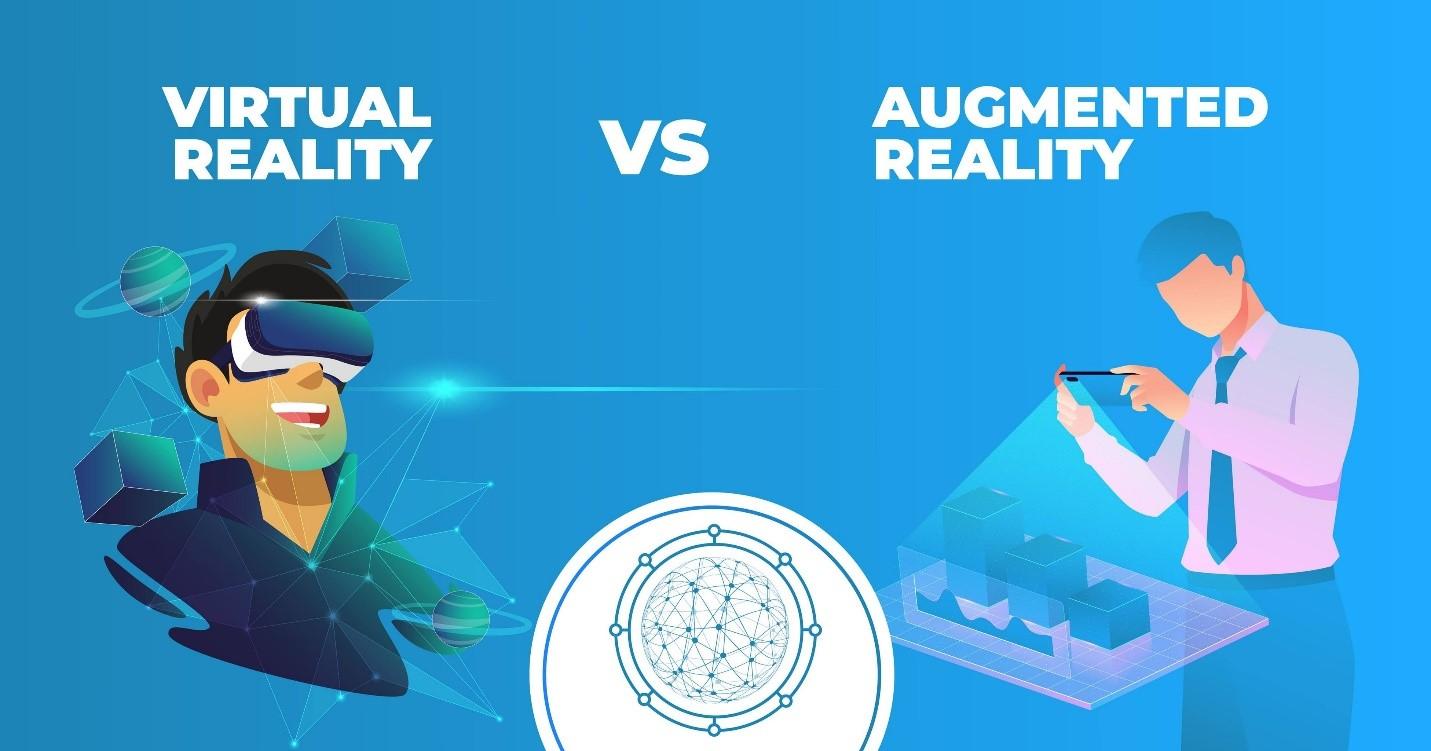
The battle for Augmented Reality and Virtual Reality Market Share is a high-stakes contest among the world's largest technology companies and a host of innovative startups, all vying for a leadership position in what is expected to be the next major computing platform. The competitive dynamics are intense and fluid, with companies employing different strategies to capture dominance in either the consumer or enterprise space, or both. The prize is a significant piece of a rapidly expanding pie, as forecasts show the Augmented Reality and Virtual Reality Market is Growing at a CAGR of 18.9%, Projected To Reach a Valuation of USD 299.99 Billion During 2025 - 2035. Understanding how market share is currently distributed and the strategies being used to gain it is crucial for comprehending the industry's trajectory and identifying the likely winners and losers in this immersive technology arms race.
In the consumer VR space, Meta (formerly Facebook) has established a commanding market share with its Quest line of standalone headsets. By aggressively pricing the hardware, often as a loss leader, and investing heavily in exclusive content and a user-friendly platform, Meta has successfully captured the majority of the consumer VR market. Their strategy is focused on building a massive user base to create a powerful network effect for their metaverse ambitions. Sony also holds a significant share with its PlayStation VR, which leverages its huge installed base of PlayStation consoles. In the AR space, the market share is more fragmented. Google and Apple dominate mobile AR through their ARCore and ARKit platforms, which are available on billions of Android and iOS devices, respectively. This gives them a massive, albeit less immersive, foothold in the augmented reality market.
The enterprise market share presents a different picture. Here, Microsoft has carved out a strong position with its HoloLens 2, a high-end mixed reality headset focused on industrial and professional use cases. Microsoft's strategy is to integrate the HoloLens with its existing suite of enterprise software, such as Dynamics 365 and Azure, creating a powerful ecosystem for business customers. Other players like Magic Leap and Varjo are also competing for enterprise share by focusing on high-fidelity, specialized applications for design, engineering, and training. In the enterprise VR segment, companies like HTC with its Vive series and HP with its Reverb headsets have gained traction by offering high-resolution devices well-suited for professional simulations and collaborative work environments, competing directly with Meta's enterprise offerings.
Looking ahead, the battle for market share is set to intensify with the expected entry of new major players. Apple's long-rumored mixed reality headset is poised to significantly disrupt the market, potentially setting a new standard for hardware design, user interface, and content quality, and immediately capturing a significant share among its loyal customer base. The future distribution of market share will likely depend on several key factors: the ability to create a "killer app" or experience that drives mainstream adoption, the successful development of lightweight and fashionable all-day AR glasses, and the strategic building of a robust and open developer ecosystem. Companies that can master the complex interplay between hardware, software, and content, while navigating the strategic choices between open and closed platforms, will be the ones who ultimately win the largest share of this transformative market.
Explore Our Latest Trending Reports:
Cloud Integration Migration and Optimization Market Size
Artificial Intelligence In Hr Market Size

 Arabic
 French
 Spanish
 Portuguese
 Deutsch
 Turkish
 Dutch
Dutch
 Italiano
 Russian
 Romaian
 Portuguese (Brazil)
 Greek
Greek
 Bengali