


Timing Belt Kits Failing? Avoid Costly Engine Damage Now
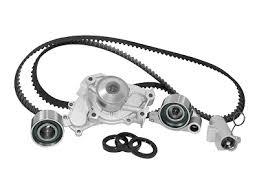
Modern engines rely heavily on properly functioning timing belt kits. When the timing system begins to wear out, vehicle performance drops quickly, fuel efficiency decreases, and in severe cases, the engine may suffer irreversible damage. Many drivers ignore early warning signs because the symptoms often look minor at first. However, delayed replacement can turn a small maintenance issue into a major repair bill.
Timing belt kits are not just simple rubber belts. A complete kit usually includes tensioners, pulleys, idlers, and sometimes a water pump. Every component works together to maintain engine synchronization. If one part fails, the entire timing system becomes unstable. That is why replacing individual parts instead of the full kit often creates long-term reliability problems.
Common Signs Your Timing Belt Kit Is Wearing Out
Many vehicle owners do not recognize timing belt problems until the engine starts misfiring or refuses to start. Understanding the early symptoms helps prevent serious engine failure.
Engine Ticking Noise
A ticking sound coming from the engine compartment is one of the earliest signs of timing belt wear. This usually happens when the belt loses tension or the pulleys begin deteriorating. Ignoring the noise can lead to belt slippage.
Rough Engine Performance
If the timing belt loses alignment, valve timing becomes inaccurate. The engine may vibrate, hesitate during acceleration, or idle unevenly. Inconsistent timing directly affects combustion efficiency.
Difficulty Starting the Vehicle
A worn timing belt kit can disturb crankshaft and camshaft synchronization. When this happens, the engine struggles to ignite properly. Many drivers initially mistake this for a battery or starter issue.
Oil Leakage Near the Timing Cover
Oil contamination weakens timing belts faster than normal wear. Leaks around the timing cover often indicate seal damage, which reduces the lifespan of the entire timing system.
What Causes Premature Timing Belt Kit Failure?
Several factors contribute to early timing belt kit wear. Understanding these causes helps businesses, workshops, and vehicle owners improve maintenance planning.
Poor Quality Components
Low-grade aftermarket timing components often fail earlier because they cannot tolerate high engine temperatures or constant mechanical stress. Inferior tensioners and bearings also accelerate belt deterioration.
Incorrect Installation
Improper installation is one of the biggest reasons timing systems fail prematurely. Incorrect belt tension, pulley misalignment, or skipped replacement steps can severely damage engine timing.
Delayed Maintenance
Many drivers exceed the manufacturer’s recommended replacement interval. Timing belts naturally weaken over time due to heat cycles, friction, and contamination. Waiting too long increases the risk of sudden failure.
Extreme Driving Conditions
Vehicles operating in high temperatures, dusty environments, or heavy traffic conditions experience faster timing system wear. Commercial fleets and industrial vehicles are especially vulnerable.
Why Replacing the Full Timing Belt Kit Matters
Some repair shops replace only the belt to reduce immediate costs. While this seems economical initially, it often creates future mechanical failures. Timing belts depend on the condition of surrounding components. If old tensioners or pulleys remain in use, they can damage the newly installed belt.
A complete timing belt kit replacement improves overall engine reliability because all wear-prone components are renewed together. This reduces maintenance frequency and lowers long-term operating expenses.
For B2B buyers, workshops, distributors, and fleet managers, sourcing complete timing belt kits instead of separate components also simplifies inventory management and improves installation efficiency.
The Hidden Cost of Ignoring Timing Belt Problems
Ignoring timing belt replacement schedules can become extremely expensive. In interference engines, a snapped timing belt may cause pistons and valves to collide internally. This often leads to bent valves, damaged cylinder heads, or complete engine rebuilds.
Repair costs after catastrophic timing failure are significantly higher than preventive replacement costs. Businesses managing multiple vehicles face even larger financial risks when fleet downtime interrupts operations.
Preventive maintenance is always more cost-effective than emergency engine repairs. Replacing timing belt kits at the correct interval protects engine performance and improves operational reliability.
How to Choose Reliable Timing Belt Kits
Not all timing belt kits offer the same durability. Buyers should focus on quality, compatibility, and manufacturing standards before purchasing.
Check Material Quality
High-performance rubber compounds and heat-resistant materials extend timing belt lifespan. Premium bearings and reinforced pulleys also improve long-term durability.
Verify OEM Compatibility
Timing belt kits should match exact engine specifications. Incorrect sizing or incompatible components can affect engine timing accuracy.
Prioritize Complete Kits
Choosing complete kits instead of separate parts ensures balanced wear across the timing system. This reduces future replacement risks.
Work With Trusted Manufacturers
Reliable suppliers maintain strict quality control and testing standards. Consistent manufacturing quality is essential for automotive distributors and repair businesses that depend on long-term product reliability.
Why Preventive Maintenance Improves Engine Reliability
Preventive timing belt replacement is not simply routine maintenance. It is a critical investment in engine protection. Businesses that maintain vehicles proactively experience fewer unexpected breakdowns, lower repair costs, and improved operational consistency.
Routine inspections also help identify related issues such as oil leaks, pulley wear, or cooling system problems before they escalate. This proactive approach increases vehicle lifespan and improves overall engine efficiency.
Conclusion
Timing belt kits play a critical role in engine synchronization and long-term vehicle reliability. Ignoring warning signs or delaying replacement can lead to severe engine damage and expensive repairs. From unusual engine noises to rough performance and startup problems, early symptoms should never be overlooked.
Using high-quality timing belt kits, following proper installation procedures, and replacing all related components together significantly reduces failure risks. For workshops, distributors, and fleet operators, preventive maintenance remains the most effective strategy for avoiding downtime and protecting engine performance over the long term.

 Arabic
 French
 Spanish
 Portuguese
 Deutsch
 Turkish
 Dutch
Dutch
 Italiano
 Russian
 Romaian
 Portuguese (Brazil)
 Greek
Greek
 Bengali