


Roadworthy Certificate in Brunswick: What to Check Before Your Inspection
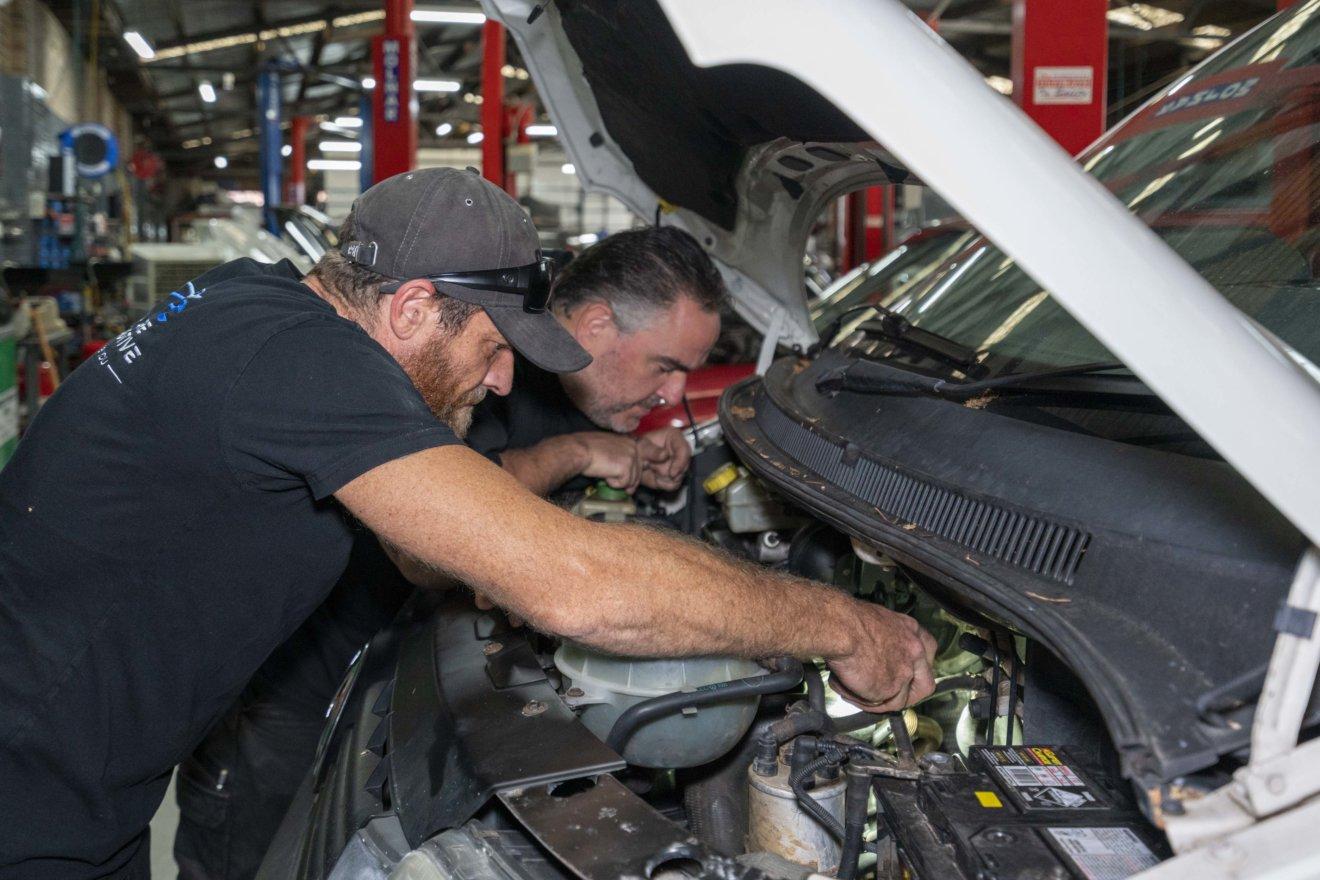
If you’re planning to sell, transfer, or re-register a vehicle in Brunswick, obtaining a Roadworthy Certificate (RWC) is a legal requirement in Victoria. While many drivers assume the inspection is a simple formality, a roadworthy check is a detailed safety assessment designed to ensure your vehicle meets minimum standards for use on public roads.
Understanding what inspectors look for—and preparing your vehicle in advance—can save you time, stress, and unexpected repair costs. This guide explains what to check before your inspection so you can approach the process with confidence.
What Is a Roadworthy Certificate and Why It Matters
A Roadworthy Certificate confirms that a vehicle meets Victorian safety standards at the time of inspection. It focuses strictly on safety-related components rather than cosmetic condition or overall mechanical performance.
You typically need a roadworthy certificate when:
- Selling a vehicle
- Transferring ownership
- Re-registering an unregistered car
- Clearing a defect notice
It’s important to note that a roadworthy inspection is not a guarantee of long-term reliability. Instead, it confirms that essential systems are functioning safely at the time of assessment.
Brakes, Steering, and Suspension Checks
One of the most common reasons vehicles fail a roadworthy inspection is worn or faulty braking components. Inspectors check brake pads, discs, hoses, and fluid condition to ensure effective stopping power.
Steering and suspension systems are also carefully examined. Excessive play, worn bushes, leaking shocks, or damaged ball joints can all result in a failed inspection. These components are critical for vehicle control, especially during emergency manoeuvres.
If your car pulls to one side, makes knocking noises over bumps, or feels unstable when cornering, it’s worth addressing these issues before booking your inspection.
Tyres, Wheels, and Wheel Alignment
Tyres must meet minimum tread depth requirements and be free from damage such as sidewall cracks, bulges, or uneven wear. Mismatched tyre sizes or incorrect load ratings may also lead to failure.
Wheels are checked for damage, secure fitting, and correct alignment. Poor wheel alignment can indicate suspension issues and can also cause rapid tyre wear, making it a common inspection concern.
Ensuring your tyres are in good condition is one of the simplest and most cost-effective ways to improve your chances of passing on the first attempt.
Lights, Electrical Systems, and Visibility
All exterior lights must be fully operational, including headlights, brake lights, indicators, reverse lights, and number plate lights. Even a single blown bulb can cause a failed inspection.
Inspectors also assess:
- Windscreen condition (chips or cracks in the driver’s line of sight)
- Wiper operation and washer fluid
- Horn functionality
- Dashboard warning lights
Any illuminated warning lights—especially for airbags or braking systems—can result in rejection, as they may indicate unresolved safety issues.
Body Condition, Seatbelts, and Structural Safety
While minor cosmetic damage is usually acceptable, structural rust or corrosion in critical areas can cause a vehicle to fail. Inspectors focus on structural integrity rather than appearance.
Seatbelts must be in good working order, retract smoothly, and lock correctly. Frayed belts, faulty buckles, or damaged anchor points are considered serious safety concerns.
Doors, bonnet, and boot latches must also close securely, ensuring they won’t open unexpectedly while driving.
Exhaust, Emissions, and Under-Vehicle Components
The exhaust system must be securely mounted and free from leaks. Excessive noise, damaged mufflers, or visible smoke emissions can all lead to failure.
Inspectors may also look for oil leaks, fuel leaks, or loose under-vehicle components. While minor seepage may be acceptable, active leaks are generally not.
If your vehicle produces unusual smells, smoke, or rattling noises, addressing these early can prevent inspection delays.
How to Improve Your Chances of Passing First Time
Preparing your vehicle before inspection is the best way to avoid repeat visits and additional costs. A pre-inspection check by an experienced mechanic can identify potential issues early, allowing you to fix them on your own terms rather than under time pressure.
Keeping service records, addressing warning lights promptly, and maintaining tyres and brakes regularly all contribute to a smoother roadworthy process.
Book Your Roadworthy Inspection with Confidence
A Roadworthy Certificate isn’t something to fear—it’s a practical step toward safer roads and responsible vehicle ownership. With proper preparation and professional guidance, the process can be straightforward and stress-free.
At All Care Automotive, inspections are carried out thoroughly, honestly, and in line with Victorian regulations. If you’re preparing for a roadworthy inspection or need advice on meeting compliance requirements, expert help is only a phone call away.
📞 Call 03 9764 1655 to book your inspection or speak with a qualified technician today.

 English
 Arabic
 French
 Spanish
 Portuguese
 Deutsch
 Turkish
 Dutch
Dutch
 Italiano
 Russian
 Portuguese (Brazil)
 Greek
Greek
 Bengali