


Web3 Integration Services: Transforming Businesses for the Decentralized Future
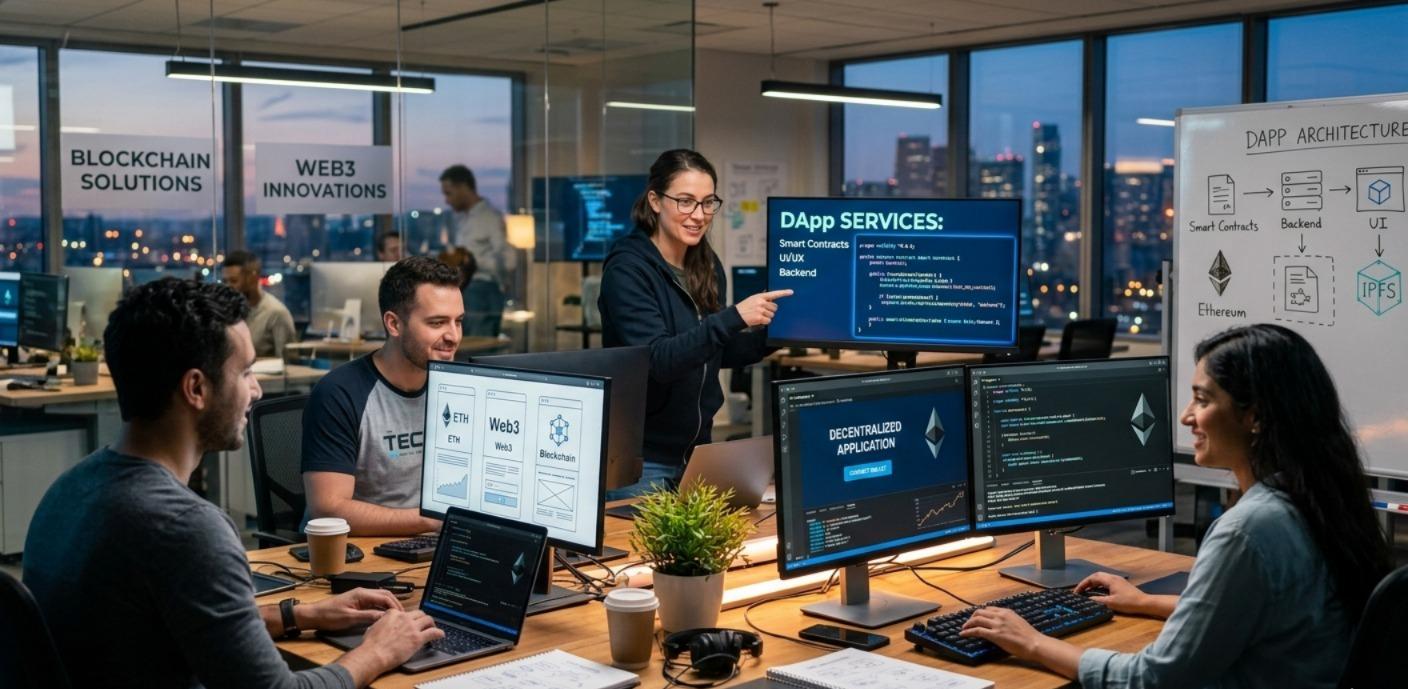
The digital landscape is evolving rapidly, and businesses are now moving beyond traditional systems to embrace decentralized technologies. Web3, powered by blockchain, is redefining how applications operate by offering transparency, security, and user ownership. This shift has created a growing demand for Web3 Integration Services, enabling organizations to upgrade their existing platforms and stay competitive in a fast-changing market.
What is Web3 Integration?
Web3 integration refers to the process of connecting traditional web applications (Web2) with blockchain-based technologies. It allows businesses to incorporate decentralized features such as crypto payments, smart contracts, NFTs, and decentralized identity into their existing systems without rebuilding everything from scratch.
Instead of relying on centralized servers, Web3-enabled platforms operate on distributed networks, reducing dependency on intermediaries and enhancing trust among users.
Why Businesses Need Web3 Integration
Modern businesses face increasing challenges related to data security, transparency, and user trust. Web3 integration addresses these issues by introducing:
- Enhanced Security: Blockchain ensures data immutability and protection against fraud.
- Transparency: All transactions are recorded on a public ledger, increasing trust.
- Decentralization: Eliminates reliance on central authorities.
- User Ownership: Users have control over their digital assets and data.
- New Revenue Streams: Opportunities through tokens, NFTs, and DeFi models.
These benefits make Web3 integration a strategic move for startups and enterprises alike.
Key Features of Web3 Integration Services
A well-implemented Web3 integration includes several advanced features that enhance functionality and user experience:
- Crypto Wallet Integration: Connect platforms with wallets like MetaMask and WalletConnect for secure transactions.
- Smart Contract Deployment: Automate processes using self-executing contracts.
- Token Integration: Enable token-based payments, rewards, and governance systems.
- NFT Functionality: Allow users to mint, buy, or sell digital assets.
- Decentralized Identity (DID): Improve privacy and authentication without centralized control.
- Blockchain API Integration: Ensure seamless communication between frontend and blockchain networks.
Industries Benefiting from Web3 Integration
Web3 is not limited to crypto-related businesses. Many industries are leveraging its capabilities:
- Finance (DeFi): Secure and transparent financial transactions without intermediaries.
- E-commerce: Crypto payments and tokenized loyalty programs.
- Gaming: Play-to-earn models and in-game asset ownership.
- Healthcare: Secure patient data management.
- Real Estate: Tokenization of property assets.
The Integration Process
A professional Web3 integration service typically follows a structured approach:
- Requirement Analysis: Understanding business goals and technical needs.
- Architecture Design: Planning the integration of blockchain with existing systems.
- Development: Implementing smart contracts, APIs, and wallet connections.
- Testing & Security Audits: Ensuring performance and eliminating vulnerabilities.
- Deployment & Support: Launching the solution and providing ongoing maintenance.
Challenges in Web3 Integration
While Web3 offers numerous advantages, businesses may face challenges such as scalability issues, regulatory uncertainties, and user adoption barriers. However, with the right development partner and strategy, these challenges can be effectively managed.
Future of Web3 Integration
Web3 is still in its early stages, but its potential is enormous. As blockchain technology matures, more businesses will adopt decentralized solutions to improve efficiency, reduce costs, and enhance user trust. Integrating Web3 today positions companies ahead of the curve and opens doors to innovation and growth.
Conclusion
Web3 Integration Services are no longer optional—they are becoming essential for businesses aiming to thrive in the digital future. By combining the strengths of traditional systems with the power of blockchain, organizations can unlock new opportunities, improve security, and deliver better user experiences.
Whether you're upgrading an existing platform or exploring decentralized possibilities, Web3 integration is the key to building a smarter, more transparent, and future-ready business ecosystem. 🚀

 Arabic
 French
 Spanish
 Portuguese
 Deutsch
 Turkish
 Dutch
Dutch
 Italiano
 Russian
 Romaian
 Portuguese (Brazil)
 Greek
Greek
 Bengali