The R501 reference electrode is an essential component in electrochemical measurements, widely used in laboratories, industrial applications, and research environments. It plays a crucial role in providing a stable and known potential against which other electrode potentials can be measured. Without a reliable reference electrode, accurate electrochemical analysis would not be possible. The R501 model is specifically known for its stability, durability, and consistent performance, making it a preferred choice for professionals working in electrochemistry and related fields.
What is a Reference Electrode
A reference electrode is a device that maintains a constant and well-defined electrical potential. It serves as a comparison point in electrochemical cells, allowing scientists and engineers to measure the voltage of other electrodes accurately. The R501 reference electrode is designed to provide a stable reference point, ensuring precision in measurements. This stability is critical because even slight fluctuations can lead to inaccurate data, which can affect experimental outcomes and industrial processes.
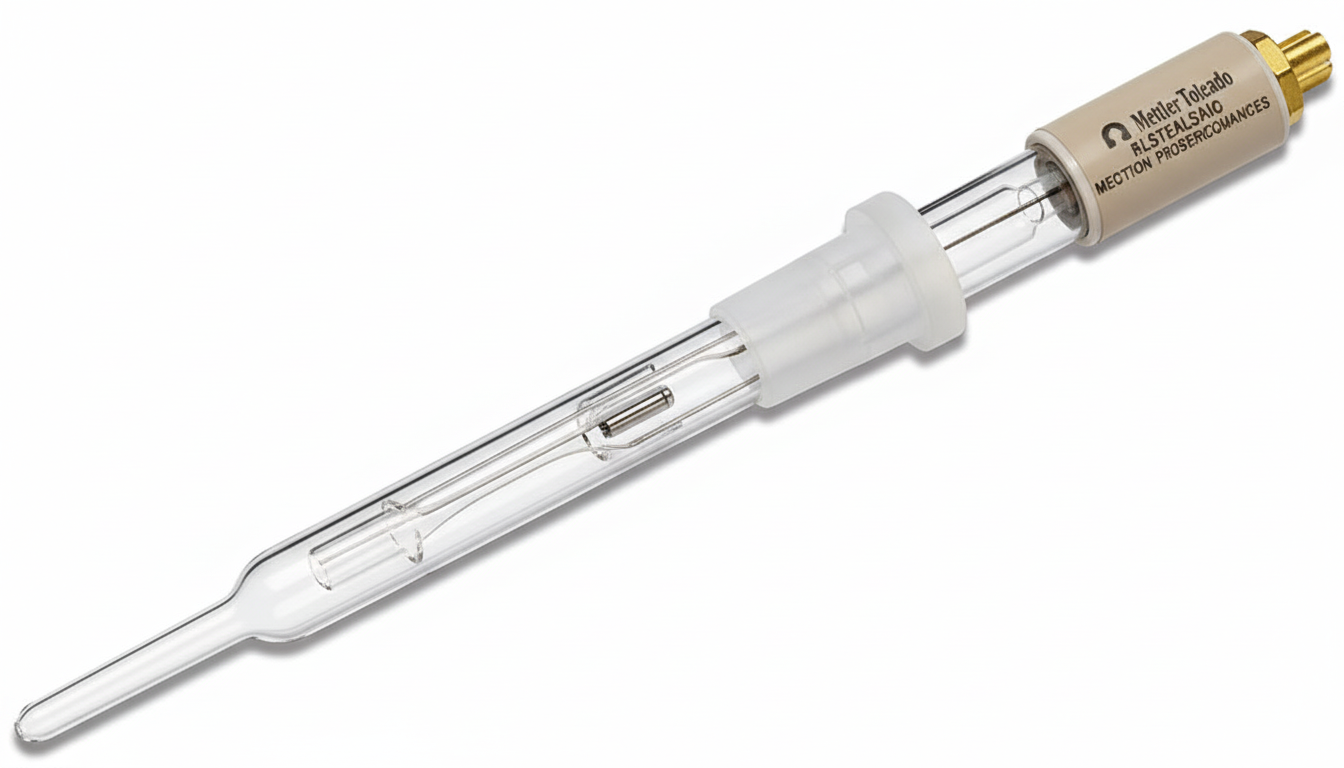
Structure of R501 Reference Electrode
The R501 reference electrode typically consists of a housing made from durable materials such as glass or plastic, an internal electrolyte solution, and a reference element. The internal solution is usually a potassium chloride solution, which helps maintain a constant ionic environment. The reference element, often made of silver/silver chloride, ensures a stable potential. The design of the R501 electrode allows for minimal contamination and long-term usage, making it suitable for continuous monitoring applications.
Working Principle
The working principle of the R501 reference electrode is based on maintaining a constant electrochemical potential. When placed in a solution, the electrode establishes equilibrium between the internal electrolyte and the external environment through a porous junction. This junction allows ionic exchange without mixing the solutions significantly. As a result, the electrode maintains a stable voltage that can be used as a reference point. This consistent potential is essential for accurate measurement of pH, conductivity, and other electrochemical properties.
Applications of R501 Reference Electrode
The R501 reference electrode is widely used in various industries and scientific applications. In laboratories, it is commonly used for pH measurement, potentiometric titrations, and electrochemical analysis. In industrial settings, it plays a vital role in corrosion monitoring, water quality testing, and chemical process control. Environmental monitoring also relies on reference electrodes like the R501 to measure pollutants and ensure compliance with safety standards. Its versatility makes it a valuable tool across multiple disciplines.
Importance in Electrochemical Measurements
Accurate electrochemical measurements depend heavily on the stability of the reference electrode. The R501 reference electrode ensures that measurements are consistent and reliable. This is particularly important in research and industrial processes where precision is critical. A stable reference electrode minimizes errors and enhances the reproducibility of results. This reliability is why the R501 is widely trusted by professionals in the field.
Advantages of R501 Reference Electrode
One of the main advantages of the R501 reference electrode is its high stability. It provides a consistent potential over long periods, reducing the need for frequent calibration. The electrode is also designed for durability, allowing it to withstand harsh conditions in industrial environments. Additionally, its easy maintenance and compatibility with various measurement systems make it a convenient choice. These features contribute to its popularity among users who require reliable and efficient performance.
Maintenance and Care
Proper maintenance is essential to ensure the longevity and accuracy of the R501 reference electrode. Regular cleaning of the electrode surface helps prevent contamination and buildup of residues. It is also important to keep the internal electrolyte solution at the recommended level. Storing the electrode in an appropriate solution when not in use can prevent it from drying out. Following these maintenance practices can significantly extend the life of the electrode and maintain its performance.
Common Issues and Troubleshooting
Like any scientific instrument, the R501 reference electrode may encounter issues over time. Common problems include drift in potential, clogging of the junction, and contamination of the internal solution. These issues can affect measurement accuracy. Troubleshooting involves cleaning the electrode, replacing the electrolyte solution, and ensuring proper storage conditions. Regular inspection and maintenance can help identify and resolve these problems before they impact performance.
Comparison with Other Reference Electrodes
The R501 reference electrode is often compared with other types such as calomel and standard hydrogen electrodes. While each type has its advantages, the R501 is preferred for its ease of use and stability. Unlike some electrodes that require complex handling, the R501 is user-friendly and suitable for routine applications. Its design minimizes maintenance requirements while providing reliable results, making it a practical choice for many users.
Industrial Use Cases
In industrial environments, the R501 reference electrode is used for monitoring processes such as electroplating, wastewater treatment, and chemical manufacturing. It helps maintain quality control by providing accurate measurements of chemical properties. Industries rely on this electrode to ensure that processes operate within desired parameters. Its robustness and reliability make it ideal for continuous use in demanding conditions.
Role in Environmental Monitoring
Environmental monitoring is another critical area where the R501 reference electrode is widely used. It helps measure parameters such as pH levels in water bodies, soil conditions, and pollutant concentrations. Accurate measurements are essential for assessing environmental health and implementing corrective actions. The R501 electrode provides the reliability needed for such sensitive applications.
Future Developments
Advancements in technology continue to improve the design and performance of reference electrodes. The R501 reference electrode may see enhancements in materials, durability, and accuracy. Future developments could include smart electrodes with digital integration for real-time monitoring and data analysis. These innovations will further expand the applications and efficiency of reference electrodes in various fields.
Conclusion
The R501 reference electrode is a vital tool in electrochemical measurements, offering stability, accuracy, and reliability. Its wide range of applications in laboratories, industries, and environmental monitoring highlights its importance. With proper maintenance and care, it can provide consistent performance over time. As technology advances, the R501 reference electrode is expected to become even more efficient, supporting the growing demands of scientific and industrial applications.



 Arabic
 French
 Spanish
 Portuguese
 Deutsch
 Turkish
 Dutch
Dutch
 Italiano
 Russian
 Romaian
 Portuguese (Brazil)
 Greek
Greek
 Bengali