


Hydrafacial vs. Chemical Peels: Which One Wins?
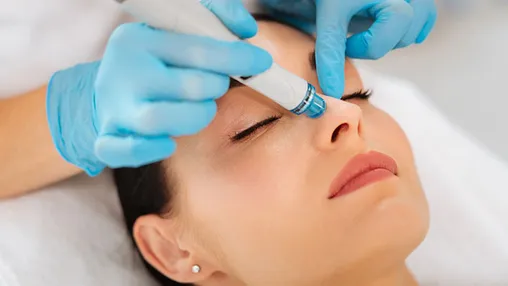
If you are exploring professional treatments to rejuvenate your skin in Hydrafacial Riyadh, you may be debating whether to choose a Hydrafacial or a chemical peel. Both treatments aim to improve skin texture, brightness, and overall health, but they work in very different ways. Understanding their mechanisms, benefits, and limitations can help you decide which treatment is best suited to your skin type and concerns.
What Is a Hydrafacial:
Hydrafacial is a non-invasive, multi-step facial treatment that combines cleansing, exfoliation, extraction, hydration, and infusion of nutrient-rich serums. Its gentle technology is suitable for most skin types and offers immediate results. Key benefits include:
-
Deep cleansing and unclogging of pores
-
Gentle exfoliation without irritation
-
Infusion of antioxidants, peptides, and hyaluronic acid
-
Reduction of fine lines, wrinkles, and uneven skin tone
What Are Chemical Peels:
Chemical peels use acids such as glycolic, salicylic, or lactic acid to remove the outer layer of dead skin cells, stimulating regeneration. They range in intensity from superficial to deep peels. Benefits include:
-
Accelerated exfoliation for smoother skin
-
Reduction of pigmentation, acne scars, and sun damage
-
Stimulation of collagen production
-
Long-lasting improvement in skin texture
Differences in Mechanism:
The key difference lies in how each treatment works. Hydrafacial relies on gentle suction and serum infusion, while chemical peels use chemical agents to remove skin layers. Key distinctions include:
-
Hydrafacial: non-invasive, hydrating, suitable for sensitive skin
-
Chemical peel: exfoliates chemically, may cause temporary redness or peeling
-
Hydrafacial addresses multiple concerns in one session
-
Peels are more targeted toward pigmentation and resurfacing
Comfort and Downtime:
Comfort and recovery are important considerations. Hydrafacial is virtually painless, whereas chemical peels can cause stinging, redness, or peeling depending on strength. Comparison highlights:
-
Hydrafacial: relaxing and gentle with no downtime
-
Chemical peel: may require several days of recovery for deeper peels
-
Both treatments have minimal long-term complications
-
Hydrafacial is safer for sensitive or reactive skin types
Targeted Concerns:
Choosing between treatments depends on your skin concerns. Hydrafacial is ideal for hydration, glow, and mild anti-aging, while chemical peels excel at resurfacing and treating pigmentation. Key points include:
-
Hydrafacial: hydration, exfoliation, mild anti-aging, pore cleansing
-
Chemical peels: pigmentation, acne scars, texture irregularities, sun damage
-
Hydrafacial provides multi-step nourishment
-
Peels may require additional maintenance for sensitive skin
Frequency and Maintenance:
The recommended treatment frequency varies based on goals. Hydrafacial can be done monthly, while chemical peels are spaced further apart depending on strength. Considerations include:
-
Hydrafacial: monthly sessions for hydration and ongoing skin health
-
Chemical peel: typically every 3–6 weeks depending on intensity
-
Maintenance is crucial for both treatments to achieve long-term results
-
Combining treatments with at-home care maximizes outcomes
Risks and Considerations:
While both treatments are generally safe, potential risks differ. Hydrafacial has minimal irritation risk, whereas chemical peels can cause temporary redness, peeling, or sensitivity. Key points include:
-
Hydrafacial: low risk, suitable for most skin types
-
Chemical peel: risk of irritation, hyperpigmentation, or prolonged redness in sensitive skin
-
Proper professional assessment is essential for both treatments
-
Consulting a dermatologist ensures optimal safety and results
Combining Treatments:
In some cases, combining Hydrafacial and mild chemical peels can enhance results. This approach can address multiple concerns while minimizing downtime. Benefits include:
-
Hydrafacial preps the skin for better peel absorption
-
Sequential treatments can target hydration, exfoliation, and pigmentation
-
Reduced irritation when spaced correctly
-
Enhanced overall skin texture and brightness
Final Thoughts:
Both Hydrafacial and chemical peels have distinct advantages depending on your skin goals. For those in Riyadh, Hydrafacial provides a gentle, hydrating, multi-step treatment with minimal downtime, making it ideal for sensitive skin or ongoing maintenance. Chemical peels offer targeted exfoliation for pigmentation, acne scars, and resurfacing but may require longer recovery and careful monitoring. Ultimately, the “winner” depends on your skin type, concerns, and desired results. Consulting a qualified skincare professional can help you determine which treatment—or combination—delivers the best outcome for your complexion.

 English
 Arabic
 Spanish
 Portuguese
 Deutsch
 Turkish
 Dutch
Dutch
 Italiano
 Russian
 Romaian
 Portuguese (Brazil)
 Greek
Greek
 Bengali