


Breast Reduction in Dubai and Surgical Scars
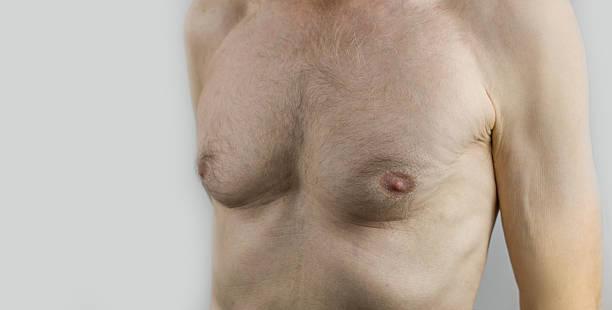
Scarring is one of the most common concerns women have when considering breast surgery. Although breast reduction can decrease breast volume and reshape the breasts, it requires incisions that leave permanent marks. Understanding scar placement, healing, and aftercare can help patients make informed decisions before undergoing Breast Reduction in Dubai.
At Tajmeels Clinic, patients should discuss their preferred breast shape, skin characteristics, and concerns about visible scars during their surgical consultation.
Why Breast Reduction Surgery Leaves Scars
Breast reduction involves removing selected breast tissue, fat, and skin. The remaining tissue is reshaped, and the nipple-areola complex may need to be repositioned to achieve an appropriate breast contour.
The incisions allow the surgeon to perform these changes safely. Their location and length depend on breast size, the amount of tissue being removed, skin elasticity, and the surgical technique.
Common incision patterns include:
-
Around the areola: An incision follows the border of the darker skin surrounding the nipple.
-
Vertical incision: An incision around the areola continues vertically towards the breast crease.
-
Inverted-T incision: Incisions extend around the areola, vertically down the breast, and along the breast crease.
Not every patient is suitable for every technique. The surgeon determines the appropriate approach after examining the breasts and discussing the intended reduction.
Breast Reduction in Dubai and the Stages of Scar Healing
Scar appearance changes over time. Initially, incision lines may look pink, red, raised, or more noticeable than expected. They generally mature gradually, although the process can take many months and sometimes longer.
Factors That Influence Breast Reduction Scar Appearance
Several factors can affect healing, including:
-
Individual skin characteristics and genetics.
-
The incision pattern and surgical technique.
-
Wound tension and the location of the incision.
-
Smoking and certain medical conditions.
-
Infection, delayed healing, or excessive inflammation.
-
Consistency with postoperative instructions.
Some patients develop thickened or raised scars. Others experience scars that remain more noticeable despite appropriate care. Complete scar removal cannot be guaranteed.
How to Care for Scars After Breast Reduction in Dubai
Your surgeon will explain how to care for the incisions during early recovery and when it is safe to begin scar-management measures.
A general approach includes:
-
Keep the incision area clean and follow the recommended wound-care instructions.
-
Avoid stretching or placing unnecessary tension on healing wounds.
-
Attend scheduled postoperative appointments.
-
Ask your surgeon whether silicone gel or silicone sheets are suitable after the incisions have closed.
-
Protect healed scars from excessive sun exposure and follow medical advice about suitable sun protection.
Do not apply unapproved products to open wounds or use aggressive massage before your surgeon confirms that it is appropriate.
Increasing redness, spreading warmth, worsening pain, unusual discharge, or wound separation should be reported promptly to your medical team.
Can Breast Reduction Scars Be Hidden?
Scar visibility depends on the incision pattern, breast anatomy, clothing, and individual healing. Some incision lines may sit beneath the breast crease or around the areola, while vertical scars may remain visible on the lower breast.
During your consultation, ask to see representative, consented clinical photographs where available and discuss how scars may look on skin with characteristics similar to yours. Photographs can provide context but cannot predict your exact result.
Frequently Asked Questions
1. Will breast reduction scars disappear completely?
No. Surgical scars are permanent, although their colour, texture, and visibility often change as they mature.
2. How long do breast reduction scars take to heal?
The skin closes earlier than the scar fully matures. Scar remodelling can continue for many months, and the timeline varies between individuals.
3. Can silicone products improve breast reduction scars?
Silicone gel or sheets may help some scars when used appropriately after wound closure. Ask your surgeon whether they are suitable for you.
4. Does every breast reduction require an inverted-T incision?
No. The incision pattern depends on anatomy, the amount of reduction needed, and the surgeon's assessment.
Discuss Scar Expectations With Tajmeels Clinic
Understanding scar placement is an important part of deciding whether breast reduction is right for you. Tajmeels Clinic can help you discuss suitable surgical approaches, expected healing, scar-care instructions, and the limitations of scar treatment.
Arrange a personalized consultation to understand the likely incision pattern and make an informed decision about your treatment options.

 Arabic
 French
 Spanish
 Portuguese
 Deutsch
 Turkish
 Dutch
Dutch
 Italiano
 Russian
 Romaian
 Portuguese (Brazil)
 Greek
Greek
 Bengali