


RetinaClear Ingredients, Benefits, and Eye-Care Tips
Healthy vision supports independence, comfort, and quality of life. Whether you spend your day reading, using a computer, driving, or enjoying outdoor activities, looking after your eyes is an important part of a balanced wellness routine. Nutrient-rich foods, healthy habits, and regular eye examinations can all contribute to maintaining eye health.
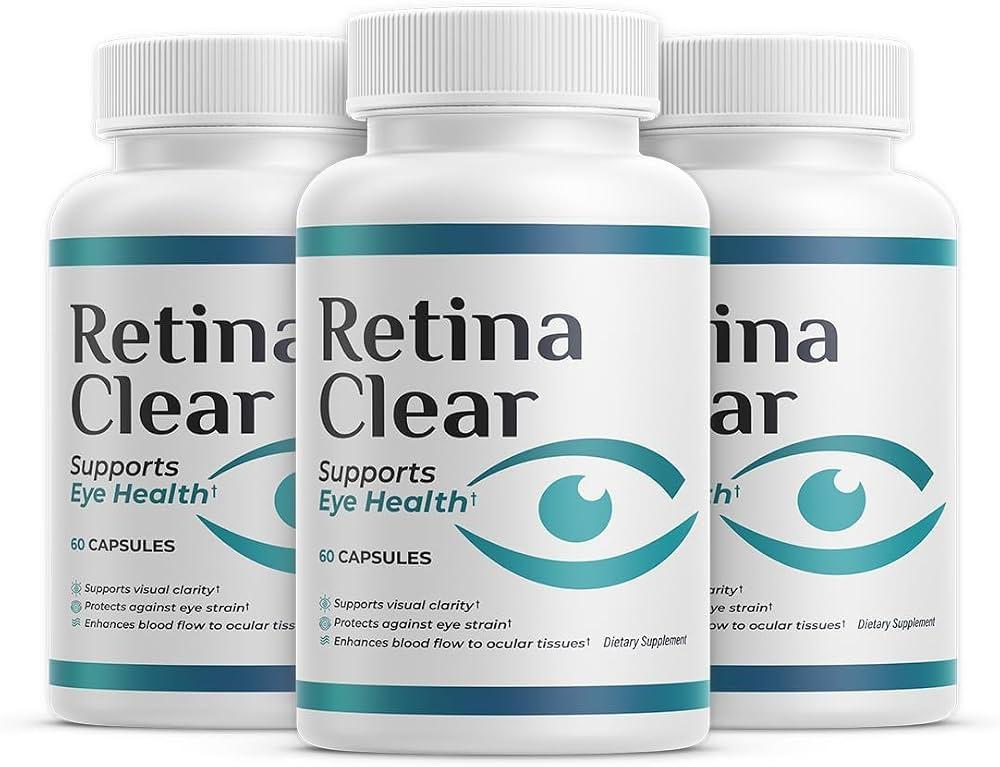
RetinaClear is marketed as a dietary supplement formulated with antioxidants, carotenoids, and botanical ingredients intended to support eye wellness. Its published ingredient list highlights lutein, zeaxanthin, bilberry extract, quercetin, vitamin A in the form of beta-carotene, and vitamin C.
In this article, we will explore the product's featured ingredients, discuss what is known about their nutritional roles, and explain how to make informed decisions about eye-health supplements.
Why Eye Nutrition Matters
The eyes contain delicate tissues that require an adequate supply of nutrients to function normally. The retina is the light-sensitive tissue at the back of the eye, while the macula supports detailed central vision. These structures work together to help people recognize objects, read, and distinguish fine details.
A balanced diet provides vitamins, minerals, carotenoids, and other compounds that contribute to normal body functions. Some nutrients also act as antioxidants, helping the body manage oxidative stress. This is relevant to research on eye health because retinal tissues are exposed to light and have substantial metabolic activity.
However, nutrition is only one factor in maintaining healthy vision. Age, genetics, existing eye conditions, smoking, chronic diseases, medications, and environmental exposure can all influence eye health.
An eye-health supplement may help complement dietary intake in selected circumstances, but it cannot guarantee clearer vision or prevent every age-related eye condition.
What Makes RetinaClear Different?
RetinaClear's product information emphasizes a combination of nutrients and plant extracts selected for their association with eye wellness. Instead of relying on a single ingredient, the formula is presented as a blend of carotenoids, vitamins, and botanical compounds.
The website also explains that RetinaClear has been rebranded as Reticlear, with the same formula reportedly retained under the new identity. Because names, packaging, and product listings can change, consumers should verify the current product label and manufacturer information before ordering.
It is also important to distinguish ingredient research from clinical evidence about a finished product. Studies of individual nutrients do not automatically prove that a particular supplement produces the same effects. The dose, formulation, study population, and quality of evidence all matter.
Exploring the Featured RetinaClear Ingredients
Lutein: A Carotenoid Found in the Macula
Lutein is a naturally occurring carotenoid found in the macula of the eye. It contributes to macular pigment, which has been studied for its role in filtering some high-energy visible light and helping manage oxidative stress.
Dark leafy greens, including spinach and kale, are common food sources of lutein. Including these foods regularly can contribute to a varied, nutrient-rich diet.
RetinaClear features lutein as part of its eye-support formula. While lutein has been investigated in studies of eye health, consumers should not interpret its presence as proof that the supplement will correct blurry vision or restore lost eyesight.
Zeaxanthin: Working Alongside Lutein
Zeaxanthin is another carotenoid present in the macula. It is frequently discussed together with lutein because both contribute to macular pigment.
Dietary sources include corn, peppers, and some leafy green vegetables. A variety of colorful plant foods can help provide carotenoids as part of everyday nutrition.
RetinaClear lists zeaxanthin among its featured ingredients. Its potential relevance depends on the full formula and the person's overall nutritional intake, and the product should not be treated as a replacement for professional eye care.
Bilberry Extract: A Botanical Source of Anthocyanins
Bilberries contain anthocyanins, plant pigments that have antioxidant properties. Bilberry extracts are often included in products marketed for eye wellness.
Research has explored whether bilberry compounds may affect visual function, circulation, or other biological processes. However, evidence for many commonly advertised benefits remains limited or inconsistent. Claims that bilberry reliably improves night vision or eliminates screen-related eye fatigue should therefore be treated cautiously.
RetinaClear includes bilberry extract as one of its botanical components. If you are considering a concentrated extract, review the label and ask a healthcare professional about possible interactions with your medicines.
Quercetin: A Plant-Derived Flavonoid
Quercetin occurs in foods such as onions, apples, and several other fruits and vegetables. It is studied for antioxidant and other biological properties.
Although these properties make quercetin relevant to nutritional research, it is not possible to conclude that taking it in supplement form will necessarily improve vision or relieve eye discomfort. More evidence is needed to support many specific claims made about quercetin supplements.
RetinaClear lists quercetin as part of its multi-ingredient formulation.
Vitamin A: Essential for Normal Vision
Vitamin A is necessary for normal visual function, including processes involved in seeing in dim light. Beta-carotene, which occurs in foods such as carrots and sweet potatoes, can be converted by the body into vitamin A.
A deficiency of vitamin A can cause serious health problems, including vision-related effects. Nevertheless, supplementation is not automatically beneficial for people who already obtain enough vitamin A through food and other sources.
Excessive intake of preformed vitamin A can be harmful. High-dose beta-carotene supplements can also be unsuitable for some people, especially current or former smokers. Review the product label carefully and seek professional guidance if you have questions about your intake.
Vitamin C: An Essential Antioxidant Nutrient
Vitamin C contributes to normal antioxidant defenses and collagen formation. It is found in citrus fruits, berries, peppers, broccoli, and many other foods.
Vitamin C is frequently discussed in research on eye health because oxidative stress is relevant to several biological processes. However, a supplement containing vitamin C should not be described as a guaranteed way to prevent cataracts or stop age-related visual decline.
RetinaClear includes vitamin C as part of its stated nutritional approach.
What Benefits Can You Realistically Expect?
RetinaClear is marketed to support visual clarity, retinal health, and antioxidant protection. It is useful to separate general nutritional functions from outcomes that have been clinically demonstrated for a particular product.
Support for normal visual function: Adequate vitamin A intake is essential for normal vision. Carotenoids such as lutein and zeaxanthin are associated with the macular pigment.
Antioxidant nutrition: Vitamin C, quercetin, bilberry anthocyanins, and other plant compounds are studied for their antioxidant properties. These properties alone do not prove that a supplement prevents eye disease.
Convenient nutrient intake: Supplements can be convenient for some people, but they should complement—not replace—a balanced diet.
Support within a broader routine: Healthy eating, appropriate eye protection, routine examinations, and management of underlying health conditions are important parts of a comprehensive approach to eye wellness.
Be cautious about claims that a supplement guarantees improved night vision, eliminates glare, reverses age-related eye problems, or makes glasses unnecessary. Symptoms such as persistent blurring, difficulty seeing at night, eye pain, or ongoing dryness can have several causes and should be evaluated appropriately.
Simple Habits to Help Care for Your Eyes
Follow the 20-20-20 Approach
During prolonged screen work, take regular breaks to look at something approximately 20 feet away for around 20 seconds. This practical reminder may help reduce discomfort associated with extended close-up viewing.
Adjust Your Screen and Lighting
Position your screen at a comfortable distance and reduce distracting glare. Use suitable room lighting and adjust brightness to make reading comfortable. Increasing text size can also help reduce the need to squint.
Keep Your Diet Varied
Include a range of vegetables, fruits, whole grains, legumes, nuts, and other nutrient-rich foods. Leafy greens can provide lutein, while colorful produce provides a variety of vitamins and plant compounds. Food variety is generally more useful than relying on one ingredient alone.
Protect Your Eyes Outdoors
Choose sunglasses that block 99–100% of UVA and UVB rays. Wear appropriate protective eyewear when working with tools, playing certain sports, or participating in activities that may expose the eyes to injury.
Do Not Ignore Vision Changes
Routine eye examinations can identify certain problems before obvious symptoms develop. Seek urgent medical care if you experience sudden vision loss, a sudden increase in floaters, flashes of light, a curtain-like shadow, or severe eye pain.
How to Use RetinaClear Responsibly
The product information supplied for RetinaClear recommends two capsules daily with a meal and a full glass of water. Always check the current label and follow its instructions, particularly if the product has been rebranded or its packaging has changed.
Do not exceed the stated serving size unless a qualified healthcare professional specifically advises otherwise. More vitamins or botanical ingredients do not necessarily produce better results.
If you take prescription medicines, have an existing health condition, are pregnant or breastfeeding, or use other supplements, consult a healthcare professional or pharmacist before starting a new formula. This is especially important when combining products that contain overlapping vitamins or concentrated plant extracts.
Keep the supplement stored according to the label and out of reach of children. If you experience an unexpected reaction, stop using it and seek appropriate medical advice.
Buying RetinaClear: What Should You Check?
The product website describes several package options, including single-bottle, three-bottle, and six-bottle purchases, as well as a 60-day money-back guarantee. It also advertises free shipping for selected multi-bottle orders.
Prices, shipping conditions, guarantee terms, and package availability may change. Before placing an order, review the official checkout page and confirm the total cost, refund eligibility, and return instructions.
Look for a complete ingredient list and serving information. If the product name appears as Reticlear rather than RetinaClear, confirm that the label and product details match the item you intend to purchase.
For product details, current offers, and the seller's stated policies, visit the official RetinaClear website.
Buying directly from an official website may make it easier to review the seller's published policies, but consumers should still read the terms carefully and keep their order confirmation.
Frequently Asked Questions About RetinaClear
Does RetinaClear improve eyesight?
RetinaClear is marketed for nutritional eye support. There is not enough information in the supplied product description to conclude that the finished supplement reliably improves eyesight or treats a particular eye condition.
Can it prevent age-related eye disease?
Do not assume that taking a supplement will prevent age-related eye disease. Some nutrients have been studied in specific clinical settings, but results depend on the condition, formulation, and individual circumstances. Ask an eye-care professional about evidence-based options for your situation.
Is RetinaClear a replacement for an eye examination?
No. Supplements cannot replace eye examinations, prescribed corrective lenses, or medical treatment. Persistent or sudden vision changes require appropriate professional assessment.
How many capsules should I take?
The supplied product information recommends two capsules daily with a meal and water. Check the current packaging for the authoritative serving instructions, and consult a healthcare professional if you are uncertain whether the product is suitable for you.
What if I do not notice any difference?
There is no guaranteed timeline for benefits from a nutritional supplement. If your symptoms persist or worsen, do not continue waiting for the product to work instead of seeking professional advice. Review the seller's refund policy if you are considering a return.
Final Thoughts on RetinaClear
RetinaClear combines lutein, zeaxanthin, bilberry extract, quercetin, vitamin A, and vitamin C in a formula marketed for eye-health support. These ingredients have different nutritional roles, and some have been investigated for their association with the retina, macula, and oxidative stress. However, their presence does not guarantee improved eyesight or protection from eye disease.
The most sensible approach to eye wellness includes a balanced diet, regular breaks during screen use, suitable UV protection, and routine eye examinations. A supplement may be considered as part of that approach after reviewing its ingredients and checking whether it is appropriate for your individual needs.
Before purchasing RetinaClear, read the current product label, verify the seller's terms, and discuss any health concerns with a qualified professional.
Disclaimer: This article is for educational purposes only and is not medical advice. Dietary supplements are not substitutes for diagnosis, treatment, or routine eye care. Seek professional advice for persistent symptoms or any sudden change in vision.

 English
 Arabic
 French
 Spanish
 Deutsch
 Turkish
 Dutch
Dutch
 Italiano
 Russian
 Romaian
 Portuguese (Brazil)
 Greek
Greek
 Bengali