


How Does Insert Design Influence Plumbing System Performance
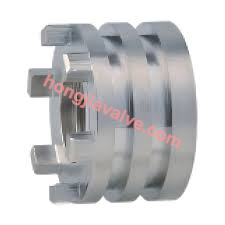
What Role Does a PP-R Insert Play in Plumbing System Performance?
A plumbing network depends on the compatibility of its pipes, fittings, valves, and connection points, since each component contributes to safe water distribution and convenient maintenance. A pp-r insert provides a transition between polypropylene random copolymer piping and threaded metal components, allowing different parts of a system to work together. For engineers, installers, and product distributors exploring solutions from hongjiavalve, how does this small fitting influence the performance of an entire plumbing installation?
Connecting Plastic Pipes With Threaded Components
PP-R piping is widely used in residential water supply, commercial buildings, and selected heating applications. Its joints are generally formed through heat fusion, which creates a continuous connection between compatible plastic components. However, many plumbing accessories, including valves, taps, gauges, and certain equipment interfaces, rely on threaded connections. An insert helps bridge these different connection methods.
The component is incorporated into a compatible fitting during manufacture, creating a threaded interface for the attachment of another part. This arrangement allows a plastic piping network to connect with metal accessories without requiring every component to share the same material or joining method. Its dimensions, thread specification, and installation position should match the intended application so that the assembled system functions as designed.
Connection Stability and Sealing
Connection stability depends on several factors, including thread accuracy, material quality, fitting geometry, and installation technique. When the threaded section matches the connecting component, the installer can assemble the joint according to the relevant product instructions. Incorrect thread specifications or excessive tightening, by contrast, may damage the connection or place unnecessary stress on surrounding parts.
Sealing also requires attention to the complete joint rather than the insert alone. The appropriate sealing method depends on the thread type and the fitting design. During installation, the connecting surfaces should be clean, aligned, and free from visible damage. The joint should then be checked according to the system manufacturer's instructions and applicable plumbing requirements.
The interface between the insert and the surrounding PP-R material is equally important. The embedded section must remain securely integrated with the plastic fitting under the operating conditions for which it was designed. Manufacturing consistency, suitable geometry, and controlled production processes all contribute to dependable assembly. Correct installation and appropriate pressure testing are also essential when verifying system integrity.
Material Selection and Operating Conditions
Material selection should reflect the water quality, temperature range, pressure conditions, and intended service environment. Metal inserts are used in many threaded plumbing fittings, with brass being a common choice. The precise alloy, surface treatment, and dimensional tolerances can influence the component's suitability for a particular installation. Where drinking water is involved, the material should meet the applicable requirements for potable-water contact.
PP-R systems may serve hot or cold water applications, but the performance of an assembled connection depends on the ratings of its individual components. Temperature changes can cause different materials to expand at different rates, placing stress on the boundary between the insert and the polymer. Selecting a fitting designed for the expected operating conditions helps address this engineering consideration.
Chemical exposure should also be assessed when the system carries treated water or operates in a specialized environment. Compatibility cannot be assumed from appearance alone. Technical specifications, relevant compliance documentation, and supplier guidance should be reviewed before a component is selected for demanding service.
Installation, Inspection, and Maintenance
Preparation is an important part of achieving a sound connection. Before assembly, installers should confirm the pipe size, fitting type, thread standard, and intended direction of connection. PP-R fusion work must follow the specified heating procedure, alignment requirements, and cooling period. The joint should not be twisted or disturbed while the fused material is setting unless the product instructions explicitly permit the action.
After installation, inspection can identify visible alignment problems, damaged threads, or signs of an incomplete joint. Pressure testing should follow the applicable project specification and local plumbing rules. If leakage or unusual movement appears, the affected section should be assessed and repaired using an approved procedure instead of relying on excessive tightening as a quick fix.
Maintenance planning benefits from accessible connection points. Where valves, meters, or other serviceable accessories are connected through threaded interfaces, technicians may be able to remove or replace the relevant component without cutting an entire section of fused pipe. The actual procedure depends on the fitting arrangement and system design, so access and replacement needs should be considered during planning.
Choosing Components for a Complete Plumbing System
A suitable fitting should be selected as part of the complete piping assembly rather than as an isolated item. Check the thread type, dimensions, material, pressure and temperature ratings, applicable standards, and compatibility with the connected valve or accessory. Product drawings and technical data can help installers verify these details before work begins.
Manufacturers also contribute to system performance through dimensional control, material inspection, production management, and clear product information. For distributors and plumbing contractors, consistent specifications make it easier to compare parts and coordinate them with project requirements. Questions about custom requirements, available configurations, or application suitability should be discussed with the supplier before an order is finalized.
Taizhou Hongjia Valve Co., Ltd. manufactures plumbing products including PP-R inserts, brass valves, brass fittings, and water-heating accessories. Its product range and company information are available through the official website, where visitors can review the https://www.hongjiavalve.com when evaluating components for a plumbing project. By checking product specifications and confirming compatibility with the intended piping arrangement, professionals can select suitable connection parts and plan an installation around practical operating requirements.

 Arabic
 French
 Spanish
 Portuguese
 Deutsch
 Turkish
 Dutch
Dutch
 Italiano
 Russian
 Romaian
 Portuguese (Brazil)
 Greek
Greek
 Bengali