


Microneedling Treatment with PRP in Dubai: Common Questions
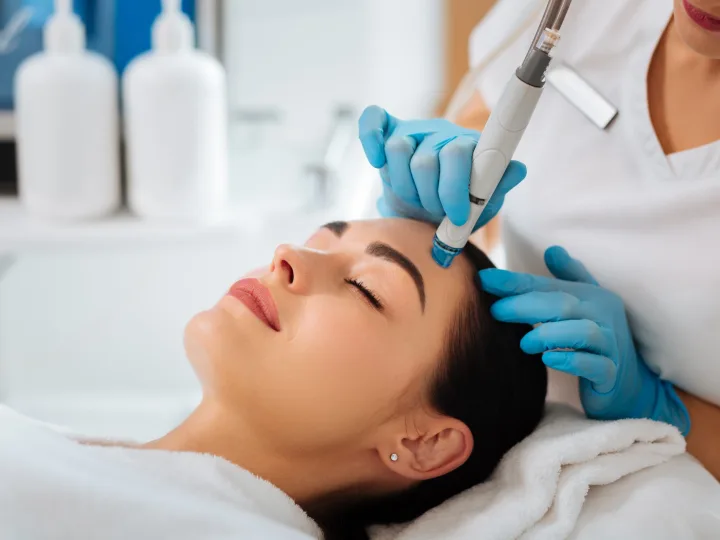
If you are considering a skin-rejuvenation procedure, it is natural to have questions about how it works, whether it is suitable for your skin, and what recovery involves. Microneedling Treatment with PRP in Dubai combines controlled microneedling with platelet-rich plasma (PRP) to address selected concerns, such as uneven texture and certain types of acne scars.
The procedure may offer gradual improvements for some people, but outcomes vary according to skin condition, treatment technique, and individual healing. The following answers cover common questions to help you understand the process before making a decision.
What Is Microneedling Treatment with PRP in Dubai?
Microneedling uses a specialized device with fine needles to create tiny, controlled injuries in the skin. These stimulate the body's natural healing response and may encourage collagen production over time.
PRP is prepared from a small sample of the individual's blood by concentrating platelets. The resulting preparation contains growth factors involved in normal healing processes. PRP may be used alongside microneedling, although evidence about its additional benefits compared with microneedling alone remains variable.
What Skin Concerns Can It Help Address?
The treatment may be considered for selected concerns, including shallow acne scars, uneven skin texture, and some early signs of skin ageing. It may help soften the appearance of certain textural irregularities as the skin remodels.
However, flat brown marks, redness, active acne, and deeper scars may require different approaches. An assessment is important to identify the actual cause of the concern and determine whether microneedling is appropriate.
Is the Procedure Painful?
The level of discomfort depends on individual sensitivity, the treatment area, and the depth of microneedling. Some people experience a prickling or scratching sensation during the procedure.
A topical numbing product may be used to reduce discomfort. Mild tenderness, redness, or a sunburn-like feeling can remain afterward. Your practitioner should explain what sensations to expect and how discomfort will be managed safely.
How Long Does a Session Take?
The length of a session varies according to the size of the treatment area, the preparation required, and the treatment protocol. Time may also be needed for skin cleansing, numbing, and preparing the PRP from a blood sample.
Ask for an individualized estimate before your appointment rather than relying on a fixed duration. The session should not be rushed at the expense of proper preparation or sterile technique.
When Will Results Become Visible?
Some people notice a fresher appearance after the initial recovery period, but changes in texture and the appearance of scars usually develop more gradually. Collagen remodeling may continue over several weeks or months.
Results depend on the original skin concern, treatment settings, aftercare, and individual healing. Immediate redness or swelling should not be mistaken for a lasting improvement, and no particular outcome can be guaranteed.
How Many Sessions Might Be Needed?
There is no universal number of sessions. Some people may be satisfied with a modest change after one treatment, while others may be advised to consider a series of sessions for selected textural concerns.
The treatment schedule should allow enough time for the skin to recover between appointments. Your practitioner can review the response after each session and decide whether further treatment is appropriate.
Is There Any Downtime?
Temporary redness, swelling, tightness, sensitivity, or mild flaking may occur after microneedling. Many people recover over several days, but the timeline varies depending on the treatment intensity and individual skin response.
Plan to follow your aftercare instructions and avoid activities or products that may irritate the skin during early recovery. If symptoms worsen instead of gradually settling, seek medical advice.
Can All Skin Types Receive the Treatment?
Suitability depends on individual skin characteristics and medical history. People with darker skin tones may be more prone to post-inflammatory hyperpigmentation after skin irritation, so careful assessment and appropriate treatment settings are important.
Microneedling may not be suitable over active infections, open wounds, or certain inflammatory skin conditions. A history of keloid scarring, bleeding-related conditions, or medications that affect healing should also be discussed before treatment.
Is PRP More Effective Than Microneedling Alone?
PRP contains platelets and growth factors involved in the body's normal repair processes. It is used with the aim of supporting healing and potentially improving certain outcomes.
However, scientific evidence on the additional benefits of PRP for microneedling is mixed. It should not be assumed that combining the two will always produce better results. A qualified practitioner should explain the evidence, costs, risks, and alternatives relevant to your skin concern.
What Should You Avoid After Treatment?
Avoid scrubbing, picking, or scratching the treated skin. Strong exfoliating acids, retinoids, and other potentially irritating products should be paused until the skin has recovered and your practitioner confirms that they can be resumed.
Protect your skin from direct sunlight and follow guidance on when to use sunscreen and makeup. You may also be advised to avoid strenuous exercise, swimming, saunas, and excessive heat for a short period after treatment.
Do not apply unapproved serums or home remedies to freshly treated skin, as these may cause irritation or introduce contaminants.
Are There Any Potential Side Effects?
Possible side effects include redness, swelling, discomfort, bruising, pinpoint bleeding, infection, scarring, and changes in skin pigmentation. The likelihood of complications depends on personal risk factors and how the procedure is performed.
Choose a suitably trained professional who uses sterile equipment and follows safe blood-handling practices. Seek prompt medical advice if you develop worsening pain, spreading redness, pus, fever, or other concerning symptoms.
How Can You Prepare for an Appointment?
Before treatment, discuss your skin concerns, medical history, allergies, medications, previous procedures, and history of cold sores or unusual scarring. Tell the practitioner about active breakouts, irritation, or recent sunburn.
Follow the preparation instructions you receive, and do not stop prescribed medication unless the prescribing healthcare professional advises you to do so. Use the consultation to discuss realistic outcomes, recovery expectations, and alternatives.
Is Microneedling with PRP the Right Choice for You?
Microneedling with PRP may be an option for people who want to address selected skin-texture concerns without surgery. It is not a universal solution, and different problems may respond better to other treatments. Understanding the likely benefits and limitations helps you make a decision based on your individual needs.
For those researching Microneedling Treatment with PRP in Dubai, TAJMEELS CLINIC can be a starting point for discussing treatment suitability, safety, recovery, and realistic expectations for skin improvement.
For More Details, Contact Us Through:
WhatsApp: +971 56 203 8751
Phone: +971 4 373 9000
Social Media:

 English
 Arabic
 French
 Spanish
 Portuguese
 Turkish
 Dutch
Dutch
 Italiano
 Russian
 Romaian
 Portuguese (Brazil)
 Greek
Greek
 Bengali