


Choosing Suitable Fire Protection Solutions for Everyday Materials
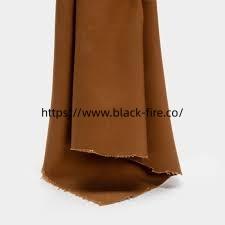
Fire safety planning often involves materials that serve practical purposes but may contribute to flame spread under certain conditions. When considering Fire Retardant Liquid, buyers should examine how the formulation interacts with the target material, how it is applied, and what performance has been verified through appropriate testing. A treatment suitable for one surface may not deliver the same result on another, making material compatibility a central part of product selection.
The composition of a liquid treatment influences its behavior during application and after drying. Formulations may contain active ingredients, carriers, stabilizing components, or other substances designed to support the intended function. Some products are developed for specific substrates, while others may be suitable for a broader range of applications. Buyers should review the product documentation to understand its intended uses, handling requirements, and limitations before choosing a treatment.
The condition of the target surface also matters. Porous materials may absorb a liquid differently from smooth or coated surfaces, while existing finishes can affect how evenly a treatment spreads or attaches. Dust, oil, moisture, and previous coatings may interfere with application. Preparing the surface according to the manufacturer's instructions helps create more consistent treatment conditions and reduces the risk of unsuitable results.
Choosing a product should begin with identifying the material and the fire safety objective. Textiles, wooden components, paper-based products, and selected building materials can have different treatment needs. Buyers should communicate the substrate type, its existing finish, its intended environment, and any relevant regulatory requirements to the supplier. This information helps establish whether the product is appropriate for the proposed application.
Performance documentation is another important purchasing consideration. General descriptions such as fire protection or flame resistance do not establish that a treatment meets every requirement. Buyers should ask which tests have been conducted, what materials were tested, and whether the reported results apply to the intended use. Where regulations or project specifications apply, the selected treatment should be evaluated against those requirements rather than chosen solely on the basis of marketing language.
Application technology affects the final result. Depending on the formulation and substrate, a treatment may be applied through spraying, brushing, dipping, or another specified process. The method should support suitable coverage while respecting the manufacturer's instructions. Application conditions, surface preparation, drying, and curing requirements may influence the outcome, so operators should avoid assuming that different products can be handled in the same way.
A treated surface must also be assessed as part of the complete material system. The treatment may interact with dyes, adhesives, coatings, finishes, or other components already present. In some applications, changes to texture, color, stiffness, or surface feel may matter as much as the fire-related function. A compatibility trial on a small, representative area can help identify visible or handling changes before broader use, provided the trial follows the product instructions.
Environmental exposure can influence the suitability of a treatment over time. Moisture, cleaning, abrasion, sunlight, and regular contact may affect different formulations in different ways. Buyers should clarify whether the treated material is intended for indoor or outdoor use and whether repeated cleaning or handling is expected. They should also determine if reapplication or periodic inspection is required to maintain the intended performance.
Ease of use matters for both professional operators and organizations responsible for maintaining treated materials. Clear instructions, understandable safety information, suitable packaging, and practical application procedures can make procurement and implementation easier to manage. Users should follow the specified precautions for storage, ventilation, personal protection, and disposal. A product should never be assumed harmless merely because it is designed for fire protection or described as environmentally considerate.
Appearance remains relevant in spaces where treated materials are visible. Curtains, upholstered furnishings, wooden surfaces, and decorative components may need to retain their original character after treatment. Buyers can consider whether a product is designed to leave a visible finish, whether it may alter surface texture, and whether it is compatible with the desired presentation. These details are particularly important in hospitality, commercial interiors, transportation, and public facilities.
Zhejiang Taizhou BlackFire Technology Co., Ltd. offers fire protection products alongside its specialized textile materials. Its product range includes liquid and spray-based solutions intended for selected fire safety applications. For distributors, facility managers, and manufacturers, discussing substrate compatibility, application procedures, performance evidence, and maintenance expectations with a supplier can help determine whether a product fits a particular project.
Product evaluation can also benefit from a documented application plan. Recording the treated material, preparation method, application conditions, and relevant test information can make later inspection and maintenance more organized. Where a project involves regulated building components, transportation interiors, or protective equipment, buyers should verify whether the treatment is accepted for that specific use and whether the complete assembly requires separate testing or certification. Further information about Zhejiang Taizhou BlackFire Technology Co., Ltd.'s products is available at https://www.black-fire.net/product/

 English
 Arabic
 French
 Spanish
 Portuguese
 Deutsch
 Turkish
 Dutch
Dutch
 Italiano
 Russian
 Portuguese (Brazil)
 Greek
Greek
 Bengali