


How Body Peeling Can Improve Rough and Uneven Skin Texture
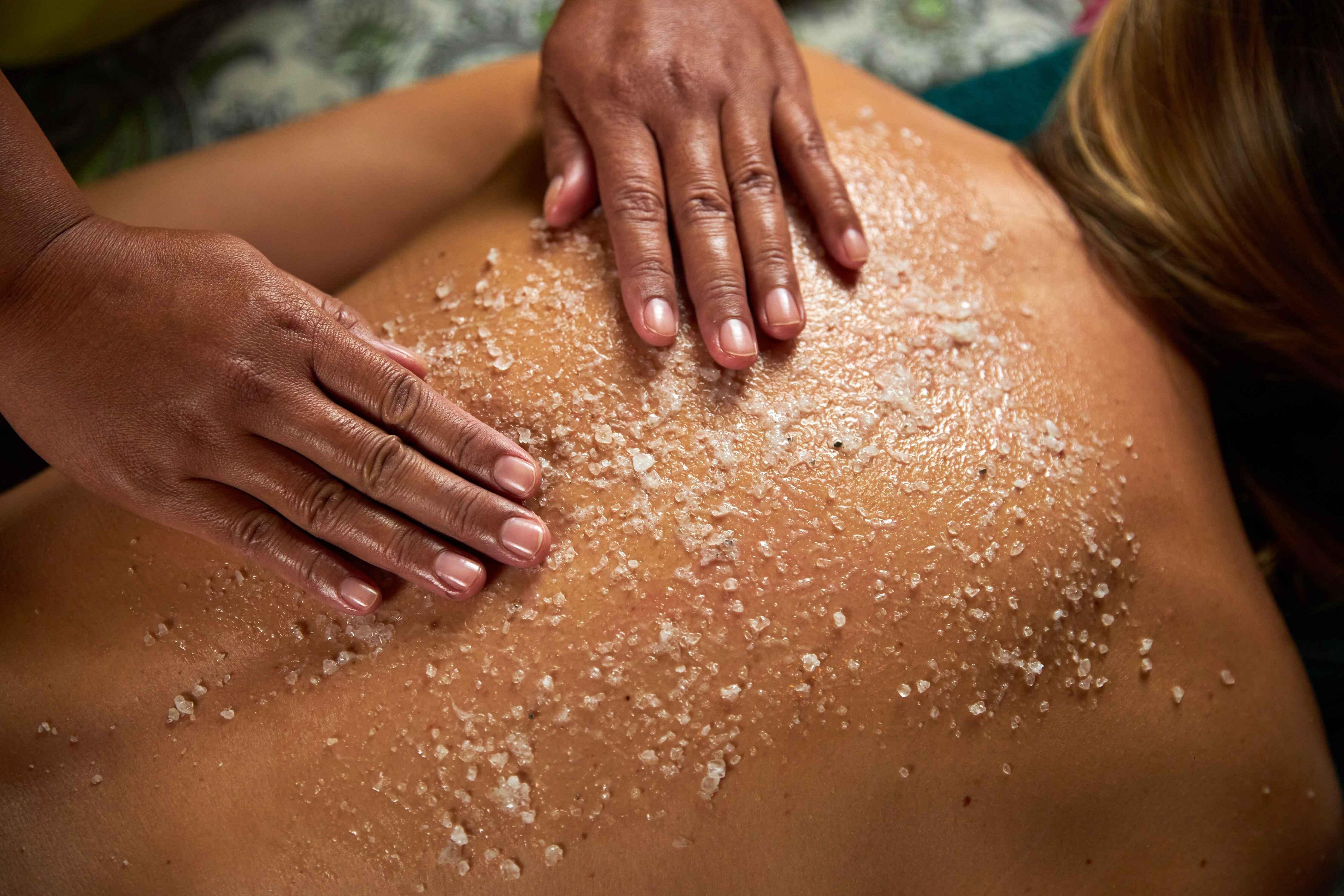
Smooth and healthy-looking skin is not only about the face. Areas such as the arms, back, elbows, knees, legs, and shoulders can also develop roughness, dryness, uneven texture, and dull-looking skin. Dead skin cell buildup, dryness, sun exposure, body acne, friction, and ingrown hairs can all affect the way body skin looks and feels.
Regular cleansing and moisturizing can support healthy skin, but sometimes surface buildup may make the skin feel rough despite following a routine. Professional body peeling is one option that can help exfoliate the skin, improve texture, and promote a smoother-looking appearance.
At Purple Aesthetic Center, body peeling treatments are customized according to individual skin concerns, sensitivity, and treatment goals.
What is Body Peeling?
Body peeling is a professional exfoliation treatment designed to remove accumulated dead skin cells from the surface of the skin. Depending on the treatment, carefully selected exfoliating ingredients may be used to encourage skin renewal and improve the appearance of rough or uneven areas.
Unlike everyday body scrubs, professional peeling treatments can be customized according to the condition and sensitivity of the skin.
Body peeling may help address concerns such as:
- Rough skin texture
- Dry and dull skin
- Uneven skin tone
- Body pigmentation
- Certain acne marks
- Mild congestion
- Keratosis pilaris-like roughness
- Darker-looking elbows and knees
The exact treatment depends on the individual's skin condition.
Why Does Body Skin Become Rough and Uneven?
Several factors can affect body skin texture.
Dead Skin Cell Buildup
Skin naturally sheds dead cells, but buildup on the surface can make certain areas feel rough and appear dull.
Dryness
Low moisture levels can make the skin feel tight, flaky, or rough.
Sun Exposure
UV exposure can contribute to tanning, pigmentation, uneven tone, and premature skin aging.
Friction
Repeated friction from tight clothing, shaving, or regular movement can contribute to irritation and uneven skin texture.
Body Acne
Acne on the back, chest, or shoulders can leave behind marks and uneven-looking skin.
Ingrown Hairs
Ingrown hairs and frequent shaving can contribute to bumps, irritation, and roughness.
Keratin Buildup
Excess keratin around hair follicles can create small, rough bumps, particularly on the upper arms and thighs.
How Can Body Peeling Improve Skin Texture?
Body peeling works primarily by exfoliating the outermost layer of dead skin cells. Depending on the type of peel, it may provide several benefits.
Removes Surface Buildup
Exfoliation helps remove accumulated dead skin cells, allowing fresher-looking skin underneath to become more visible.
Makes Skin Feel Smoother
By reducing surface roughness, body peeling can help the skin feel softer and smoother.
Supports Skin Renewal
Professional exfoliation encourages the natural process of skin renewal, which can contribute to a more refined appearance.
Helps Improve Uneven Tone
Certain peeling treatments may help reduce the appearance of mild pigmentation and tanning, resulting in a more even-looking complexion.
Improves the Appearance of Rough Areas
Areas such as elbows, knees, arms, and legs may benefit from targeted exfoliation when dryness or buildup contributes to roughness.
Which Areas Can Be Treated?
Body peeling can be performed on different areas depending on the individual's concerns and the suitability of the treatment.
Common areas include:
- Arms
- Legs
- Back
- Shoulders
- Chest
- Elbows
- Knees
Sensitive areas require additional consideration, and the treatment should always be customized according to the skin condition.
Can Body Peeling Help With Body Pigmentation?
Body peeling may help improve the appearance of certain superficial pigmentation concerns by removing damaged surface cells and supporting skin renewal.
It may be considered for:
- Mild tanning
- Dark elbows
- Dark knees
- Post-acne marks
- Uneven body skin tone
- Certain superficial pigmentation concerns
However, pigmentation can have different causes. Hormonal changes, inflammation, repeated friction, and sun exposure may contribute to pigmentation, so identifying the underlying cause is important.
Can Body Peeling Help With Rough Bumpy Skin?
Some people experience small, rough bumps on areas such as the upper arms and thighs. These may be associated with keratin buildup around hair follicles.
Appropriate exfoliation can help improve the appearance and feel of these areas. However, body peeling may not be suitable for every type of bump or skin condition.
A professional skin assessment can help determine whether peeling is appropriate.
What Happens During a Body Peeling Treatment?
The exact procedure varies depending on the type of peel and the area being treated.
Skin Assessment
Before treatment, the skin is examined to identify dryness, pigmentation, sensitivity, acne, or other concerns.
Skin Preparation
The treatment area is cleansed and prepared to ensure that the skin is ready for the peeling procedure.
Application of the Peel
A professionally selected peeling solution is applied to the targeted area. The strength and formulation depend on the individual's skin type and treatment goal.
Removal or Neutralization
Depending on the type of peel used, the solution may be removed or neutralized according to the treatment protocol.
Post-Treatment Care
Moisturizing and protective products may be applied to support the skin after treatment.
The professional will also provide aftercare instructions based on the type of peel performed.
What Results Can You Expect?
Results vary depending on the condition of the skin and the type of peeling treatment used.
After treatment, the skin may gradually appear:
- Smoother
- Softer
- Brighter
- More refined
- More even in tone
- Less dull
Some treatments may produce visible improvement after one session, while persistent roughness, pigmentation, or uneven texture may require multiple sessions.
It is important to understand that body peeling improves the appearance of the skin gradually and does not permanently prevent dryness, pigmentation, or roughness from returning.
Is Body Peeling Painful?
The experience depends on the type and strength of the peel and the individual's sensitivity.
Some people may experience mild tingling, warmth, or temporary sensitivity during treatment. Stronger peels may cause more noticeable sensations.
A professional should select the treatment according to the skin's tolerance and condition.
Is There Any Downtime?
Downtime depends on the type of peel used. Mild treatments may involve little to no downtime, while stronger peels can cause temporary dryness, redness, or peeling.
During the healing period, it is important to avoid picking or pulling at peeling skin.
Following the recommended aftercare routine can help support proper recovery.
Important Aftercare Tips
Aftercare is an important part of achieving better results.
Keep the Skin Moisturized
Apply a suitable moisturizer to help maintain the skin barrier and reduce excessive dryness.
Protect the Skin From the Sun
Use broad-spectrum sunscreen on exposed areas. Sun protection is particularly important after exfoliating treatments.
Avoid Scrubbing
Do not use harsh body scrubs or exfoliating gloves while the skin is recovering.
Do Not Pick Peeling Skin
Allow the skin to shed naturally. Picking can increase irritation and may contribute to pigmentation.
Wear Comfortable Clothing
Loose, breathable clothing can help minimize friction and irritation after treatment.
Follow Professional Instructions
Use only the products recommended for your skin during the recovery period.
Who Should Consider Body Peeling?
Body peeling may be considered by individuals concerned about:
- Rough skin
- Dull body skin
- Uneven texture
- Mild pigmentation
- Tanning
- Body acne marks
- Rough patches
- Dry, flaky skin
However, professional evaluation is important before treatment, particularly if you have sensitive skin or an existing skin condition.
Who May Need to Postpone Treatment?
Body peeling may need to be postponed if the treatment area has:
- Open wounds
- Active infections
- Severe irritation
- Fresh sunburn
- Significant inflammation
- Recently damaged skin
You should also inform the professional about recent waxing, shaving, laser treatments, or other procedures performed on the area.
Common Myths About Body Peeling
Myth 1: Body Peeling is the Same as a Body Scrub
Professional peeling treatments and physical body scrubs work differently. Peels use selected exfoliating ingredients, while scrubs rely on physical friction.
Myth 2: Stronger Peels Always Give Better Results
A stronger treatment is not necessarily better. The appropriate strength depends on the individual's skin type and concern.
Myth 3: Peeling Permanently Removes Pigmentation
Body peeling can improve the appearance of certain pigmentation, but pigmentation may return if contributing factors such as sun exposure or friction continue.
Myth 4: You Should Peel the Skin Yourself
Trying to force peeling or using excessively strong exfoliating products at home can damage the skin and increase irritation.
Myth 5: Moisturizer is Not Needed After Exfoliation
Moisturization is particularly important after exfoliating treatments because it helps support the skin barrier.
How Can You Maintain Smoother Body Skin?
Professional treatment can be supported by simple daily habits.
- Moisturize regularly.
- Use sunscreen on exposed areas.
- Avoid aggressive scrubbing.
- Choose gentle body cleansers.
- Avoid unnecessarily tight clothing.
- Do not pick at bumps or irritated areas.
- Follow a consistent skincare routine.
- Maintain adequate hydration.
These habits can help maintain smoother-looking skin between professional treatments.
When Should You Consult a Professional?
Consider professional advice if rough or uneven skin texture:
- Continues despite regular skincare
- Is accompanied by pigmentation
- Develops with persistent body acne
- Includes recurring bumps
- Causes significant dryness or irritation
- Does not improve with gentle exfoliation and moisturizing
A professional assessment can help determine whether body peeling is appropriate or whether another treatment would better address the underlying concern.
Choosing the Right Skin Care Center
Choosing the right skin care center is important when considering a professional peeling treatment. Look for a center that evaluates your skin before treatment, uses appropriate professional-grade products, follows proper hygiene practices, and provides customized aftercare guidance.
If you are searching for professional Body Peeling Treatment in Mira Road, Purple Aesthetic Center provides personalized skin consultations and customized body peeling solutions based on individual skin concerns. The treatment approach is designed to address roughness, dullness, uneven texture, and selected pigmentation concerns while considering the skin's sensitivity and overall condition.
Conclusion
Rough and uneven body skin can develop for many reasons, from dead skin cell buildup and dryness to sun exposure, friction, body acne, and pigmentation. Professional body peeling can help exfoliate the skin, improve surface texture, and create a smoother and more even-looking appearance.
However, the best results depend on choosing the appropriate peeling treatment for your skin. Professional assessment, proper aftercare, regular moisturization, and consistent sun protection all play an important role in maintaining healthier-looking skin.
At Purple Aesthetic Center, customized body peeling treatments are designed around individual skin needs, helping you work toward smoother, softer, brighter, and more even-looking body skin.

 Arabic
 French
 Spanish
 Portuguese
 Deutsch
 Turkish
 Dutch
Dutch
 Italiano
 Russian
 Romaian
 Portuguese (Brazil)
 Greek
Greek
 Bengali