


ECG Test: Why Is It Done and What Can It Reveal About Your Heart?
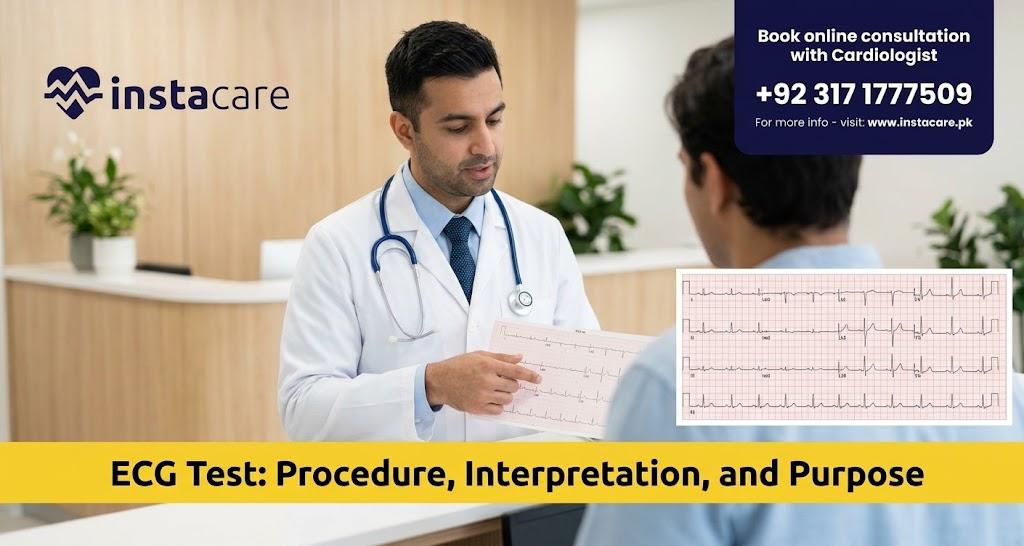
An electrocardiogram (ECG) test is one of the most common and important heart investigations used by cardiologists to understand how your heart is functioning. This simple, painless test records the electrical activity of your heart and helps detect irregular rhythms, heart damage, and other cardiovascular concerns. Whether you have symptoms like chest pain, dizziness, or shortness of breath, or your doctor wants a routine heart assessment, an ECG can provide valuable information about your heart health.
What Is an ECG Test?
An ECG test, also known as an electrocardiogram, is a non-invasive procedure that measures the electrical signals produced by your heart each time it beats. Your heart depends on electrical impulses to maintain a regular rhythm and pump blood effectively throughout your body.
During an ECG, small electrodes are placed on your chest, arms, and legs. These electrodes detect the electrical activity of your heart and display it as wave patterns on a monitor or printed report. A cardiologist analyzes these patterns to check whether your heart rhythm, rate, and electrical conduction are normal.
The test usually takes only a few minutes and does not involve needles, radiation, or discomfort. Because of its simplicity and accuracy, ECG testing is often the first step in diagnosing various heart conditions.
Why Is an ECG Test Done?
Doctors recommend an ECG test for many different reasons. It can be performed as part of a routine health checkup or when specific symptoms suggest a possible heart problem.
One of the main reasons for an ECG is to evaluate symptoms that may be linked to heart issues. These symptoms can include chest discomfort, unexplained fatigue, dizziness, fainting episodes, rapid heartbeat, or breathing difficulties. An ECG helps doctors determine whether these symptoms are related to abnormal heart activity.
An ECG may also be recommended before surgery to ensure your heart is healthy enough for the procedure. People with risk factors such as high blood pressure, diabetes, high cholesterol, smoking history, or a family history of heart disease may also benefit from regular heart monitoring.
Additionally, patients who already have heart conditions may undergo ECG tests to track changes in their heart function and evaluate whether treatments are working effectively.
What Can an ECG Reveal About Your Heart?
An ECG test provides important details about your heart’s electrical activity and can reveal several potential problems.
Abnormal Heart Rhythms
One of the most common conditions detected through an ECG is an irregular heartbeat, also known as arrhythmia. A healthy heart usually beats at a steady rhythm, but electrical problems can cause the heart to beat too fast, too slow, or unpredictably.
Conditions such as atrial fibrillation, bradycardia, and tachycardia can often be identified through ECG patterns. Detecting these rhythm problems early allows doctors to recommend appropriate treatment and reduce the risk of complications.
Signs of Previous or Current Heart Attack
An ECG can show changes in the heart’s electrical patterns caused by damage to the heart muscle. Doctors often use ECG testing during emergencies when a patient experiences chest pain or other warning signs of a heart attack.
The test can help identify whether a heart attack is happening or whether there are signs of a previous cardiac event. This information helps doctors make quick decisions about treatment.
Heart Muscle Problems
Changes in ECG results may indicate that parts of the heart muscle are under stress or not receiving enough oxygen. For example, reduced blood supply to the heart, known as ischemia, can sometimes create noticeable changes in ECG readings.
Although an ECG cannot diagnose every heart condition alone, it provides valuable clues that may lead to additional tests such as an echocardiogram, stress test, or cardiac imaging.
Heart Enlargement
An ECG can sometimes suggest whether certain chambers of the heart have become enlarged. Heart enlargement may occur due to conditions such as high blood pressure or problems with heart valves.
When abnormal patterns appear, doctors may recommend further evaluation to understand the underlying cause and prevent future complications.
Effects of Medications and Treatments
Certain medications can affect heart rhythm and electrical activity. ECG monitoring helps doctors determine whether a medication is having the desired effect or causing unwanted changes.
Patients receiving treatment for heart conditions may need regular ECG testing to ensure their heart remains stable during therapy.
What Happens During an ECG Test?
An ECG test is a straightforward procedure that requires minimal preparation. Before the test begins, you may be asked to remove clothing from the upper body so the electrodes can be placed correctly.
The healthcare professional attaches several small adhesive electrodes to specific areas of your body. You will then lie still while the machine records your heart’s electrical signals.
It is important to remain relaxed and avoid unnecessary movement during the test because muscle activity can affect the accuracy of the results. Once the recording is complete, the electrodes are removed, and you can usually return to your normal activities immediately.
The ECG report is then reviewed by a healthcare provider who interprets the results based on your symptoms, medical history, and overall health.
Are ECG Tests Always Accurate?
While ECG tests are highly useful, they do not detect every heart problem. Some heart conditions may occur only occasionally and may not appear during a short ECG recording.
For example, irregular heart rhythms that happen only from time to time may require longer monitoring through a Holter monitor or event recorder. Similarly, some blockages in the heart arteries may require additional tests for confirmation.
An ECG is an important diagnostic tool, but doctors often combine ECG results with physical examinations, blood tests, imaging studies, and other assessments to create a complete picture of your heart health.
Who Should Consider Getting an ECG Test?
People experiencing heart-related symptoms should consult a healthcare professional to determine whether an ECG is needed. Individuals with risk factors for heart disease may also benefit from regular cardiovascular evaluations.
You should consider discussing an ECG test with your doctor if you experience:
- Persistent chest discomfort
- Unusual shortness of breath
- Frequent dizziness or fainting
- A feeling of racing or irregular heartbeat
- Unexplained weakness or fatigue
- A family history of heart disease
Early detection of heart problems can significantly improve treatment outcomes and help prevent serious complications.
Book Online Appointment With Best Cardiologist Via InstaCare
If you are experiencing heart-related symptoms or want a professional evaluation of your cardiovascular health, consulting an experienced cardiologist is an important step. A qualified heart specialist can review your symptoms, recommend appropriate tests like an ECG, and guide you toward the right treatment plan.
You can book an online appointment with the best cardiologist via InstaCare and get expert medical advice from the comfort of your home. Timely consultation can help identify potential heart concerns early and support better long-term heart health.
Frequently Asked Questions About ECG Test
1. Is an ECG test painful?
No, an ECG test is completely painless. Small electrodes are placed on your skin to record your heart’s electrical activity. You may feel slight discomfort when removing adhesive patches, but the procedure itself does not cause pain.
2. How long does an ECG test take?
A standard ECG test usually takes around five to ten minutes. The actual recording of heart activity only takes a few seconds, but preparation and electrode placement require additional time.
3. Can an ECG detect all heart problems?
No, an ECG cannot detect every type of heart problem. It is excellent for identifying rhythm issues and certain signs of heart damage, but additional tests may be needed for a complete diagnosis.
4. Do I need an ECG if I feel healthy?
Some people may require an ECG as part of a routine medical evaluation, especially if they have heart disease risk factors. Your doctor can determine whether the test is appropriate based on your health history.
5. How often should I get an ECG test?
The frequency of ECG testing depends on your age, health condition, symptoms, and risk factors. People with existing heart conditions may need regular monitoring, while others may only require testing when recommended by a doctor.

 English
 Arabic
 French
 Spanish
 Portuguese
 Deutsch
 Turkish
 Dutch
Dutch
 Italiano
 Romaian
 Portuguese (Brazil)
 Greek
Greek
 Bengali