


The Future of Urban Living: How Modern Real Estate Developments Are Redefining Residential Communities
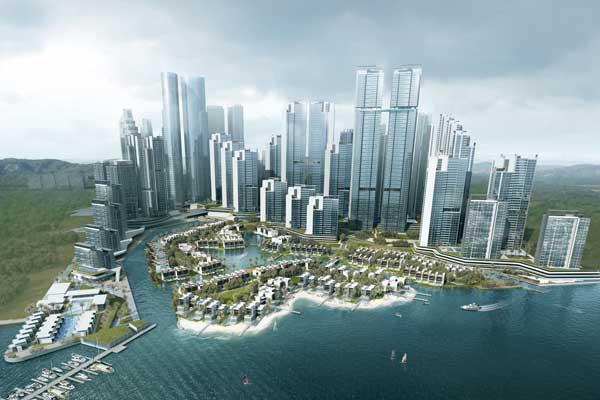
The global real estate industry is undergoing a major transformation as cities continue to grow and lifestyles evolve. Modern residential developments are no longer designed only to provide shelter; they are now built to deliver a complete living experience. Today’s homebuyers expect convenience, connectivity, sustainability, and lifestyle amenities within the same community. As a result, developers across the world are introducing innovative residential projects that combine urban infrastructure with comfortable living environments.
These changes reflect the broader shift in how people view their homes. A house is no longer just a place to live; it has become a space for work, relaxation, social interaction, and personal well-being. Modern developments are designed with this new perspective in mind, creating residential communities that meet the diverse needs of modern residents.
Growing Demand for Integrated Communities
One of the biggest trends shaping the real estate sector today is the rise of integrated residential communities. These projects are designed to bring together housing, recreational facilities, shopping areas, and green spaces in a single location. Instead of traveling long distances for daily needs, residents can access most services within their own neighborhood.
Integrated communities provide several benefits. They reduce travel time, improve convenience, and create stronger community engagement among residents. Families can enjoy parks, playgrounds, and leisure facilities without leaving the residential complex, while professionals benefit from improved access to transport and nearby commercial centers.
This concept has become particularly popular in densely populated urban areas where space is limited and efficient planning is essential.
Importance of Strategic Location
Location remains one of the most important factors influencing property value and buyer interest. Modern residential developments are typically located near major transportation networks, business districts, and lifestyle hubs. Easy access to public transportation, highways, and commercial centers significantly increases the appeal of a residential project.
Developers carefully select locations that offer both convenience and future growth potential. Areas near upcoming infrastructure projects such as metro lines, highways, and commercial districts often experience significant increases in property value over time. This makes such developments attractive not only to homeowners but also to investors looking for long-term returns.
In many major cities, residential projects located near public transit stations tend to attract higher demand because they offer a more convenient commuting experience.
Lifestyle Amenities as a Key Selling Point
Another defining feature of modern residential developments is the emphasis on lifestyle amenities. Buyers today look for more than just a well-designed apartment. They expect facilities that support fitness, recreation, and relaxation within the community.
Common amenities in contemporary residential projects include swimming pools, fitness centers, jogging tracks, landscaped gardens, children’s play areas, and social gathering spaces. Some luxury developments also offer co-working lounges, wellness centers, and entertainment rooms.
These amenities play a significant role in enhancing the overall living experience. They allow residents to maintain a healthy lifestyle, build social connections, and enjoy recreational activities without leaving their neighborhood.
For families with children, access to safe play areas and open green spaces is particularly important. These features not only improve quality of life but also contribute to the long-term desirability of the property.
The Rise of Smart Homes
Technology has also become an essential component of modern residential developments. Smart home systems are increasingly being integrated into new housing projects to improve convenience, efficiency, and security.
Smart homes allow residents to control various aspects of their living environment using mobile devices or digital assistants. Lighting, air conditioning, security cameras, and even home appliances can be managed remotely through connected systems.
These technologies offer several advantages. They improve energy efficiency by optimizing power usage, enhance home security through advanced monitoring systems, and provide greater convenience for residents.
As technology continues to advance, smart home features are expected to become a standard element of future residential developments.
Sustainability and Green Living
Environmental sustainability is another major focus in today’s real estate industry. Developers are increasingly incorporating eco-friendly designs and green technologies into residential projects to reduce environmental impact and improve long-term efficiency.
Many modern developments include energy-efficient lighting systems, water-saving technologies, and environmentally friendly building materials. Solar panels, rainwater harvesting systems, and green roofs are also becoming more common in new housing projects.
Green spaces within residential developments are equally important. Landscaped gardens, tree-lined walkways, and open recreational areas help improve air quality and create a healthier environment for residents.
These sustainable features not only benefit the environment but also reduce long-term maintenance costs for homeowners.
Changing Buyer Preferences
Homebuyer preferences have changed significantly over the past decade. The rise of remote work and flexible working arrangements has influenced how people choose their homes. Many buyers now prioritize larger living spaces, dedicated home offices, and access to outdoor areas.
Developers have responded to these changes by designing apartments with flexible layouts that accommodate multiple uses. Open-plan living areas, multifunctional rooms, and larger balconies are becoming more common in modern housing projects.
Additionally, proximity to essential services such as schools, hospitals, shopping centers, and recreational facilities has become a key consideration for many buyers.
Real Estate as a Long-Term Investment
Real estate continues to be one of the most reliable long-term investment options. Unlike many other asset classes, property investments provide both potential capital appreciation and rental income.
Residential developments located in rapidly growing urban areas often experience steady increases in value over time. Infrastructure improvements, economic growth, and population expansion contribute to rising demand for housing.
Investors typically focus on properties with strong fundamentals such as good location, quality construction, and access to transportation and lifestyle amenities. Projects that meet these criteria tend to attract both buyers and tenants, ensuring stable demand in the long term.
The Future of Residential Development
The future of residential real estate will likely be shaped by continued innovation in design, technology, and sustainability. Developers are increasingly adopting a holistic approach that focuses on creating complete living environments rather than just buildings.
Future residential communities may include advanced smart infrastructure, renewable energy systems, and improved urban planning strategies that prioritize pedestrian-friendly environments and green spaces.
As cities continue to expand, the demand for well-planned residential communities will only increase. Developers who successfully combine modern design, sustainable practices, and strong connectivity will play a key role in shaping the future of urban living.
Conclusion
Modern residential developments represent a significant evolution in the real estate industry. Today’s housing projects are designed not only to provide comfortable living spaces but also to enhance overall quality of life.
With integrated communities, smart home technologies, lifestyle amenities, and sustainable design, contemporary residential developments are redefining how people experience urban living. As these trends continue to grow, the future of real estate will focus on creating environments that support convenience, well-being, and long-term value for residents and investors alike.
Important Links
Tips to Negotiate Condo Pricing with Developers
Step-by-Step Property Buying Process for Foreigners in Singapore
Real Estate Advice for Buying Near MRT Stations in Singapore
Property Advice for Upgrading from HDB to Condo in Singapore
10 Market Insights to Property Investment in Singapore
Step by Step Process to Buy a Condo in Singapore
Guide to Buying Property in Singapore for Expats
Rules for Foreigners Buying Property in Singapore
The Essential Guide For First-Time Homebuyers

 Arabic
 French
 Spanish
 Portuguese
 Deutsch
 Turkish
 Dutch
Dutch
 Italiano
 Russian
 Romaian
 Portuguese (Brazil)
 Greek
Greek
 Bengali