


Signage Installation Melbourne: A Practical Guide for Commercial Properties
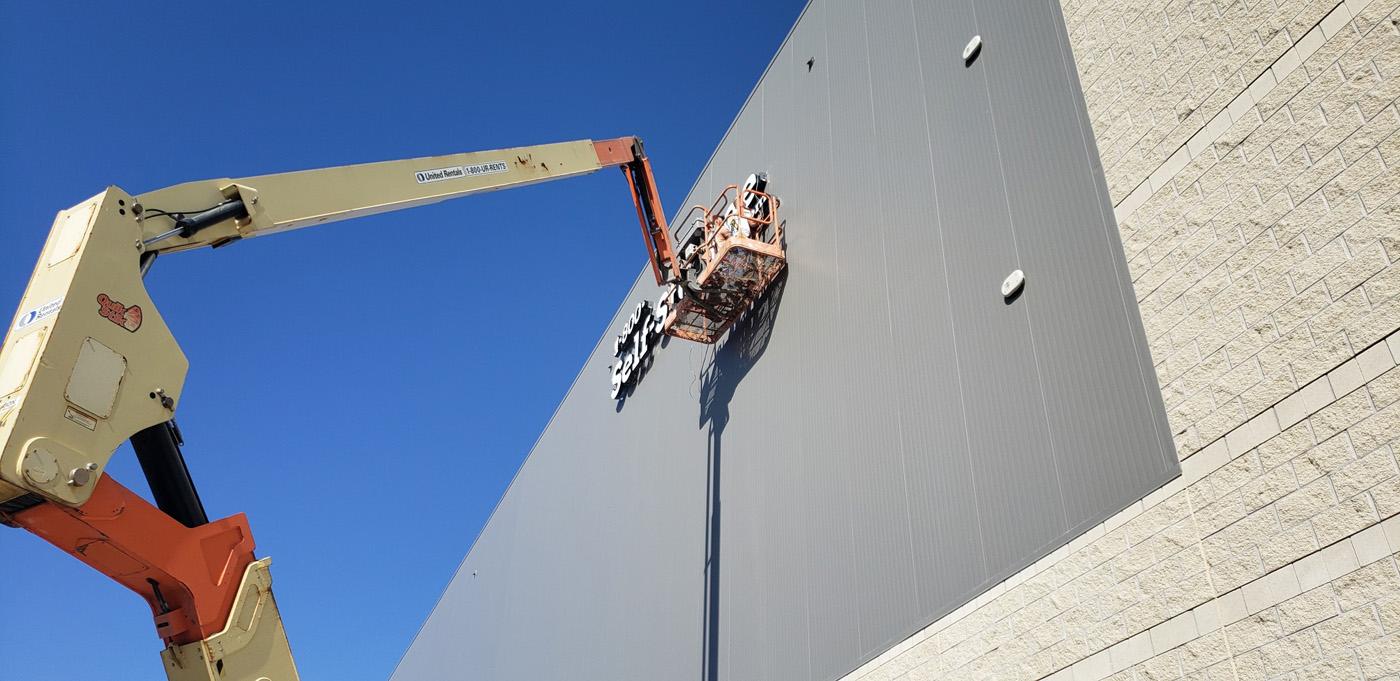
A well-designed sign only delivers its intended value when it is installed correctly. Signage Installation Melbourne involves much more than placing a logo on a wall. It includes selecting a suitable position, checking the building surface, choosing appropriate fixing hardware, managing access, and ensuring that the finished sign is secure and easy to see.
For businesses planning Signage Installation Melbourne, early preparation can make a significant difference. The type of property, sign dimensions, material, mounting height, weather exposure, electrical requirements, and customer movement all influence the installation method. Understanding these factors helps businesses avoid common mistakes and create signage that remains useful and presentable over time.
Planning the Installation Before Work Begins
The installation should be considered while the sign is still being designed. A sign's construction affects how it can be mounted, while the building affects which mounting methods are practical.
Identify the Main Purpose
First determine whether the sign is intended for business identification, advertising, navigation, safety information, or a combination of purposes.
A business name mounted above a shop entrance has different requirements from a directional sign in a large commercial complex.
Choose the Viewing Position
Think about how people approach the property. Pedestrians generally have more time to read a sign than motorists, while visitors entering an office building may need information at close range.
The sign should be placed where the intended audience has enough time and distance to recognise its message.
Inspect the Surroundings
Trees, awnings, balconies, light fittings, poles, other signs, and parked vehicles can obstruct visibility. These factors should be identified before the final location is approved.
Assessing Different Building Surfaces
The installation method depends heavily on what the sign will be attached to.
Brickwork
Brick walls can support many types of commercial signage when suitable anchors and fixings are selected. Older brickwork should be inspected for deterioration before drilling.
Concrete
Concrete can provide a strong mounting surface, but the correct anchors must be selected according to the sign and the condition of the structure.
Metal Cladding
Thin cladding may not provide enough support for a heavy sign on its own. In some cases, fixings need to connect to structural elements behind the outer surface.
Glass
Glass requires specialised approaches. Depending on the sign, suitable adhesive, clamps, or purpose-designed mounting systems may be used.
Timber
Timber surfaces can accommodate many signs, but their thickness, condition, and structural capacity should be checked before installation.
Types of Signage and Their Installation Needs
Individual Lettering
Three-dimensional letters are often installed one character at a time. The main challenge is accurate spacing.
A mounting template can help installers reproduce the approved design precisely. This is especially useful for logos with several individual elements.
Flat Panels
Panel signs are commonly attached to walls, fences, doors, and other surfaces. The fixing system needs to distribute the load appropriately and avoid unnecessary stress on the panel.
Projecting Signs
Projecting signs extend from the building and are designed to be visible from different directions. Their brackets need to be suitable for the sign's dimensions and environmental exposure.
Illuminated Signs
Illuminated signage adds electrical considerations to the installation. Wiring, power supplies, weather protection, access, and future maintenance all need to be considered.
Electrical connections should be completed by appropriately qualified personnel where required.
Freestanding Signs
Signs supported by posts or frames require careful consideration of the ground, support structure, sign dimensions, and location. Larger structures may require additional engineering or approval depending on the circumstances.
A Step-by-Step Installation Process
Site Inspection
The installer examines the proposed location, takes measurements, checks the surface, and identifies obstacles.
Access requirements are also considered at this stage.
Preparation
The surface may need cleaning, repairs, or removal of old signage. Existing brackets and electrical components may also need to be removed.
Marking
Before permanent fixing begins, the exact position is marked. Levels and measurements help establish the correct height and alignment.
Mounting
The selected fixings are installed and the sign is secured. Larger signs may require lifting equipment or multiple workers.
Final Checks
The completed sign is checked for stability, alignment, appearance, and visibility. Illuminated signs are tested to ensure the lighting functions correctly.
Practical Benefits of Correct Installation
Stronger First Impression
A sign that is level, correctly positioned, and neatly installed supports a professional presentation. Installation defects can remain noticeable even when the sign itself is well designed.
Better Customer Navigation
Clear directional signage can reduce confusion in offices, retail complexes, medical facilities, warehouses, and other properties where visitors may need guidance.
Reduced Maintenance Issues
Appropriate installation can help minimise loose fixings, movement, water entry, and other avoidable problems.
Improved Long-Term Value
A properly installed sign can remain functional and attractive for an extended period when suitable materials and mounting methods are used and routine maintenance is carried out.
Safety Considerations
Commercial signage installation can involve several safety risks.
Working at Height
High-level signs may require ladders, elevated work platforms, scaffolding, or other access equipment depending on the location. The appropriate approach should be determined by site conditions and applicable safety requirements.
Manual Handling
Large signs can be heavy or difficult to manoeuvre. Appropriate lifting and handling methods help protect workers and prevent damage to the sign.
Electrical Work
Illuminated signs can involve mains electricity and other electrical components. Installation and connection should be completed by qualified professionals where required.
Hidden Building Services
Before drilling, installers should consider concealed wiring, plumbing, and other infrastructure that may be located behind the surface.
Melbourne Installation and Approval Considerations
Businesses arranging Signage Installation Melbourne should check the requirements that apply to the specific property.
Signage controls can vary between local government areas. Requirements may depend on the sign's size, location, illumination, projection, and purpose.
Commercial tenants should also check whether the landlord or property manager has rules regarding external signage. Shopping centres and managed commercial buildings often have their own design and installation guidelines.
Where a building has heritage considerations or other planning controls, additional requirements may apply.
Common Challenges During Installation
Restricted Access
Busy retail strips and commercial properties may provide limited space for vehicles, equipment, and installers. Scheduling and access planning can therefore become important parts of the project.
Uneven Surfaces
Walls may not always be perfectly flat. Older buildings can have damaged masonry, previous fixing holes, or irregular cladding that needs preparation before installation.
Weather Conditions
Outdoor installation may be affected by rain and strong winds. Weather conditions can influence both safety and the practicality of working at height.
Replacement Projects
Replacing old signage can reveal problems that were not visible beforehand. Damaged walls, outdated wiring, corrosion, and unused mounting holes may require attention before the new sign is installed.
How Businesses Can Prepare
Good preparation starts with confirming the final sign dimensions and location.
Businesses should provide the installer with accurate site information and explain any restrictions involving trading hours, access, customer movement, loading areas, or building management.
It is also important to clarify what the quotation includes. Ask whether removal of existing signs, surface preparation, access equipment, electrical work, installation, testing, and waste removal are included.
Checking these details beforehand can reduce unexpected costs and scheduling problems.
Key Insights for Business Owners
The installation method should be considered before the sign is manufactured. This is particularly important for large signs, illuminated displays, projecting signs, and individual lettering.
Businesses should also plan for maintenance. Outdoor signs may need periodic cleaning and inspection, while illuminated displays can eventually require electrical or component repairs.
Choosing suitable materials is equally important. A material that works well indoors may not be appropriate for prolonged outdoor exposure.
Finally, the sign should be considered from the customer's perspective. Visibility, readability, height, positioning, and surrounding distractions all influence whether the sign performs its intended function.
Frequently Asked Questions
1. What is involved in signage installation?
The process can include site inspection, measurements, surface preparation, marking, mounting, electrical work where required, and final testing.
2. Can signage be installed on a leased commercial property?
It can often be installed with the property owner's permission, but businesses should check their lease and any building management requirements before making changes.
3. What affects the installation time?
Sign size, mounting method, building height, surface condition, access, preparation work, and electrical requirements can all affect the timeframe.
4. Does outdoor signage need special mounting hardware?
Outdoor signs may require hardware and fixing methods appropriate for weather exposure and the physical characteristics of the sign. The correct solution depends on the specific installation.
5. How can signage be kept in good condition?
Regular cleaning and visual inspection can help identify dirt, fading, corrosion, loose components, damage, and lighting faults. Problems should be addressed before they become more serious.
Conclusion
Reliable Signage Installation Melbourne requires careful consideration of the sign, property, mounting surface, location, safety requirements, and future maintenance. Installation is not simply the final step after design and manufacturing. It is an important part of ensuring that the sign performs properly once it reaches the building.
Businesses can improve the installation process by assessing the site early, confirming dimensions, selecting suitable fixing systems, checking relevant approval requirements, and planning access in advance. Whether the project involves illuminated lettering, shopfront panels, directional signs, or large exterior displays, thoughtful installation helps create signage that is secure, functional, visible, and professionally presented.

 Arabic
 French
 Spanish
 Portuguese
 Deutsch
 Turkish
 Dutch
Dutch
 Italiano
 Russian
 Romaian
 Portuguese (Brazil)
 Greek
Greek
 Bengali