


Vintage Home Decor Shopping Guide: Where to Find Authentic Pieces and How to Style Them
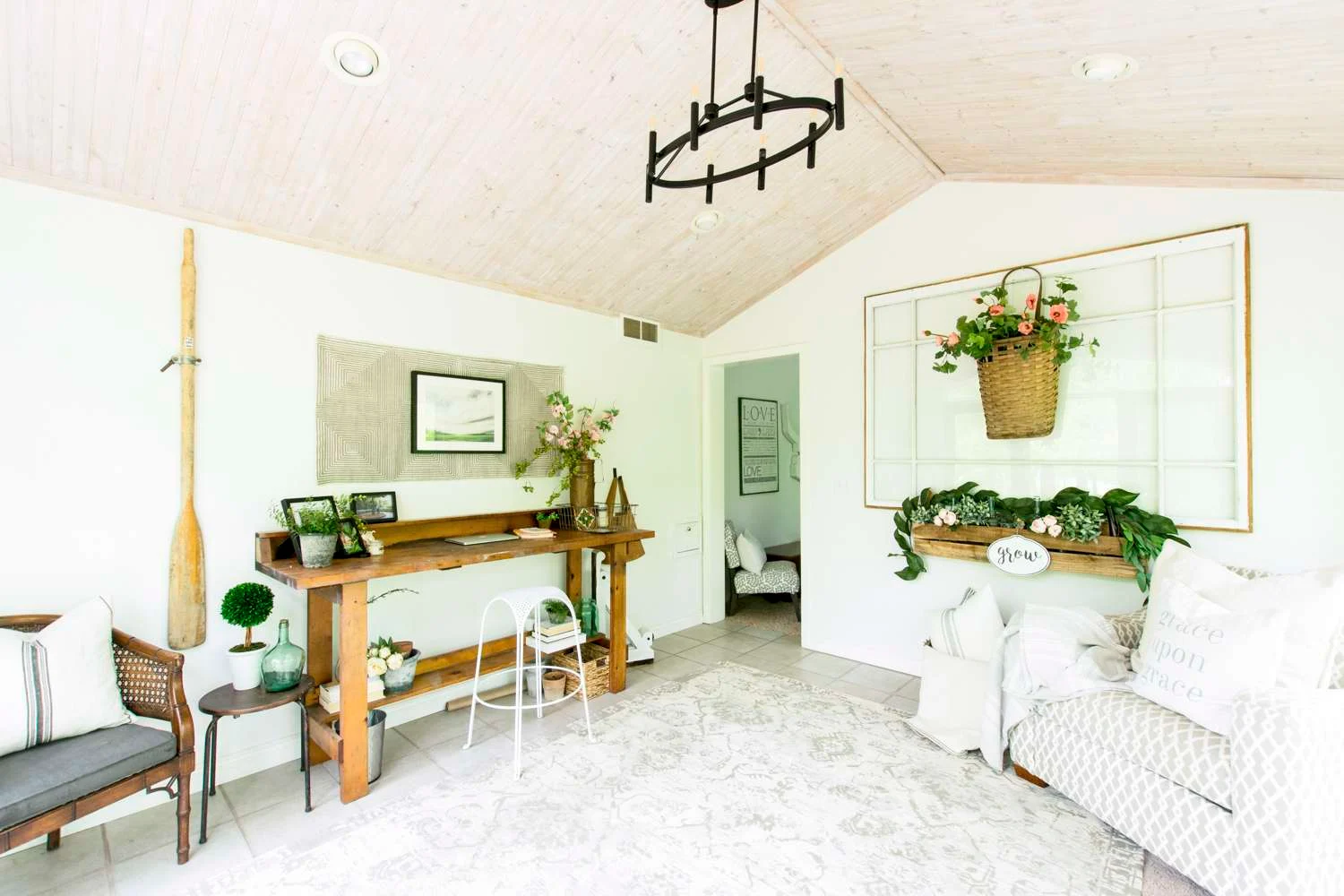
Vintage decorating has a special appeal because older furnishings often bring character, craftsmanship, and individuality that can be difficult to reproduce with mass-produced pieces. A well-chosen chair, cabinet, mirror, lamp, or table can give a room a sense of history while adding warmth to a contemporary interior. However, shopping for vintage home decor requires more attention than simply choosing something that looks old. Understanding materials, construction, condition, provenance, and design periods can help you make confident purchasing decisions.
Authentic vintage pieces can also vary significantly in quality and value. Some have been carefully preserved, while others have been refinished, repaired, or modified over the years. A beautiful appearance does not necessarily guarantee good construction or authenticity, so buyers should inspect furniture carefully before committing to a purchase. Whether you are furnishing an entire home or adding a few distinctive accents, a thoughtful approach can help you find pieces that are attractive, functional, and suitable for your space.
Understand What Makes Decor Truly Vintage
The first step in shopping for vintage home decor is understanding what you are actually buying. Vintage generally refers to items associated with an earlier period that have developed recognizable historical or stylistic characteristics. This is different from a modern reproduction, which is newly manufactured to imitate an older design. Antique pieces are generally older still, although terminology can vary depending on the furniture market and the type of object being discussed.
Age alone should not be the only consideration when evaluating a vintage item. Design characteristics, materials, manufacturing techniques, condition, originality, and documented history can all provide useful information. Look for details that are consistent with the period, such as hardware styles, joinery, finishes, upholstery techniques, and material choices. Learning these characteristics gradually can make it easier to recognize genuine period pieces and distinguish them from intentionally distressed reproductions.
Where to Look for Authentic Vintage Pieces
There are several places where shoppers can search for vintage furniture and decorative objects. Estate sales, antique markets, specialist furniture dealers, auctions, architectural salvage stores, and carefully selected secondhand shops can all provide opportunities to discover older pieces. Online marketplaces can also offer a broad selection, but photographs may not reveal structural problems, refinishing, or alterations. Whenever possible, examine important furniture in person before making a substantial purchase.
Specialist dealers can be particularly useful when you are looking for recognizable designers or specific historical periods. Experienced sellers may be able to explain a piece's manufacturer, construction, restoration history, and provenance. However, buyers should still conduct their own research rather than relying entirely on a seller's description. Comparing measurements, labels, materials, construction details, and documented examples can provide additional confidence before completing a purchase.
How to Inspect Furniture Before Buying
A careful physical inspection can reveal information that photographs often hide. Check tables and chairs for movement, cracks, loose joints, uneven legs, damaged veneers, water stains, and signs of previous repairs. Open drawers and cabinet doors to inspect the interior construction and hardware. If upholstery is involved, examine seams, cushions, fabric condition, and the frame underneath whenever the construction allows it.
Do not automatically reject normal signs of age. Minor scratches, fading, patina, and surface variations can contribute to the character of older furniture. Structural damage, unstable frames, severe moisture problems, or extensive wood deterioration are different concerns that may require professional restoration. Ask whether a piece has been refinished, reupholstered, repaired, or modified, because these changes can affect both its appearance and historical originality.
Research Vintage Designer Furniture Carefully
Shopping for vintage designer furniture requires additional research because names associated with important design movements can significantly affect a piece's desirability and value. Before purchasing, investigate the designer, manufacturer, production period, known models, dimensions, materials, and identifying marks. Labels, stamps, serial numbers, and construction details can sometimes help establish whether an item corresponds with documented examples. A distinctive shape alone is rarely enough to confirm attribution.
Provenance can provide another useful layer of evidence. Original receipts, catalogs, photographs, dealer records, previous ownership information, or other documentation may help establish a piece's history. Not every authentic vintage item will have extensive paperwork, so missing documentation does not automatically mean an item is fake. For expensive or particularly rare furniture, professional authentication or appraisal may be worthwhile before making a major financial commitment.
Style Vintage Pieces With Modern Furniture
Vintage furniture does not need to be surrounded by other old objects. In fact, combining vintage pieces with contemporary furniture can create a more balanced and livable interior. A vintage cabinet can work beautifully with a modern sofa, while an older dining table can be paired with contemporary lighting and simple chairs. This contrast allows the character of the older furniture to stand out without making the entire room feel like a historical recreation.
Start with one or two distinctive pieces and build the room around them. If a vintage cabinet has warm walnut tones, repeat that warmth through a picture frame, side table, or decorative object elsewhere in the space. If an older chair has a strong color or pattern, use smaller accessories to subtly connect it with the rest of the room. Repetition creates cohesion while still allowing different periods and styles to coexist.
Use Color, Texture, and Accessories Thoughtfully
Vintage interiors often benefit from layers of texture because older furniture can provide a naturally rich visual foundation. Wood grain, aged leather, woven fabrics, ceramics, brass, glass, and natural fibers can all contribute to a collected appearance. Rather than introducing every material at once, choose a few complementary textures and repeat them throughout the room. This creates depth while keeping the design visually organized.
Color can also help connect vintage and contemporary pieces. Earthy greens, warm browns, cream, muted blue, terracotta, mustard, and burgundy can complement many older furniture styles, but the ideal palette depends on the period and individual piece. If your vintage furniture already has a strong finish or pattern, neutral walls and textiles can give it room to stand out. Conversely, simpler furniture can provide a foundation for more expressive artwork and accessories.
Accessories should be selected with the same level of care as larger furniture. Vintage mirrors, lamps, clocks, books, ceramics, artwork, and decorative boxes can add personality without requiring major changes to the room. Avoid filling every shelf or tabletop simply because there is available space. Leaving areas of visual breathing room makes individual objects easier to appreciate and prevents the room from appearing cluttered.
Consider Restoration, Maintenance, and Long-Term Value
Restoration can bring damaged vintage furniture back into useful condition, but it should be approached carefully. Refinishing, replacing hardware, changing upholstery, or repairing structural components may improve functionality while also changing some of the item's original characteristics. For ordinary decorative furniture, practical restoration may be perfectly reasonable. For historically important or collectible pieces, consult an experienced professional before making irreversible alterations.
Maintenance requirements should also influence your purchase. Older wood furniture may need appropriate cleaning and protection, while vintage upholstery may require specialized care. Keep furniture away from excessive moisture, direct heat, and prolonged harsh sunlight when possible. Use cleaning products suitable for the specific material rather than applying a general household cleaner that could damage an aged finish.
Build a Vintage Collection With Purpose
The most successful vintage interiors usually develop gradually rather than being assembled all at once. Take time to learn which periods, materials, designers, and furniture forms appeal to you before spending heavily. A small collection of carefully selected pieces can have more impact than a room filled with unrelated objects. Consider how each purchase will function, where it will be placed, and whether it complements what you already own.
Budgeting is equally important because vintage shopping can involve unexpected restoration or transportation costs. Compare condition and construction rather than assuming the highest-priced piece is automatically the best option. If you are interested in vintage designer furniture, allow extra time for research and verification before purchasing. Patience can help you avoid impulse purchases and increase the likelihood that each addition will remain useful and enjoyable for years.
Create a Home With Character and Balance
Vintage home decor works particularly well when historical character is balanced with contemporary comfort. Authentic furniture can add individuality, while modern pieces can provide ergonomic support, practical storage, and everyday convenience. You do not need to follow a strict decorating period to create a convincing vintage-inspired interior. Instead, focus on proportion, material relationships, color, texture, and the personal significance of the objects you choose.
A thoughtful shopping process makes vintage decorating more rewarding. Research the history of pieces, inspect their condition, ask questions about restoration, and verify important claims before making expensive purchases. Once the right pieces are in your home, allow them enough space to be appreciated rather than hiding them among excessive accessories. With patience and careful styling, vintage home decor can create an interior that feels authentic, welcoming, distinctive, and connected to the past while remaining comfortable for modern life.

 English
 Arabic
 French
 Spanish
 Deutsch
 Turkish
 Dutch
Dutch
 Italiano
 Russian
 Romaian
 Portuguese (Brazil)
 Greek
Greek
 Bengali