


Milky Pool Water? Here's How to Fix Cloudy Pool Water Fast
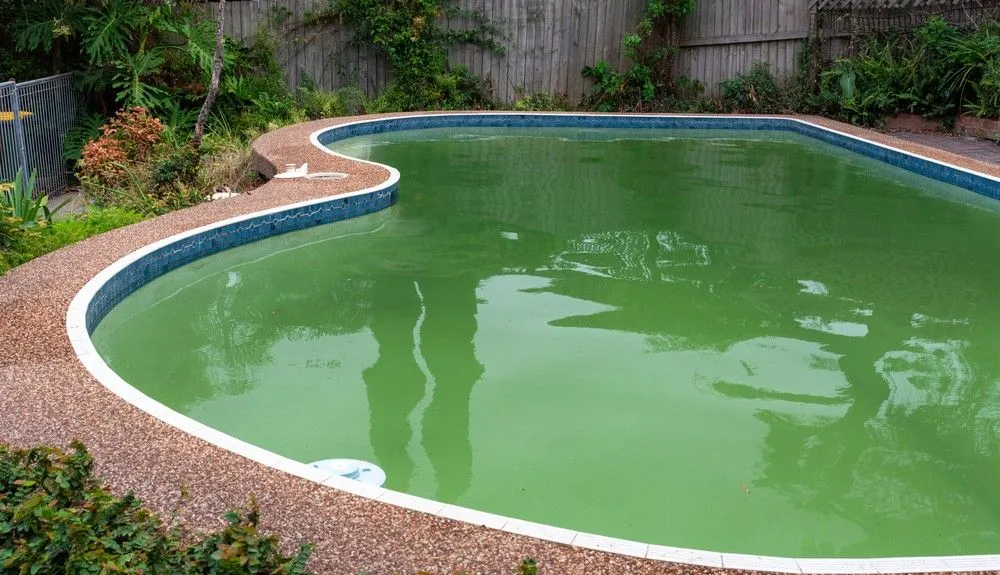
Milky pool water can quickly turn a refreshing swimming pool into a frustrating maintenance problem. Instead of clear, inviting water, the pool may look white, hazy, or almost foggy from the surface. This condition is usually a sign that something is affecting water balance, filtration, circulation, or sanitation. Finding the underlying cause is important because simply adding more chemicals without testing can make the situation worse.
Cloudy water can develop gradually or appear suddenly after heavy swimming, rainfall, chemical treatment, or equipment problems. In some cases, the issue is relatively simple, such as an incorrect pH level or insufficient filtration. In other situations, poor circulation or an aging filter medium may be responsible. A systematic approach that starts with water testing can help identify the problem and restore clarity more efficiently.
What Causes Milky Pool Water?
High pH, improper alkalinity, insufficient sanitizer, excessive debris, suspended particles, and inadequate filtration can all contribute to cloudy water. Milky pool water can have several different causes, which is why there is no single treatment that works for every pool. Heavy swimmer activity can also introduce oils, lotions, dirt, and other contaminants that place additional demand on the pool's sanitation system.
Water balance should be one of the first areas to investigate. If pH or total alkalinity is outside the appropriate range, the water may become cloudy and chemicals may not perform as effectively as expected. Testing the water provides useful information before making adjustments. Rather than adding several products at once, correct confirmed problems methodically and allow the filtration system to circulate the water.
Test Your Pool Water Before Treating It
Testing is an essential first step when dealing with cloudy pool water. Check the major chemistry indicators recommended for your pool, including pH, sanitizer levels, and total alkalinity. Depending on the pool system and maintenance routine, additional testing may also be useful. Accurate results help determine whether the cloudiness is caused by water chemistry or whether attention should shift toward filtration and circulation.
Avoid trying to judge chemical balance by appearance alone. Clear-looking water does not necessarily mean the chemistry is properly balanced, while cloudy water does not automatically indicate a sanitation problem. Use a reliable testing method and compare the results with the recommended ranges for your pool and products. Once the results are known, make measured adjustments according to manufacturer instructions and retest after circulation.
Improve Filtration and Water Circulation
A properly operating filtration system is essential for removing tiny particles that make pool water appear milky. Run the filter according to your pool's maintenance needs and make sure water is circulating through the system effectively. Check that skimmer baskets and pump baskets are not excessively full of leaves or debris. Restricted flow can reduce the system's ability to capture suspended particles.
Pool owners should also inspect the filter pressure and equipment for signs of abnormal operation. A pressure reading that differs significantly from the system's normal operating pattern may indicate that the filter needs attention. Cleaning or backwashing should be performed according to the type of filtration system and the manufacturer's instructions. If circulation remains poor after routine maintenance, the pump, valves, plumbing, or filter may need professional inspection.
When to Change the Sand in a Pool Filter
Sand does not necessarily need to be replaced simply because it has been in the filter for a particular number of years. Many pool owners eventually ask when to change the sand in pool filter systems because older filter media can affect filtration performance. The appropriate timing depends on the filter manufacturer's guidance, maintenance history, water conditions, and the filter's ability to remove particles effectively.
Signs of declining filter performance can include persistent cloudiness, unusual pressure behavior, repeated problems despite proper water chemistry, or sand becoming compacted or degraded. However, cloudy water alone does not prove that the filter sand needs replacement. Water chemistry and circulation should be checked first. If the filter is maintained correctly but continues to perform poorly, a pool professional can assess whether replacing the media is appropriate.
Clean or Backwash the Filter Properly
A dirty filter can contribute to cloudy water because accumulated debris may restrict water flow and reduce filtration efficiency. Sand filters typically require backwashing when the pressure rises above the system's normal clean operating pressure, following the manufacturer's recommendations. Cartridge and other filter types require different cleaning procedures, so homeowners should not apply sand-filter instructions to every filtration system.
Regular maintenance is more effective when it follows the equipment manufacturer's specifications. Backwashing too frequently can waste water and may reduce filtration efficiency in some systems, while neglecting necessary cleaning can restrict circulation. After cleaning, confirm that the system is operating normally and monitor pressure during circulation. If cloudy water remains after proper filtration maintenance, continue investigating other potential causes instead of repeatedly cleaning the filter.
Address Sanitation and Contaminants
Cloudy or milky water can sometimes occur when sanitizer levels are insufficient to control organic contaminants. Heavy pool use, hot weather, debris, and other factors can increase the demand placed on the sanitation system. When testing confirms a sanitation issue, follow the instructions for the specific pool sanitizer being used. Avoid randomly increasing chemical quantities, especially when the cause of the problem has not been identified.
Visible contaminants can also enter the pool through swimmers and the surrounding environment. Showering before swimming, keeping the pool covered when appropriate, removing debris promptly, and maintaining circulation can reduce the amount of material entering the water. Regular maintenance also helps prevent small problems from becoming persistent water-quality issues. If cloudy water develops repeatedly despite proper sanitation and filtration, professional water testing may reveal an overlooked cause.
Check for Equipment and Maintenance Problems
If milky pool water continues after chemistry and filtration have been addressed, inspect the broader circulation system. A pump that is not operating correctly, a blocked skimmer, an incorrect valve position, or inadequate circulation can prevent the filter from receiving and treating enough water. Air entering the circulation system may also indicate an equipment or plumbing issue that deserves attention.
Pool surfaces and components should also be examined as part of a complete maintenance routine. Scale, residue, algae, and other buildup can contribute to water-quality problems or indicate that chemistry has been poorly controlled. Persistent problems are easier to resolve when maintenance records are available. Recording water readings, filter pressure, cleaning dates, and chemical adjustments can help identify patterns and provide useful information to a pool professional.
Prevent Cloudy Pool Water in the Future
Preventing cloudy water is generally easier than repeatedly trying to correct it. Test pool chemistry on a consistent schedule and make adjustments based on actual readings rather than appearance. Keep the filtration system maintained, monitor pressure, remove debris, and maintain appropriate circulation. Regular brushing and cleaning can also prevent contaminants from accumulating on pool surfaces and entering the water.
A consistent maintenance routine should also account for changes in pool usage and environmental conditions. A pool that receives frequent swimming may require more attention than one used occasionally. Storms, heavy rainfall, high temperatures, and landscaping debris can also affect water quality. By responding to these changes promptly and maintaining equipment according to manufacturer recommendations, homeowners can reduce the likelihood of persistent cloudiness.
Restore Clear Water with a Systematic Approach
Milky pool water is often a sign that the pool needs attention, but the solution depends on the underlying cause. Start by testing the water, then evaluate filtration, circulation, sanitation, and equipment condition. Avoid adding multiple chemicals without knowing what the water actually needs. A measured approach helps prevent unnecessary chemical adjustments and makes it easier to identify the source of the cloudiness.
When considering when to change the sand in pool filter systems, remember that filter performance and manufacturer recommendations matter more than a fixed replacement schedule. Persistent cloudiness despite balanced chemistry and proper filtration may justify a professional inspection. With consistent testing, proper equipment care, and regular cleaning, pool owners can maintain clearer water and reduce the chances of milky conditions returning.

 English
 Arabic
 French
 Spanish
 Portuguese
 Deutsch
 Turkish
 Dutch
Dutch
 Italiano
 Russian
 Portuguese (Brazil)
 Greek
Greek
 Bengali